Gallery Coffee Origin Trip: Villatoros in Guatemala (Part III)
This origin trip to the Villatoro family coffee farms in Guatemala gave us a firsthand look at where our coffee comes from, the people behind it, and the relationships that shape how we source coffee at Gallery.
In this final chapter, we headed out for a tour of the Villatoro family’s primary residence in Hoja Blanca, then made the journey back to Guatemala City for the tour of a new dry mill – the final step in processing coffee before export.
HOJA BLANCA: A CITY OF VILLATOROS
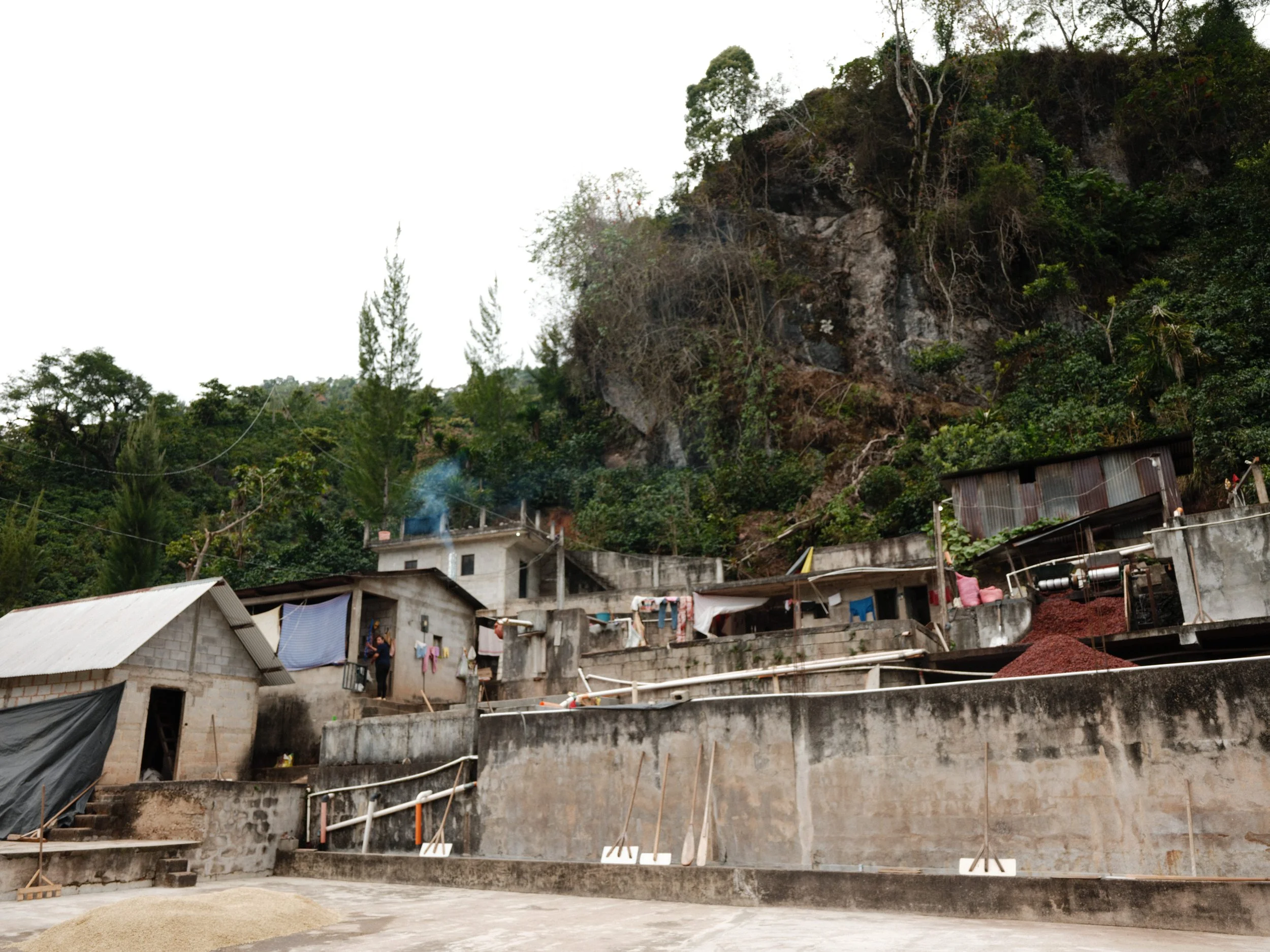
Translating to “blank page,” Hoja Blanca was exactly that for the Villatoro family. Three generations ago, this piece of mountainside was nothing but an empty plot of land. Now a sprawling city, filled with Villatoro kin, Hoja Blanca has a life all of its own.
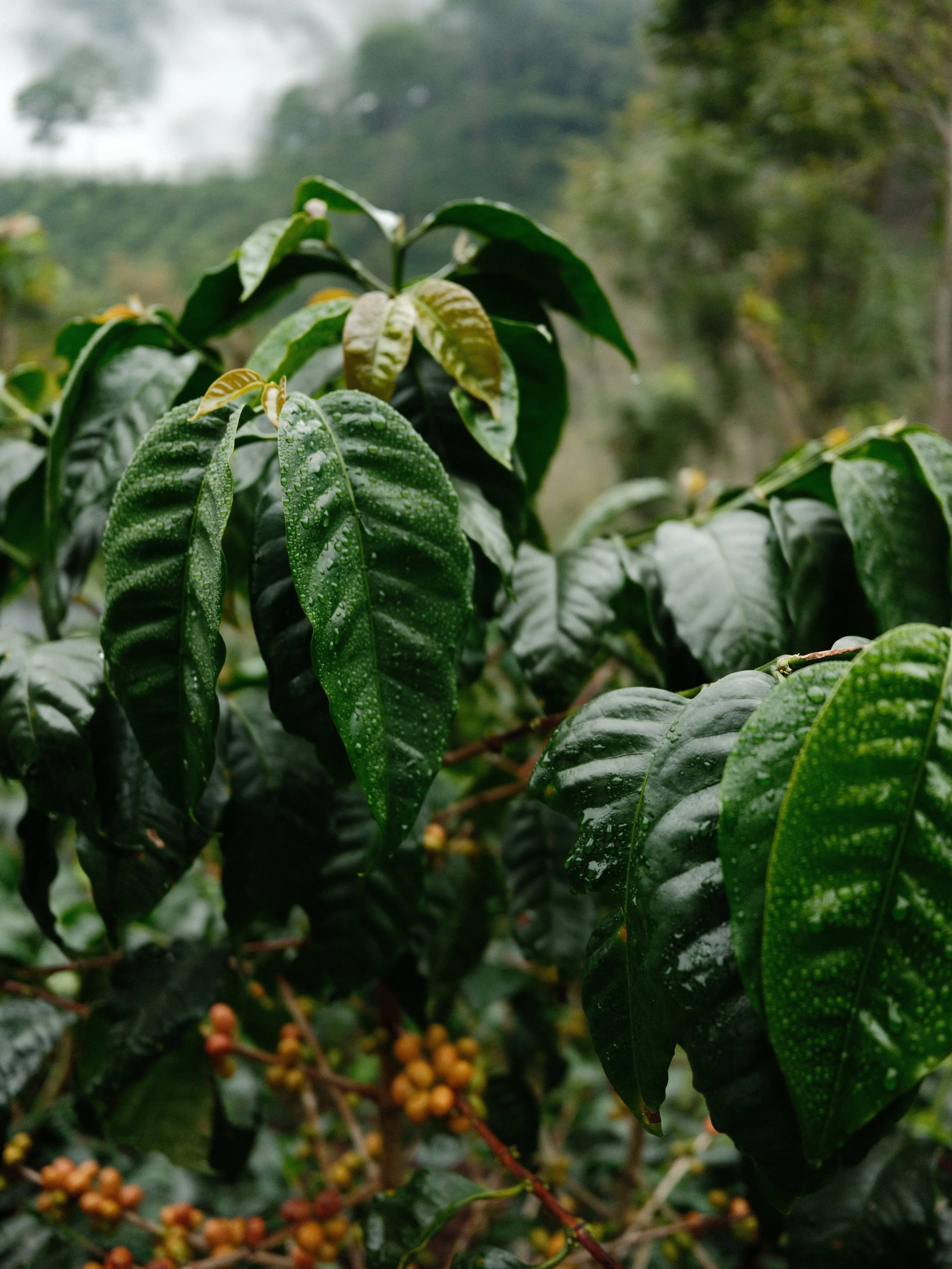
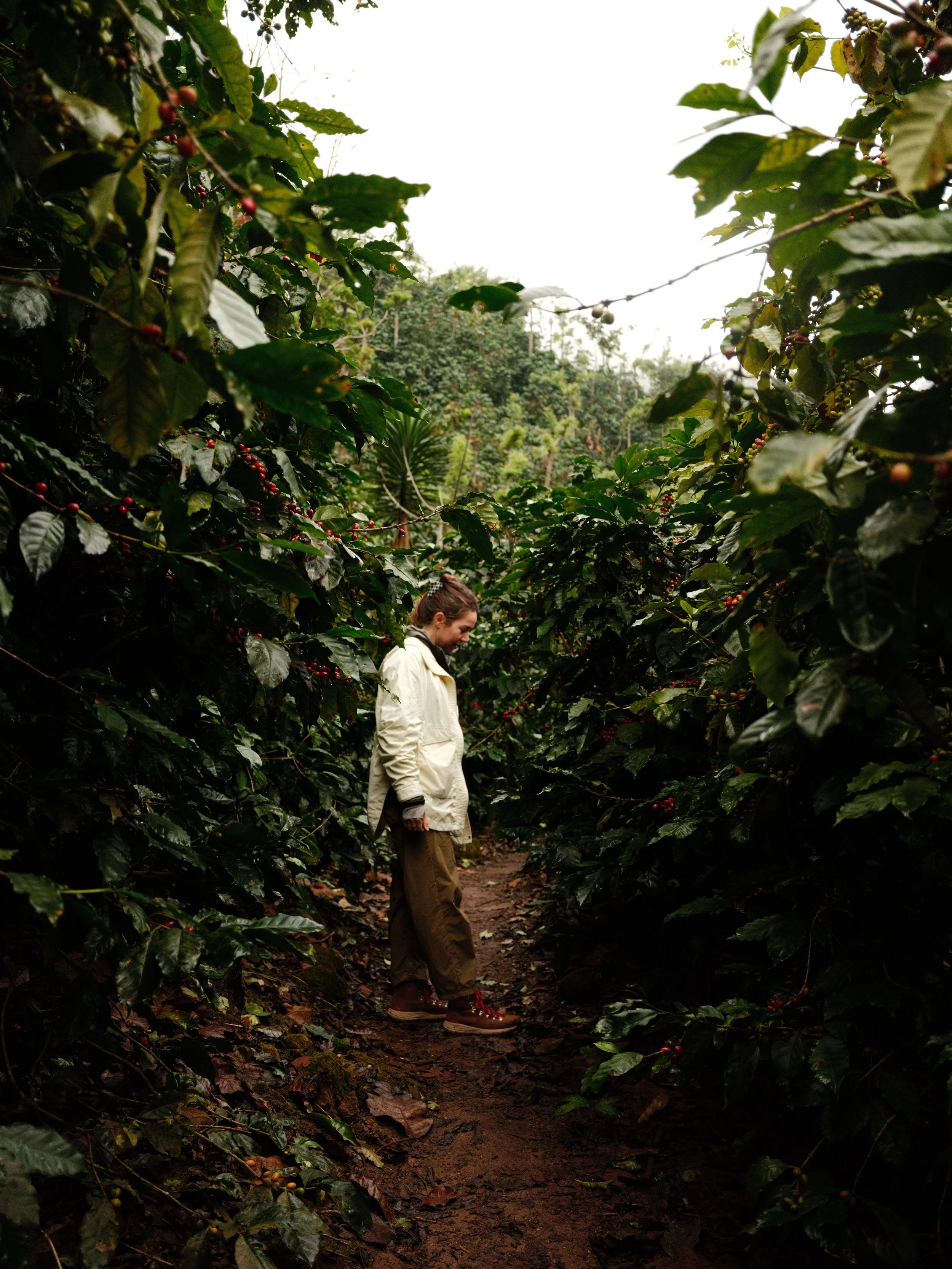
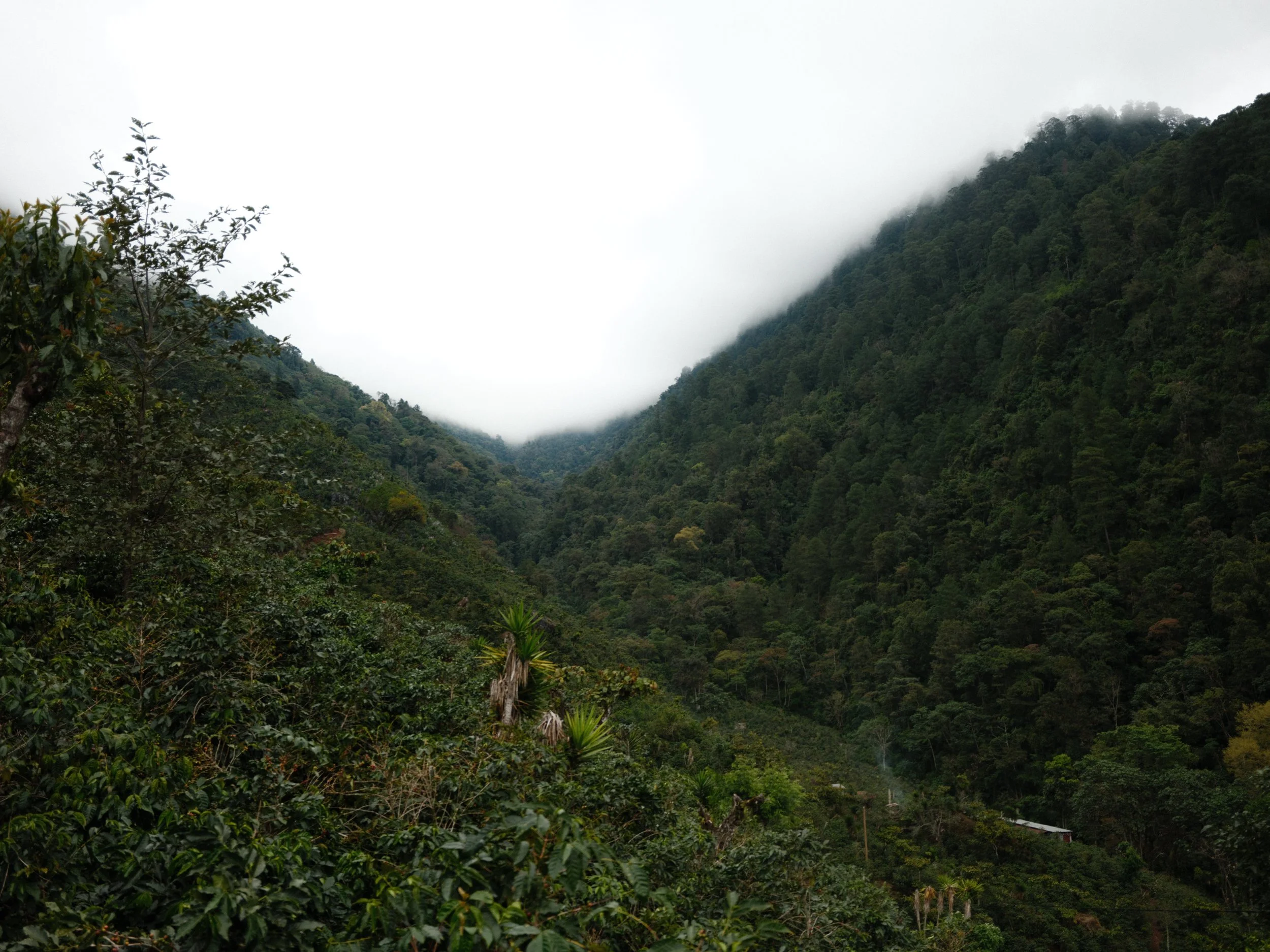
About an hour’s drive from Punta Del Cerro, the journey to Hoja Blanca winds through steep, single-lane roads wrapped in dense, coffee-covered jungle
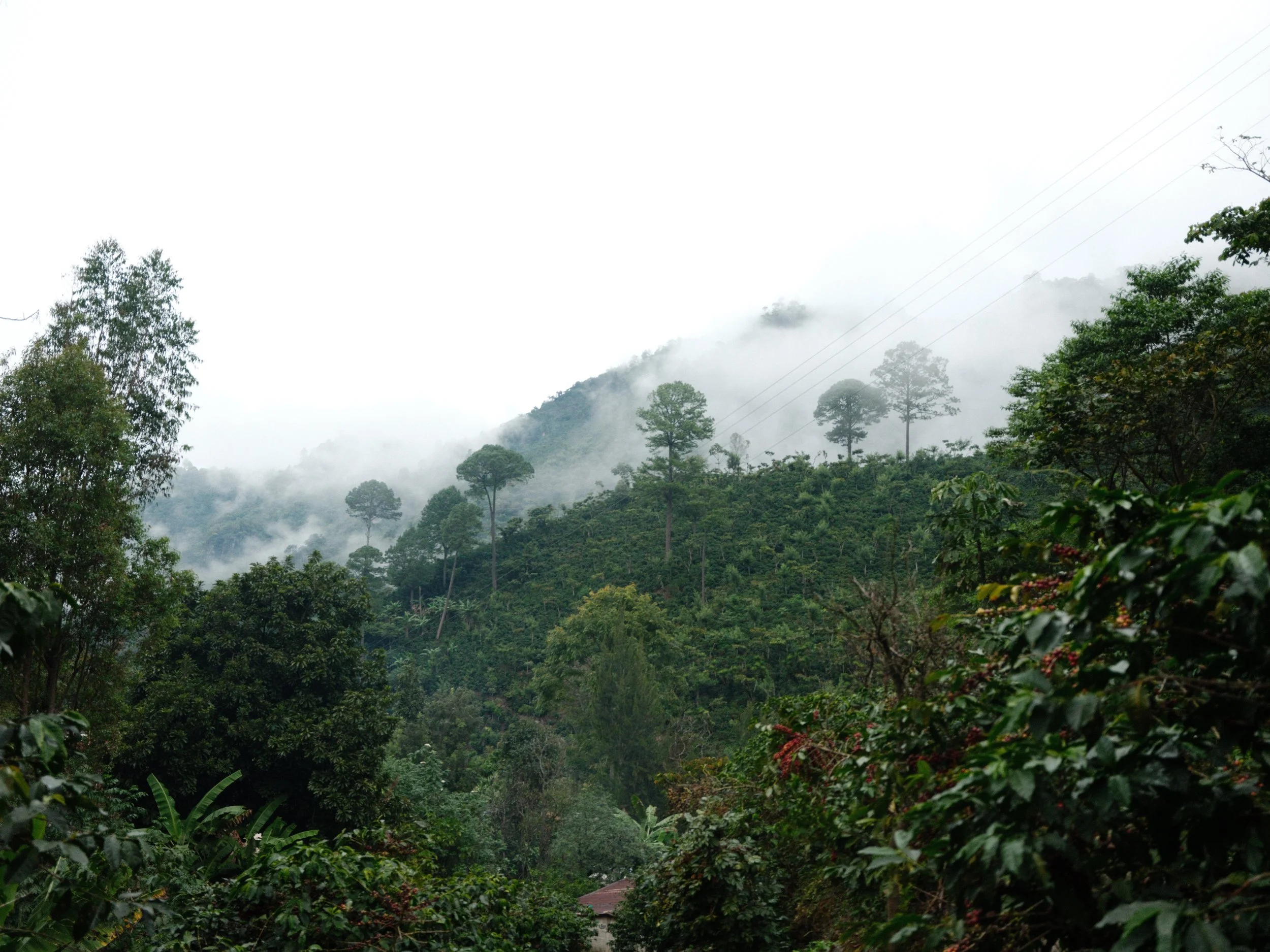
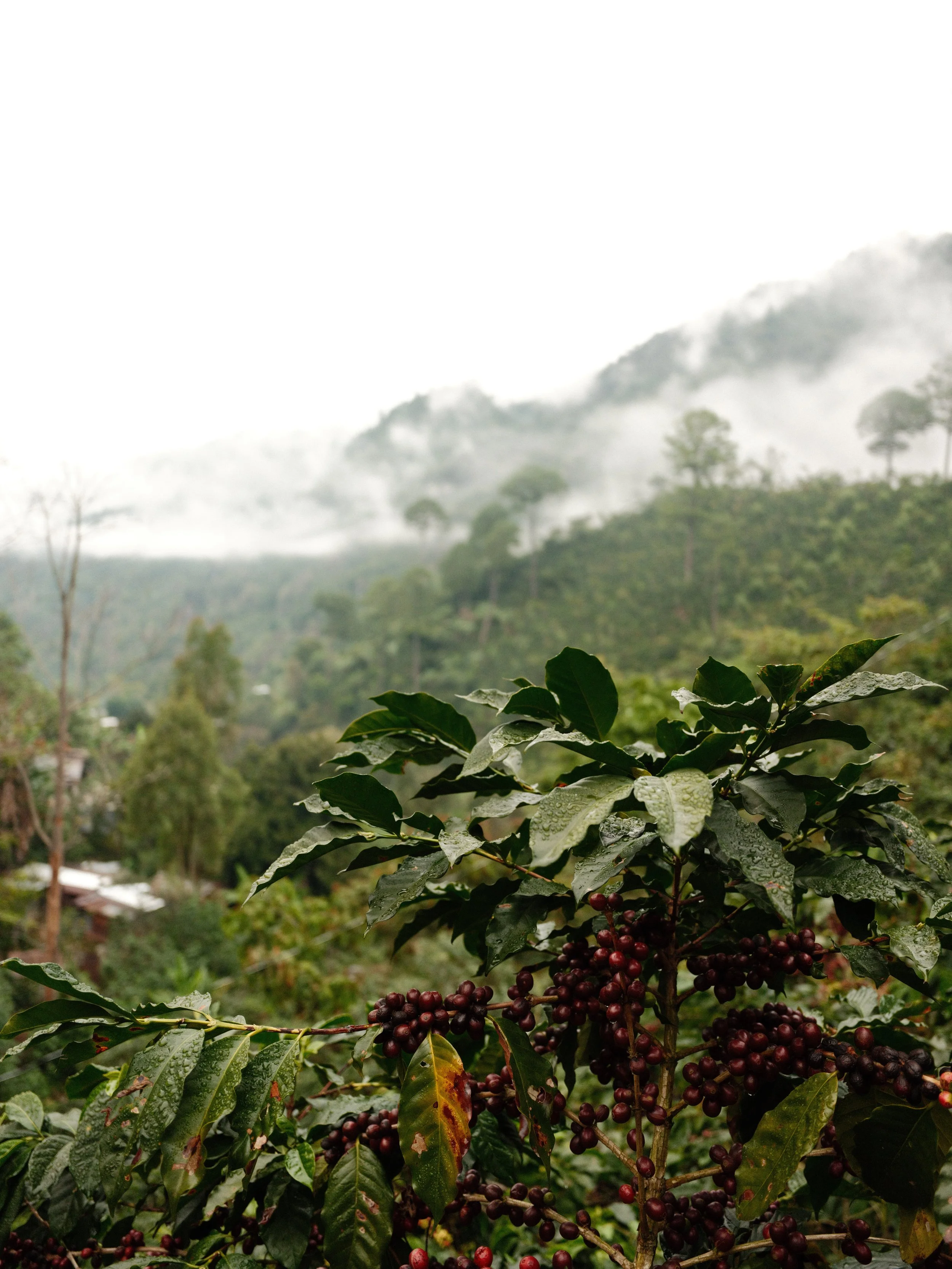
Aurelio Villatoro’s father started the family coffee farming business in Hoja Blanca and eventually passed the farms down to his seven sons – who are now beginning to pass farms down to their own children. This entire town is filled with family. Aurelio’s wife, Araceli Martinez de Villatoro’s, father lives just across the street.
Complete with a school, market, and housing for workers, this small town has everything it needs to support the families living and working within.
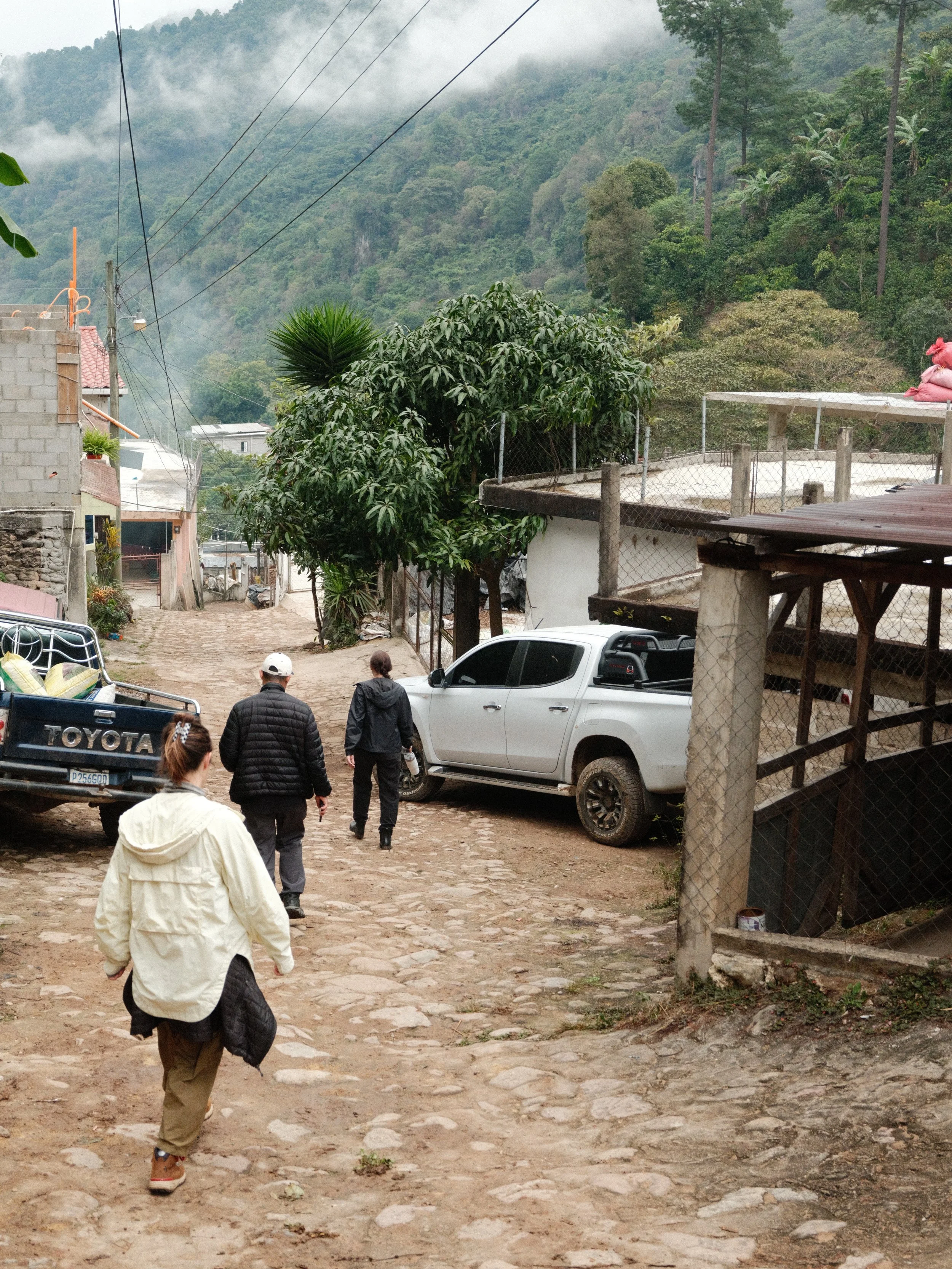
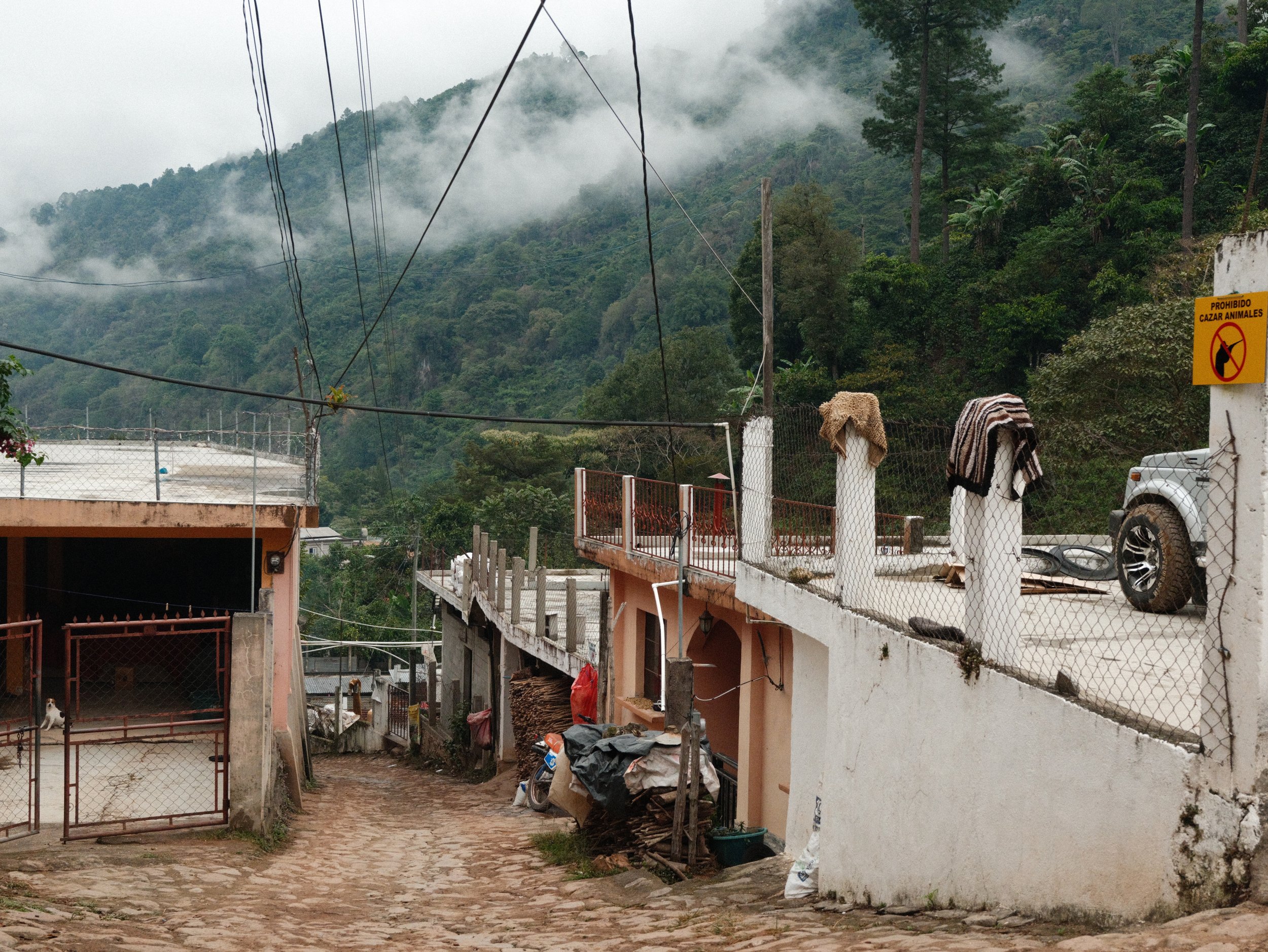
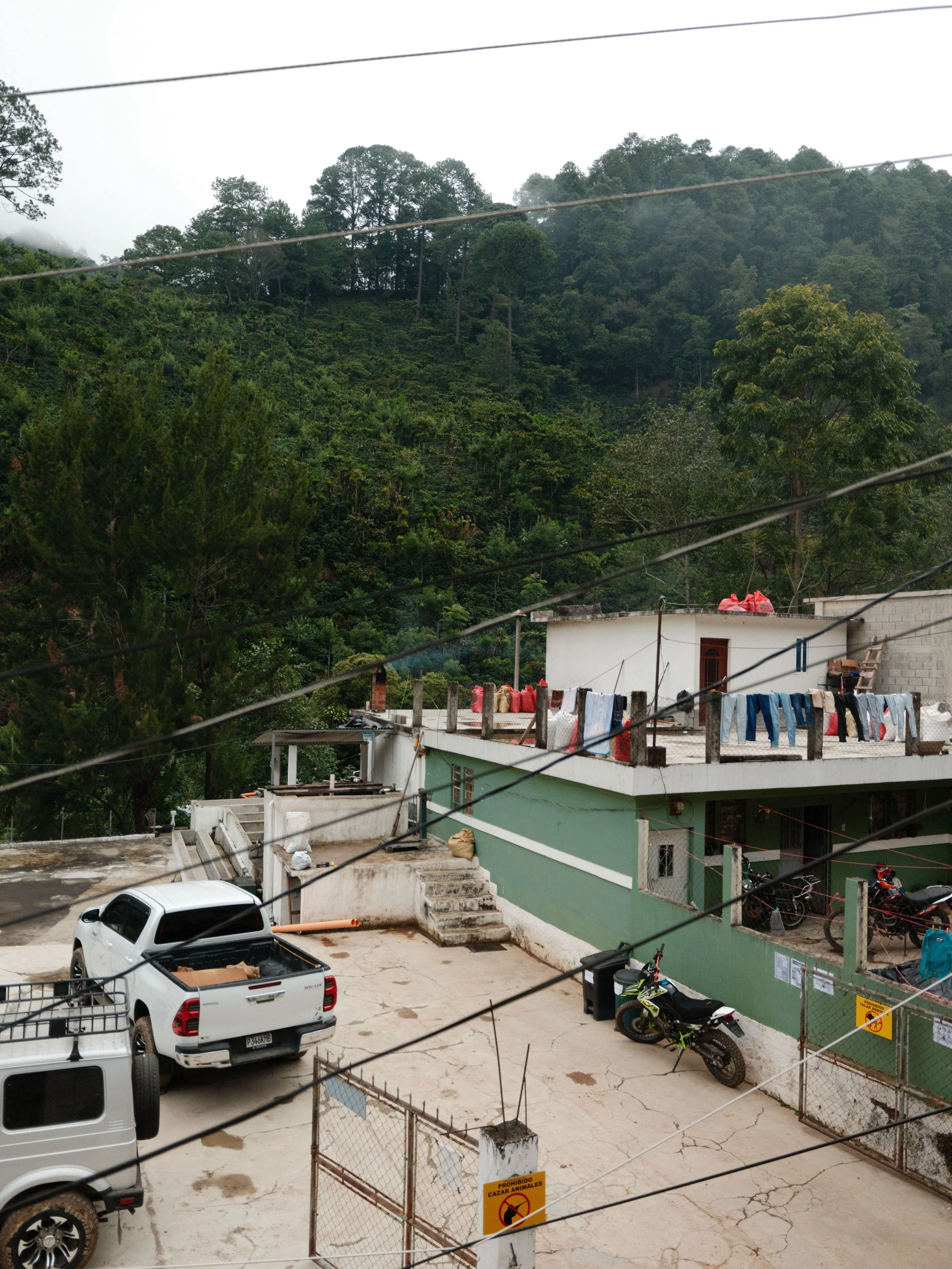
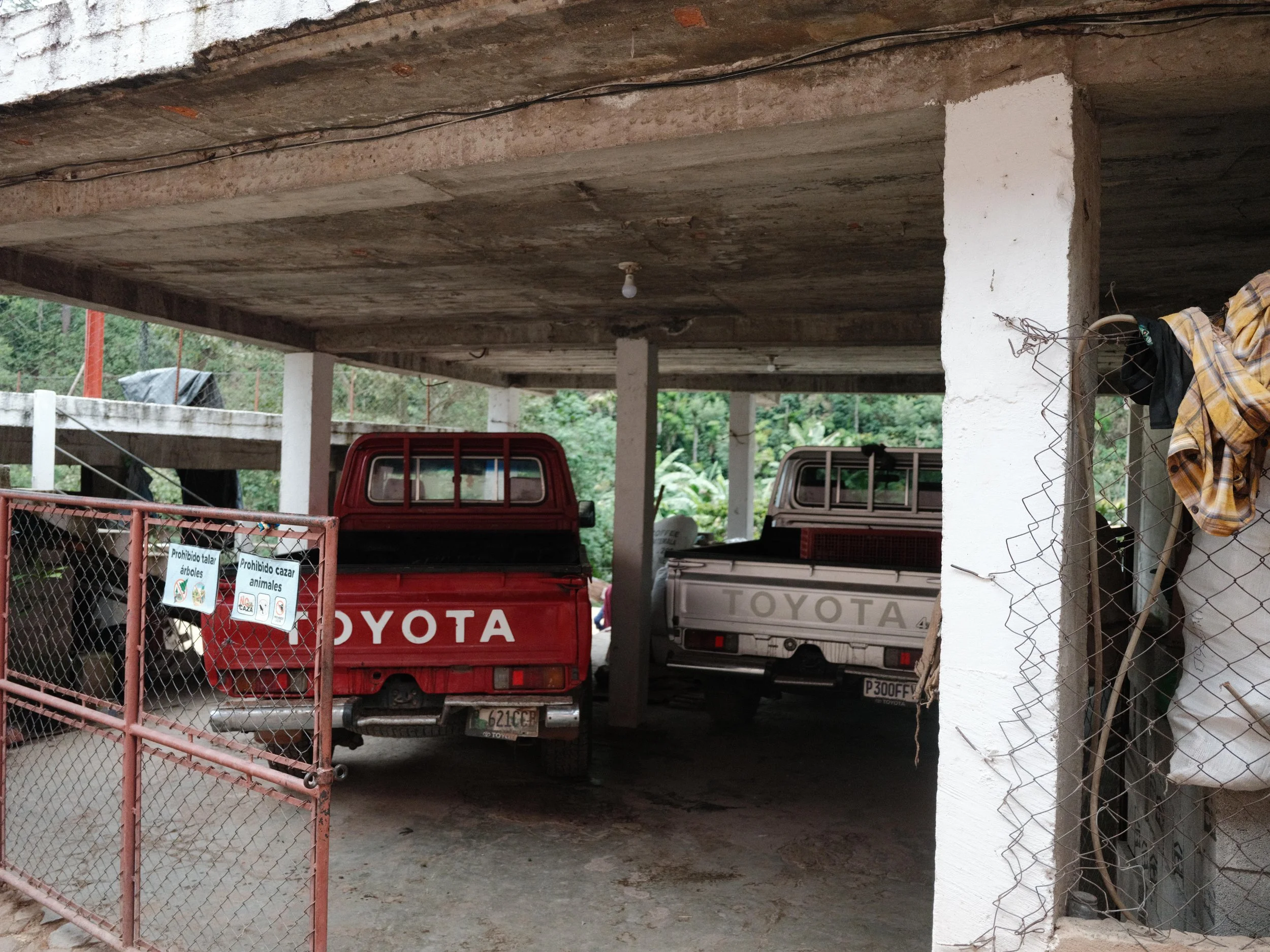
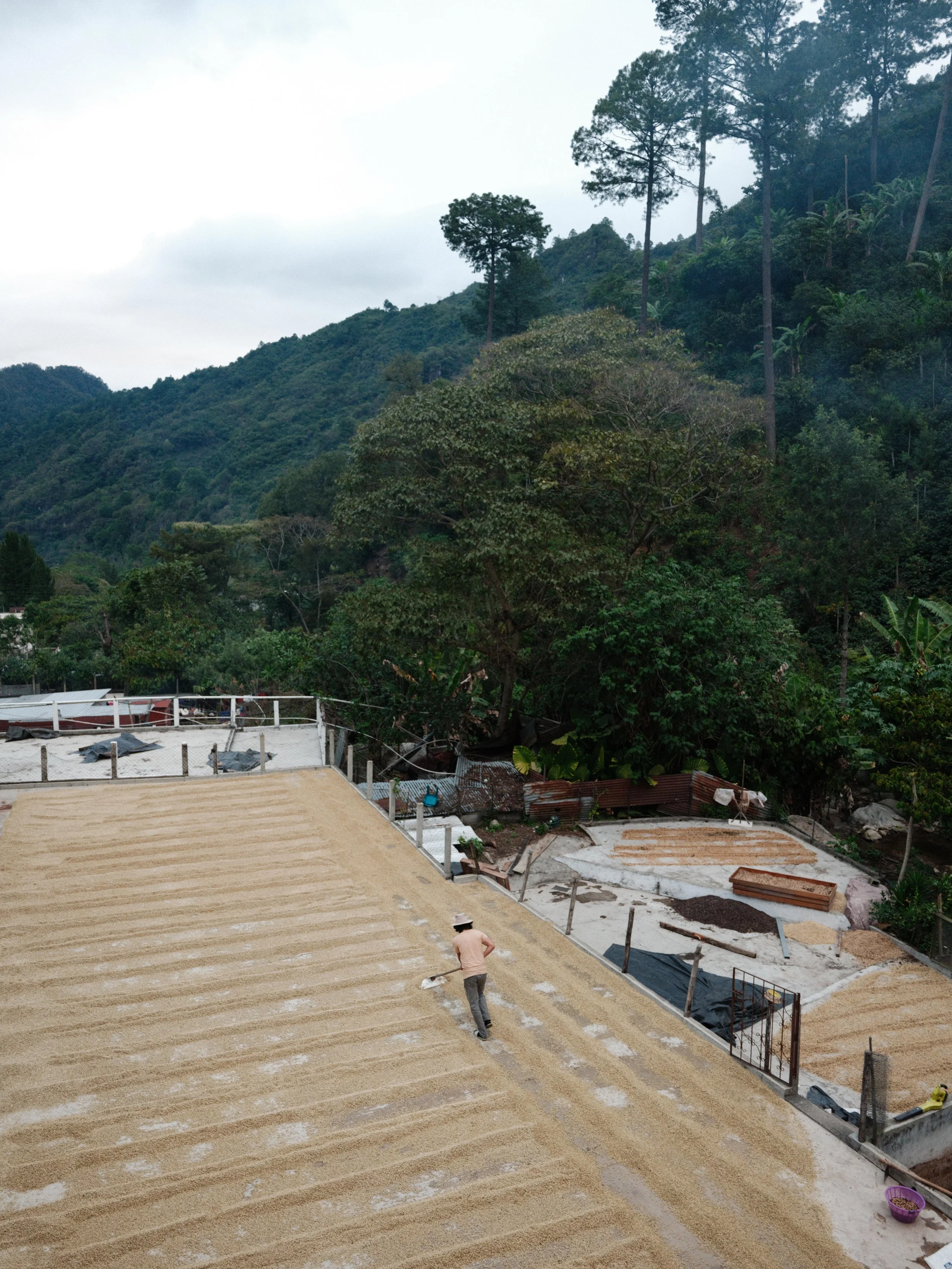
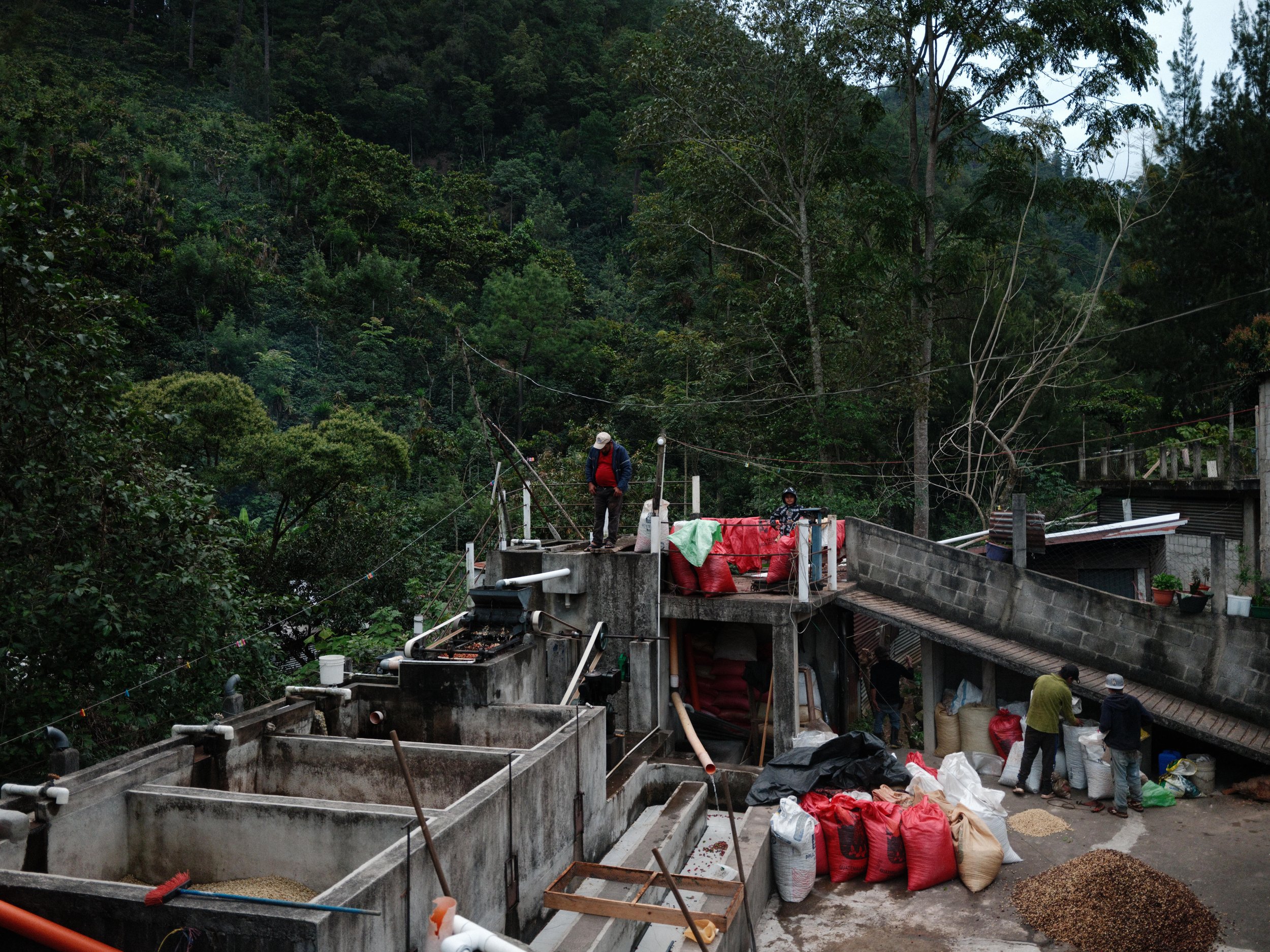
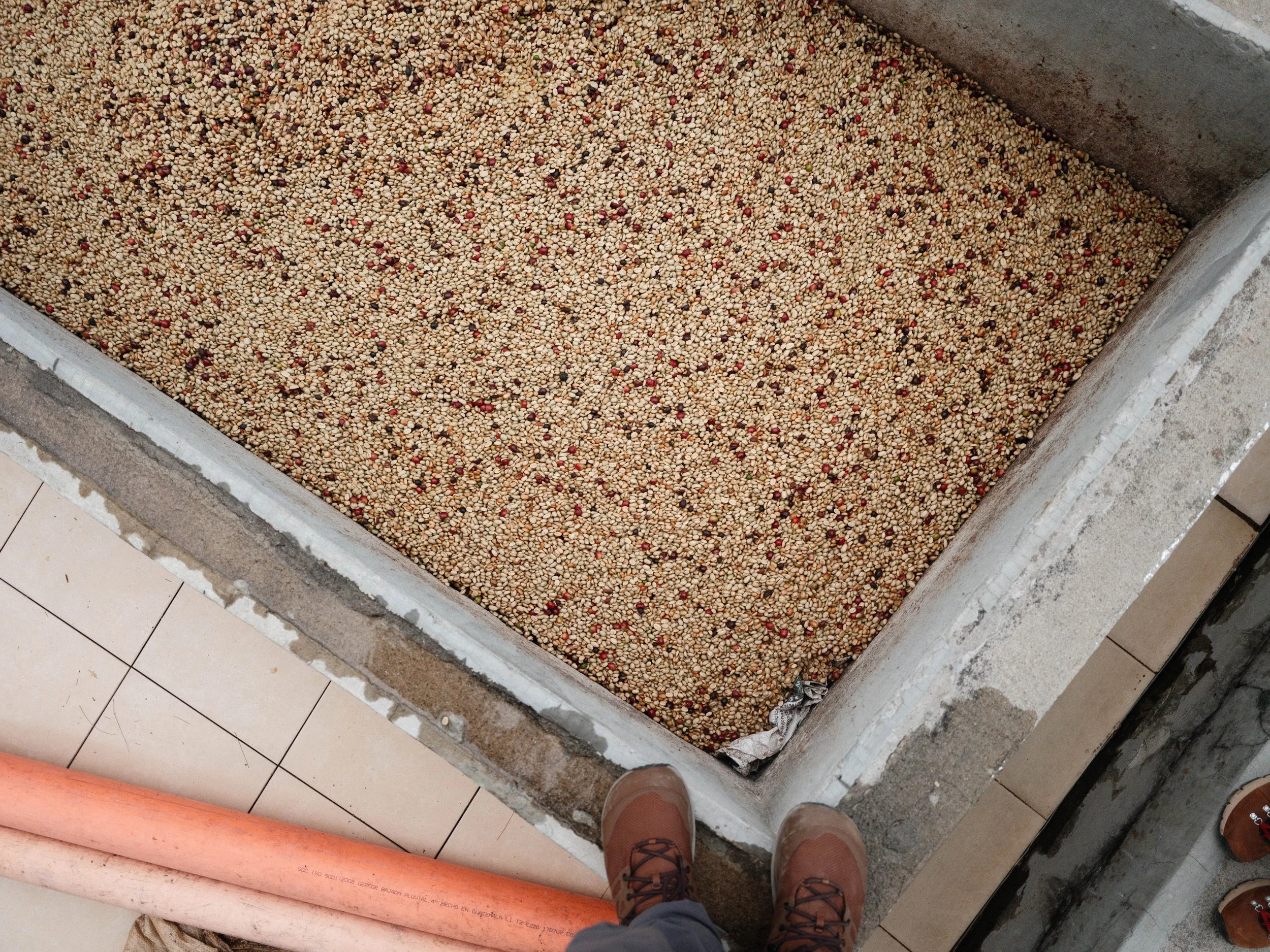
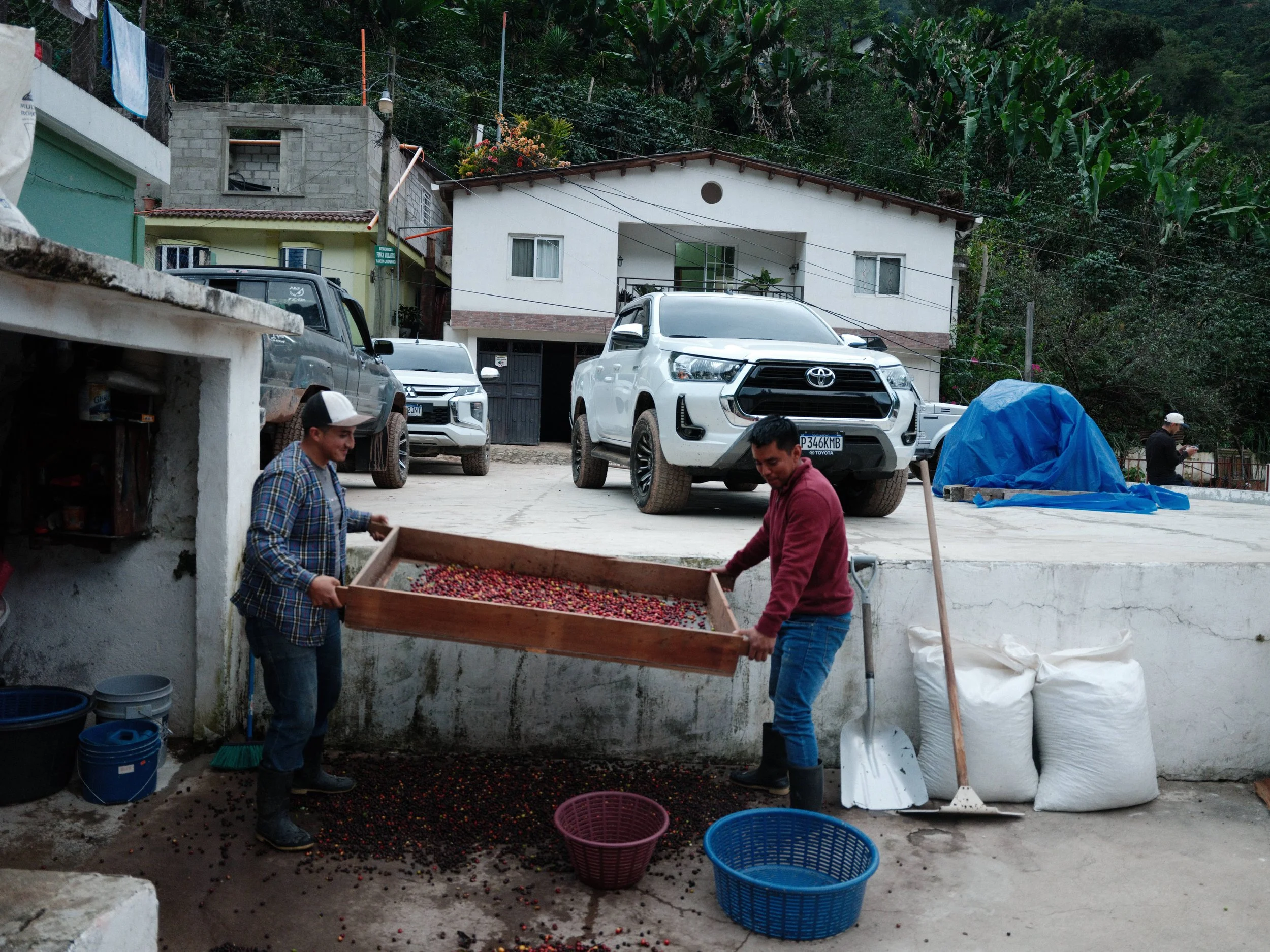
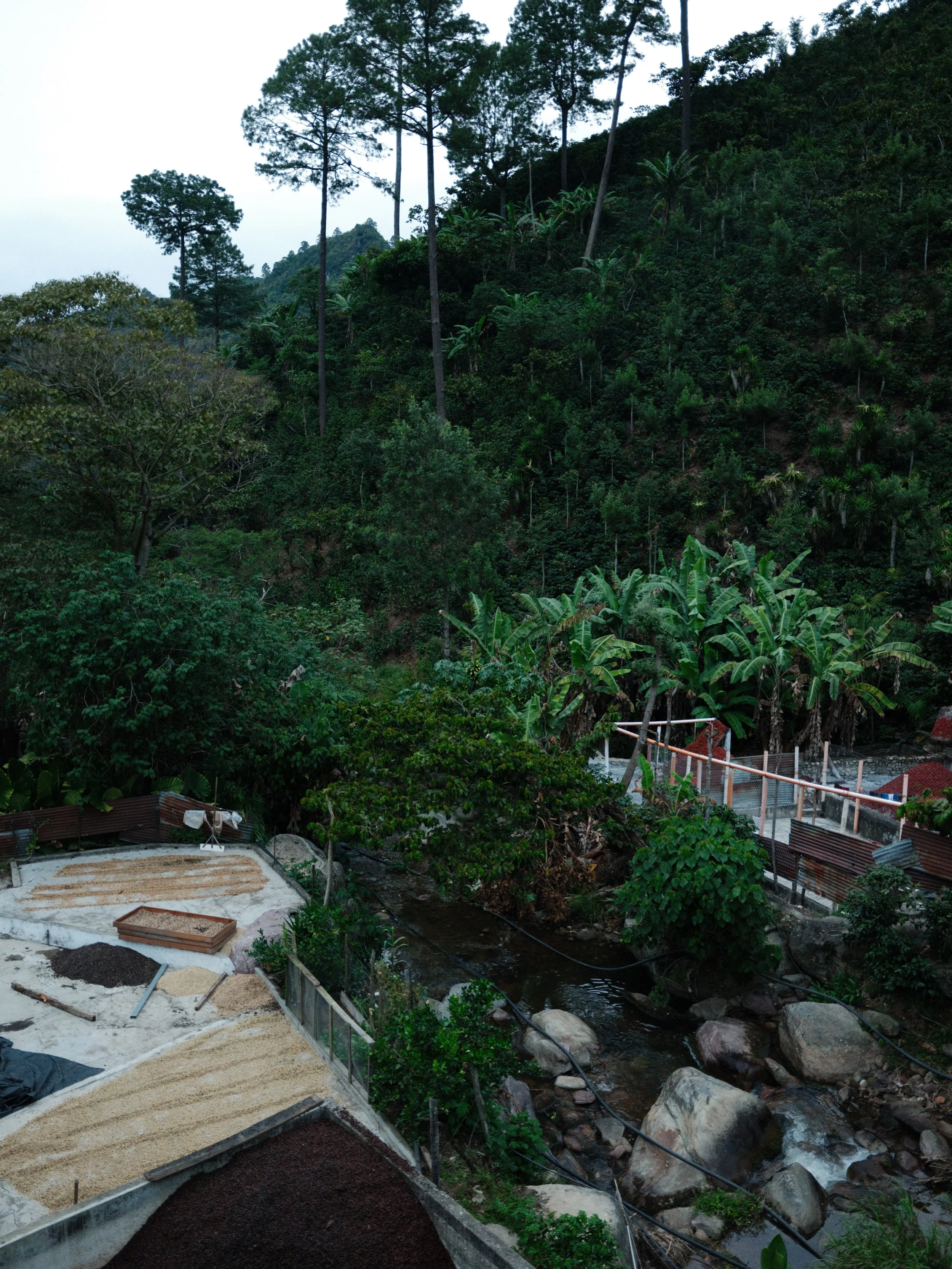
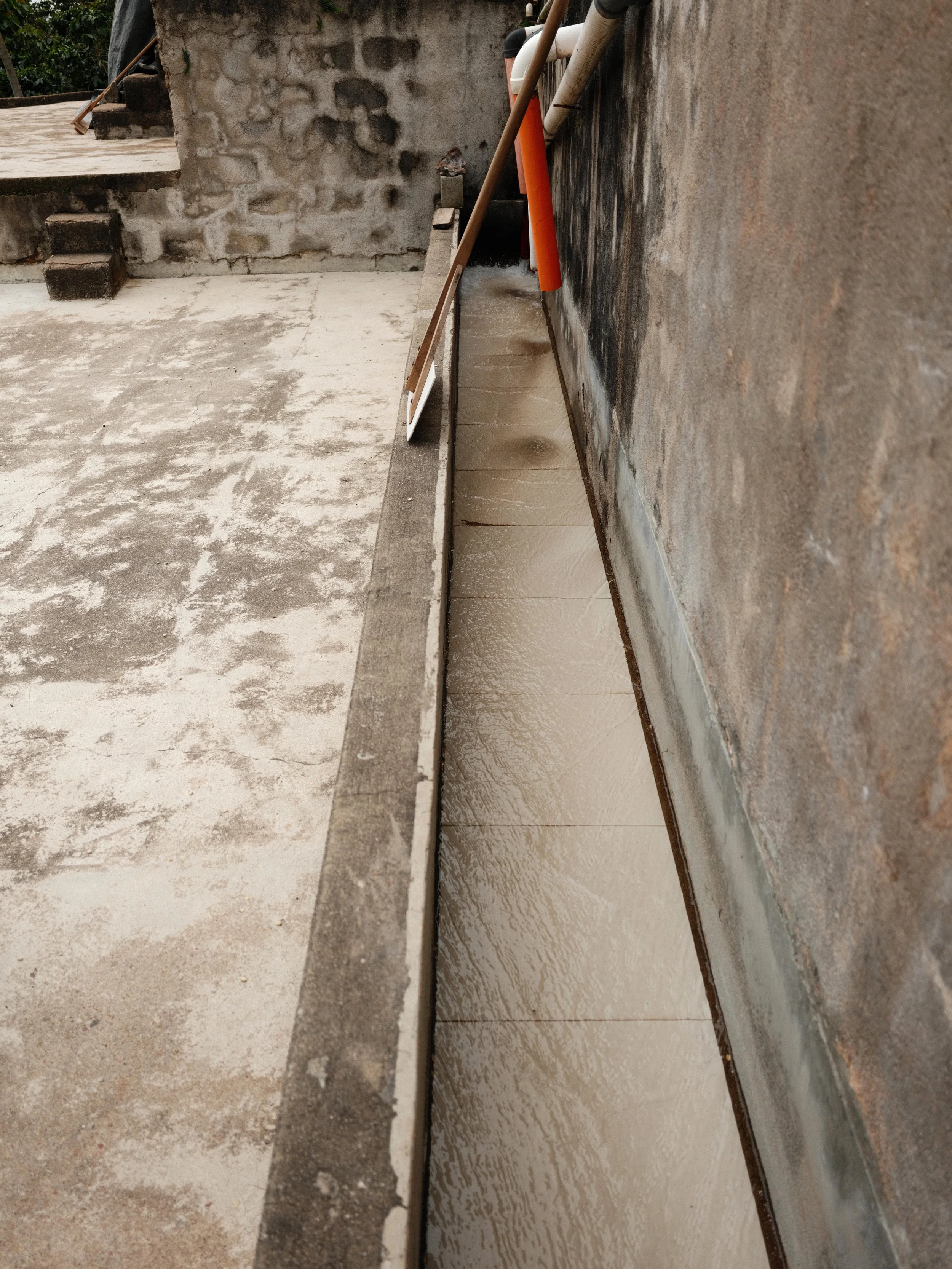
We arrived at the vibrant, little town, around sunset and it was teeming with activity. The rich, fruity smell of discarded cherry pulp was thick in the air. The amount of coffee processing (washing, specifically) happening around us was mesmerizing. Discarded pulp towered overhead in cement holding tanks from the wet mill, hundreds of pounds of wet cherries were being hauled into the mill, the sound of water rushing through channels ebbed and flowed with the sounds of the natural spring just down the hillside, and dried coffee was being neatly raked on a rooftop to our left. The neighborhood was bustling.
This was a new level of processing, compared to the singular washing station we witnessed in Punta Del Cerro. Not only that, but a new level of community. A far cry from the quiet, jungle farm tucked into the mountainside, Hoja Blanca was filled to the brim with men, women, children (and lots of chickens), all moving from one task to another, smiling broadly as we passed by.
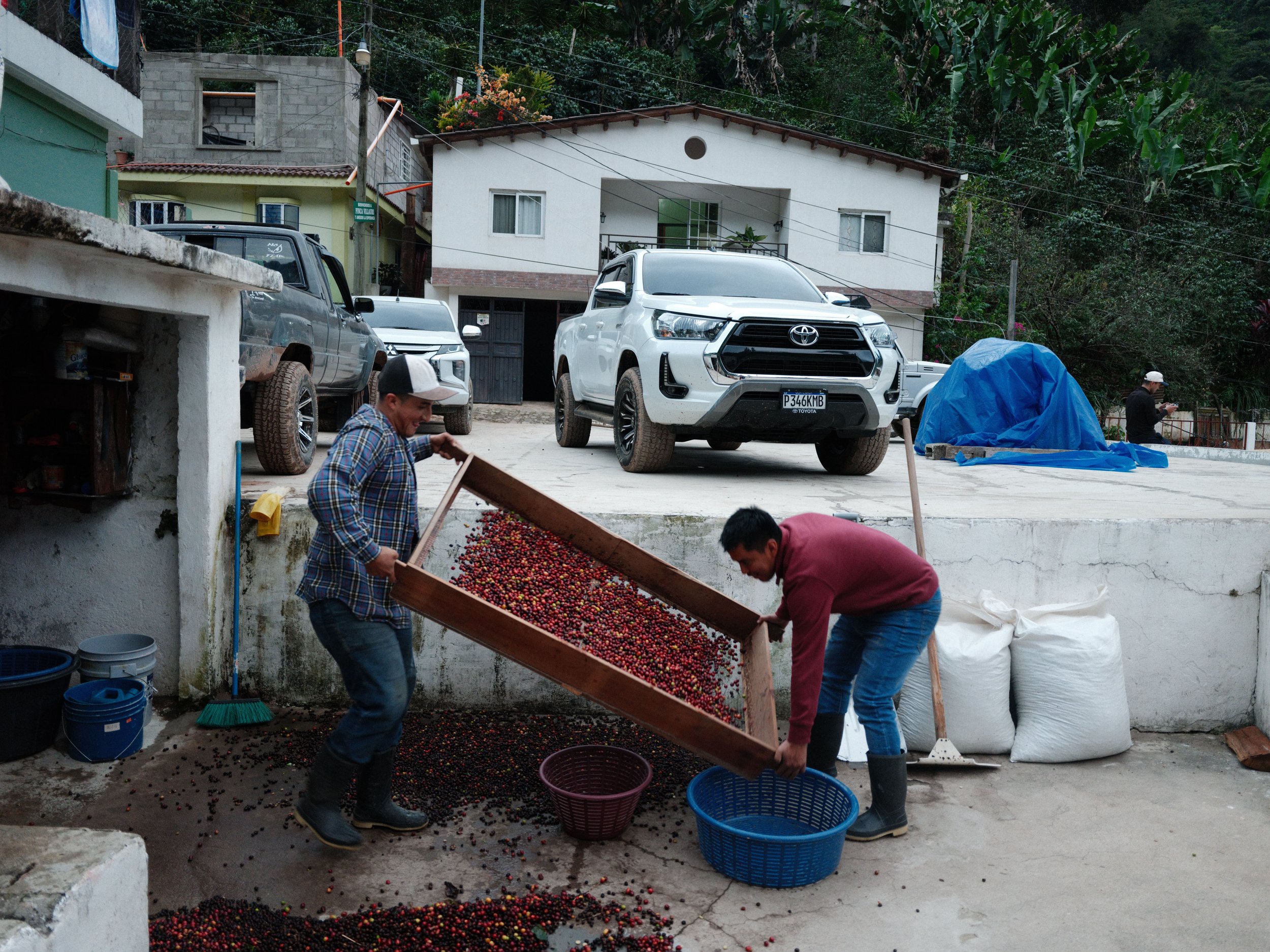
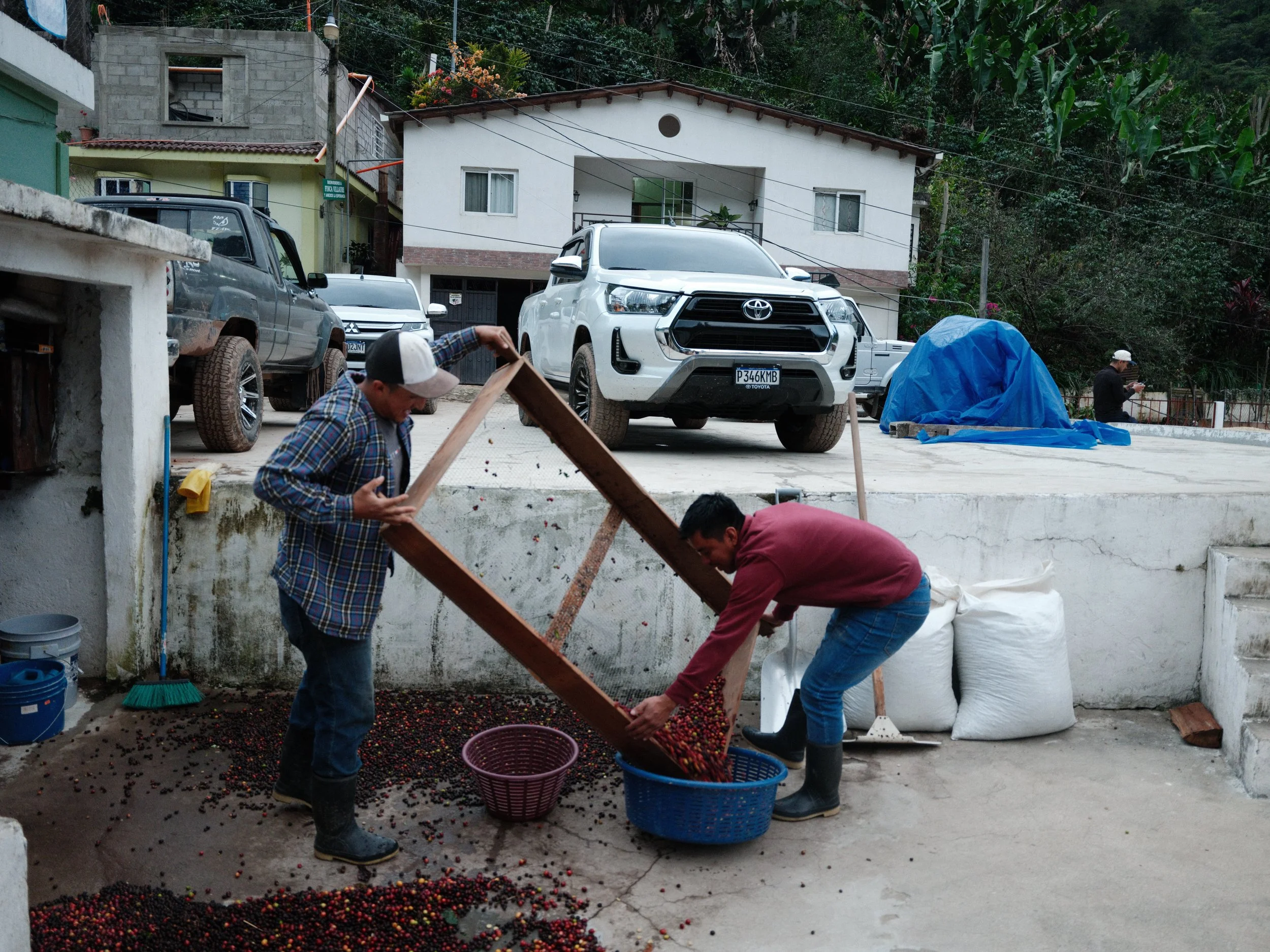
That evening, we gathered around the family dinner table to say grace and dig into the best fried chicken (yep, those chickens), while Aurelio shared stories about the family, farm history, and even serenaded us with a tune.
The next morning, we woke up to the smell of coffee, bacon and eggs (!!) – something about that familiar scent, in a country so far away from home, felt incredibly comforting. It was a great way to wrap our last morning on the farms.
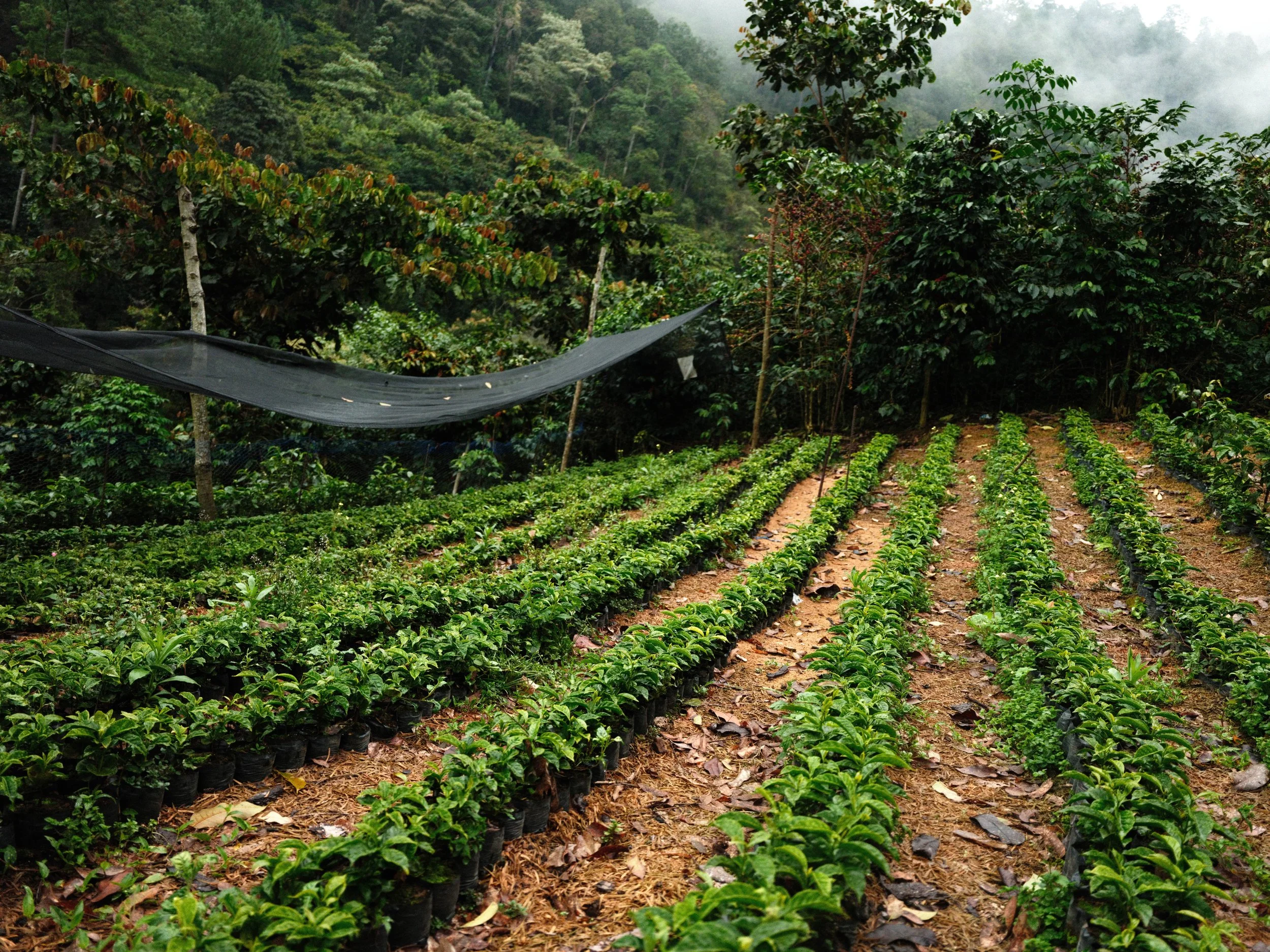
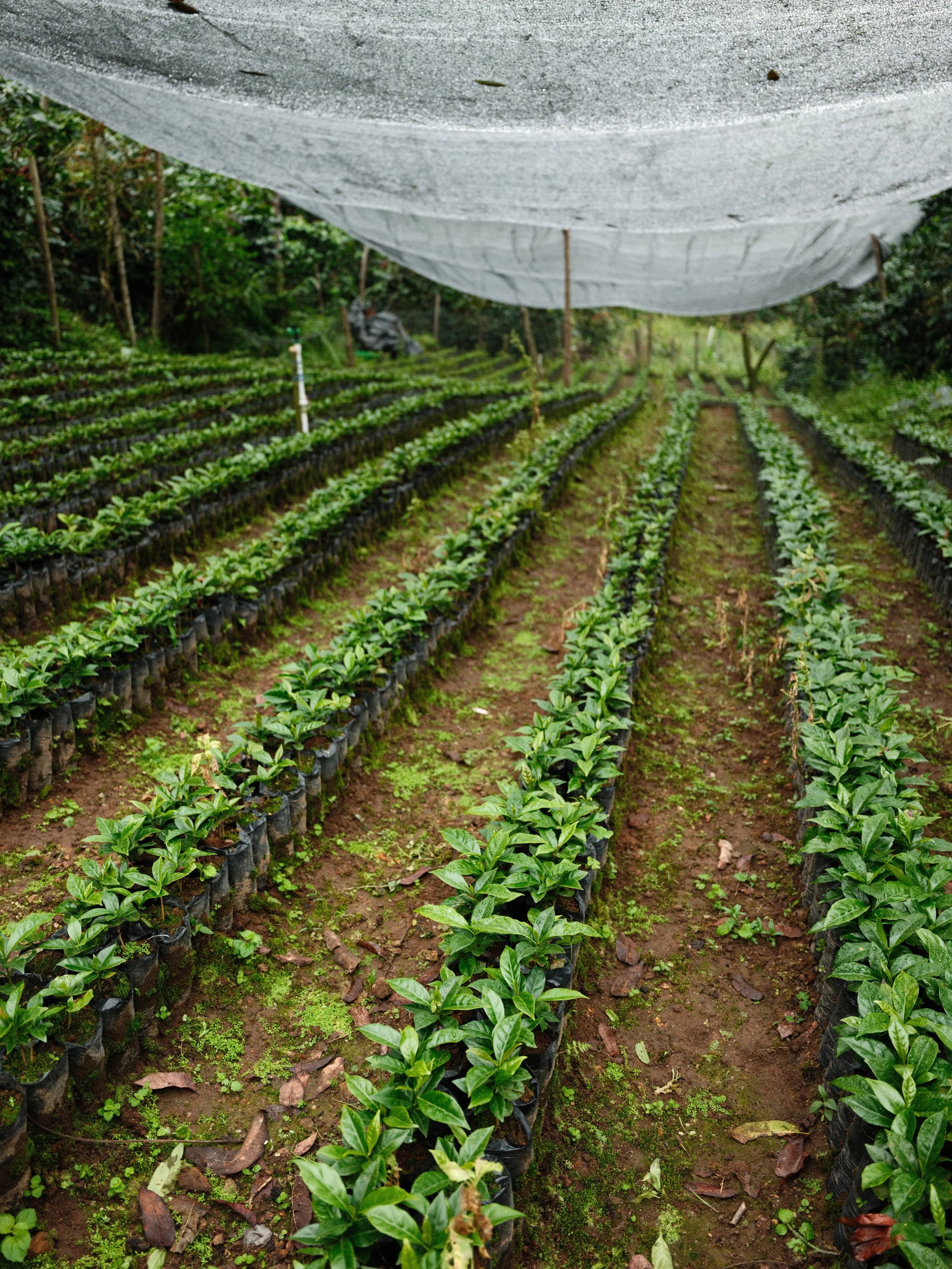
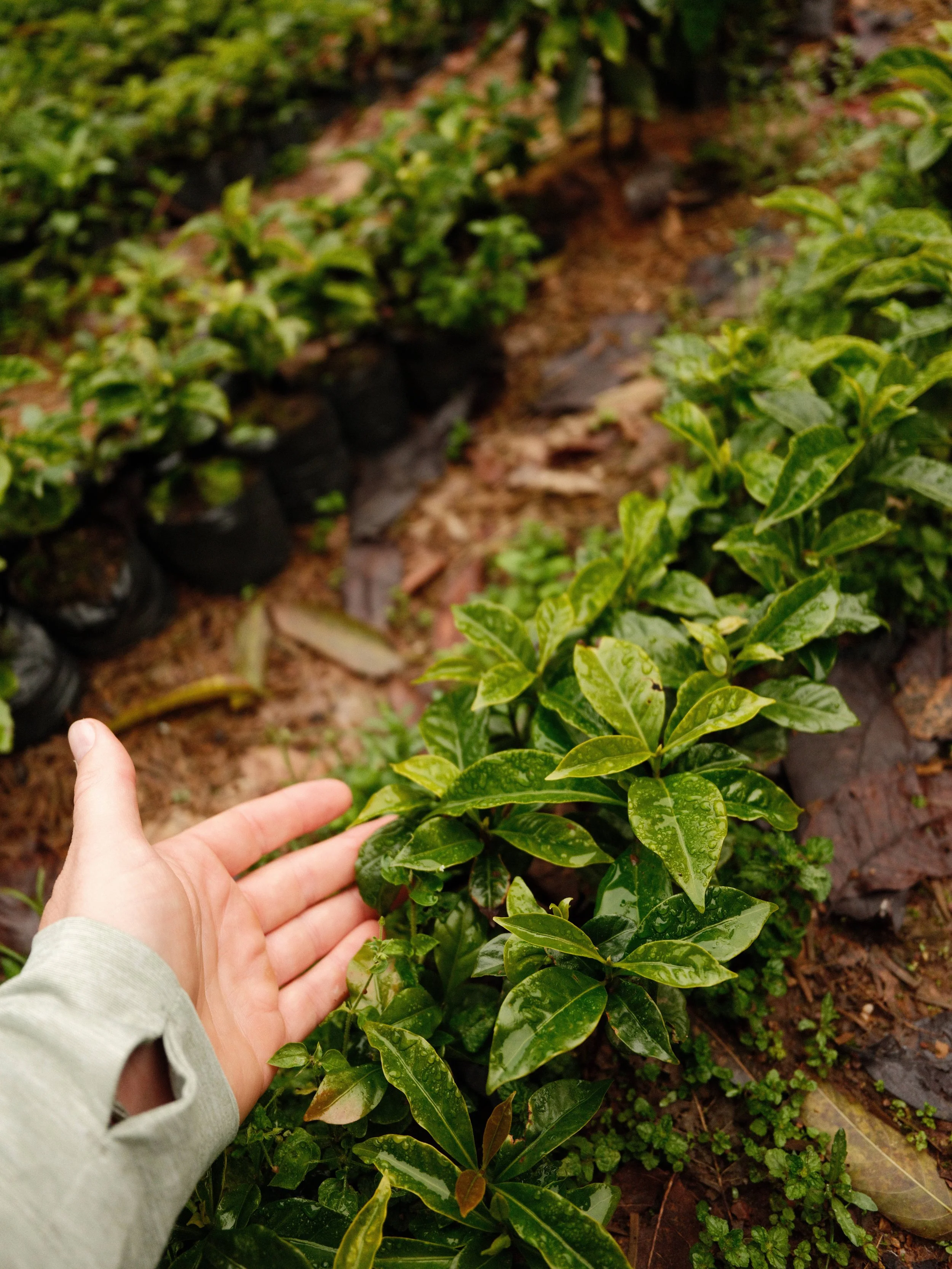
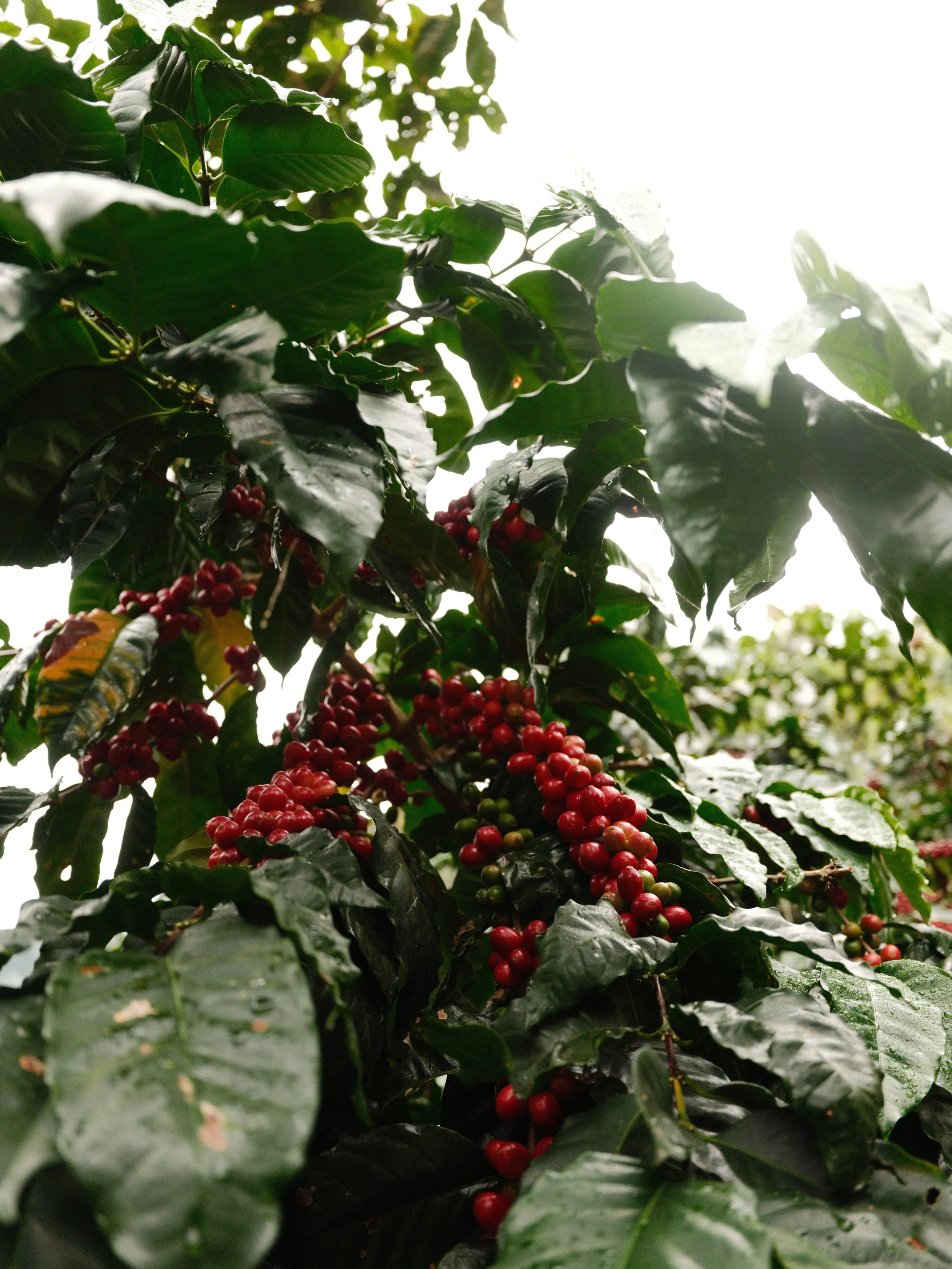
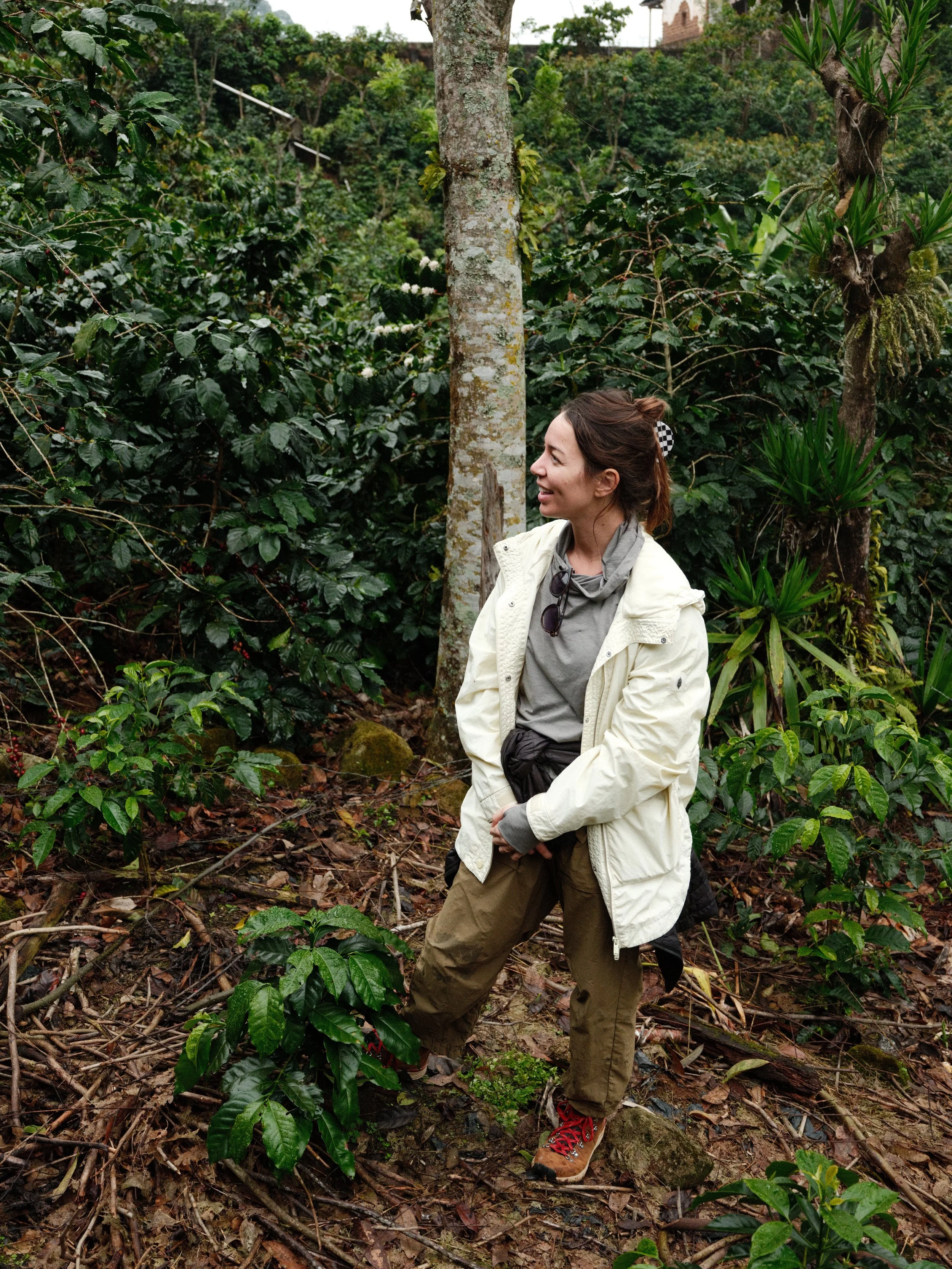
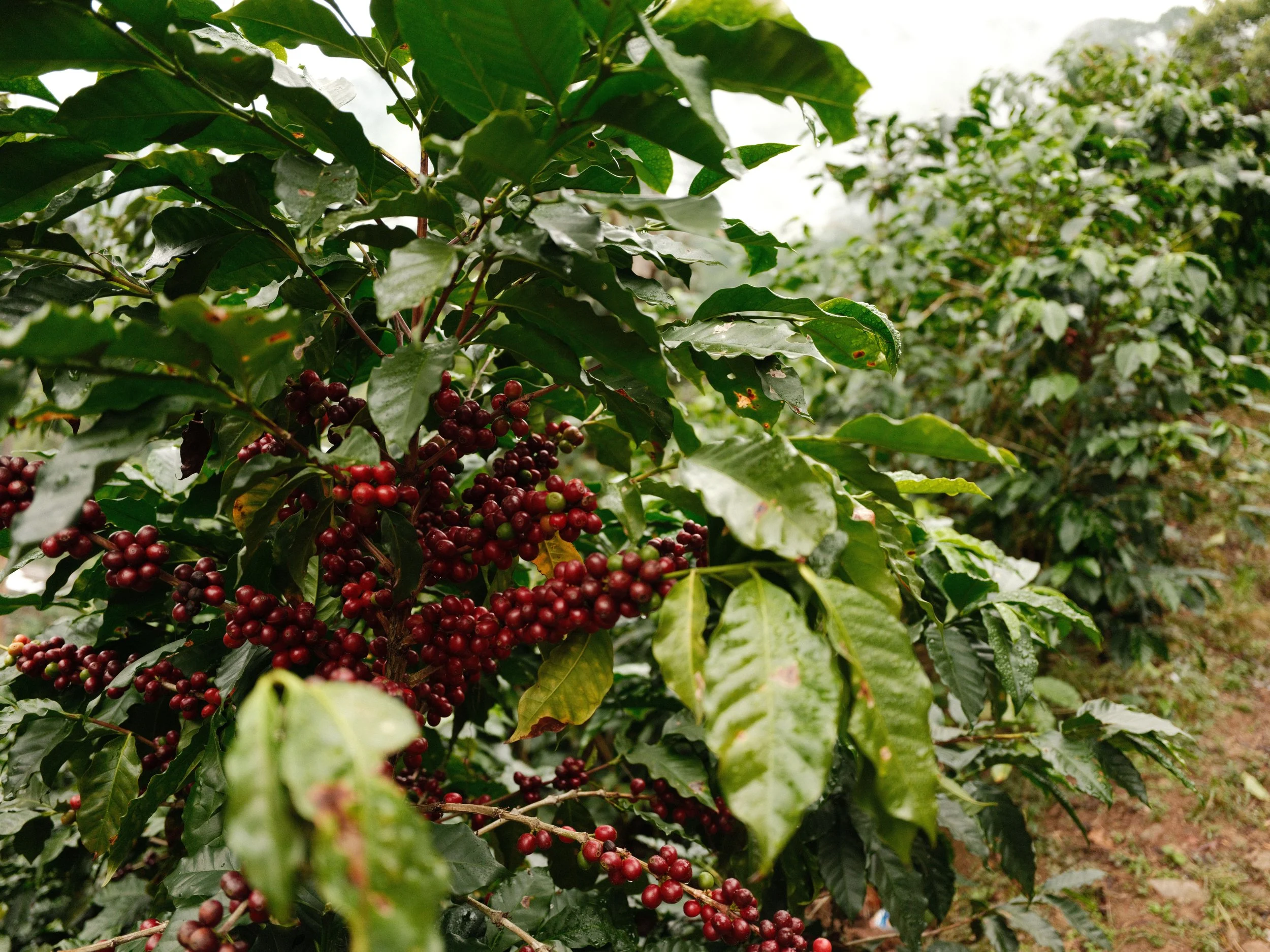
After breakfast, we headed off for a walk of the surrounding property, including a short hike through the jungle to the family’s coffee plant nursery.
Over 10,000 baby gesha plants get their start here. Gesha plants have exploded in popularity worldwide, and though the Villatoros farm several different species of coffee plants, gesha continues to be high in demand.
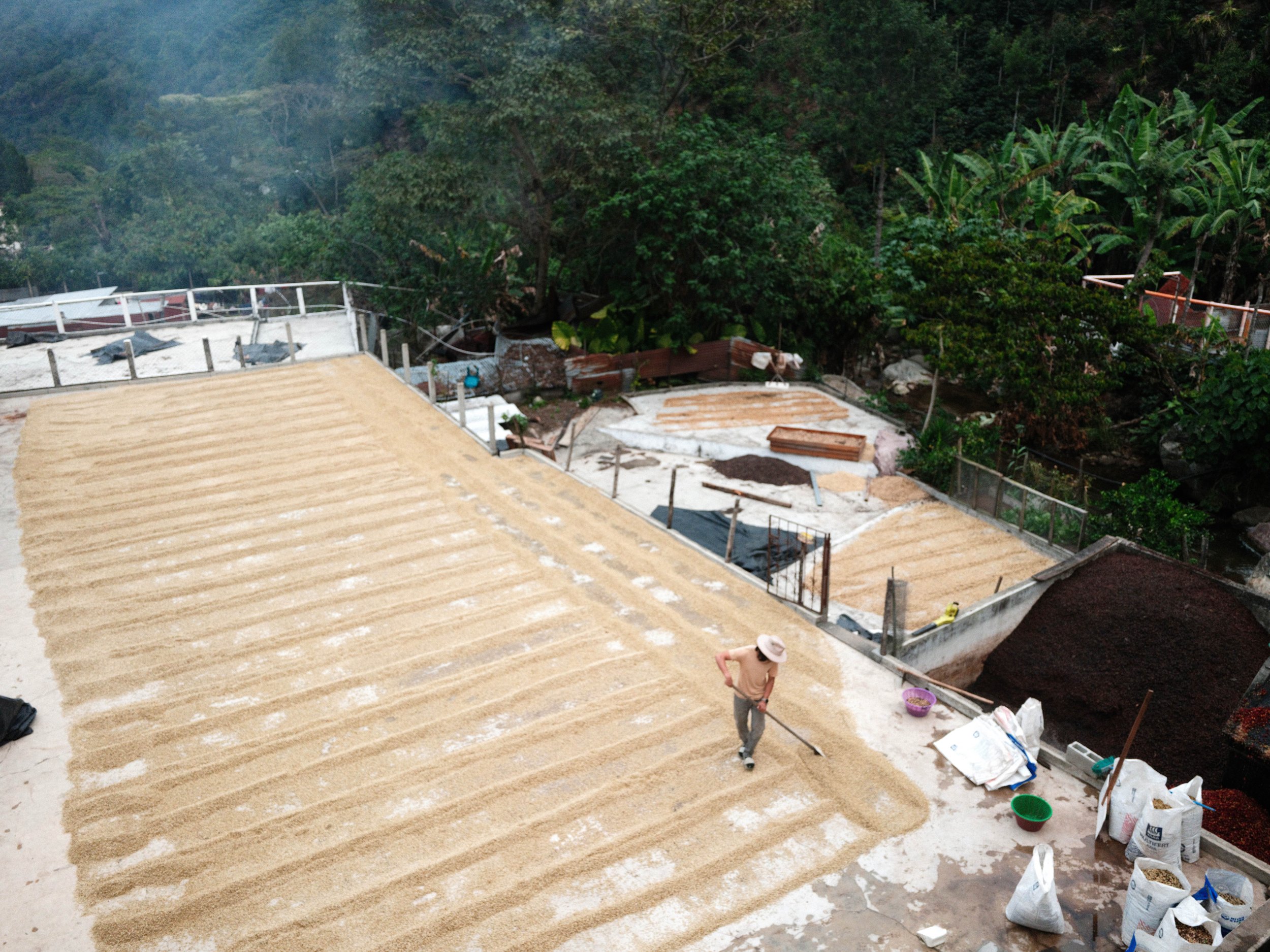
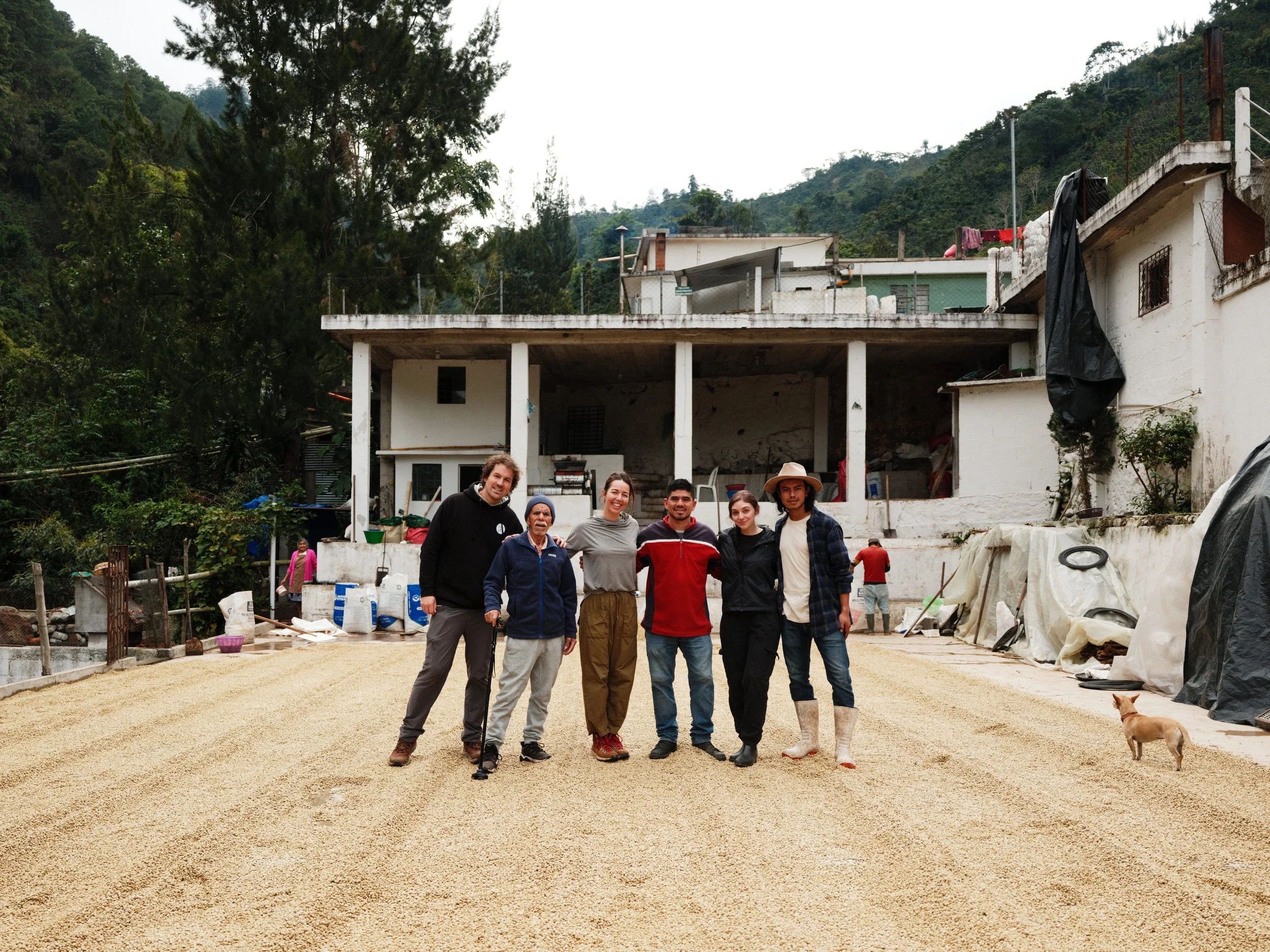
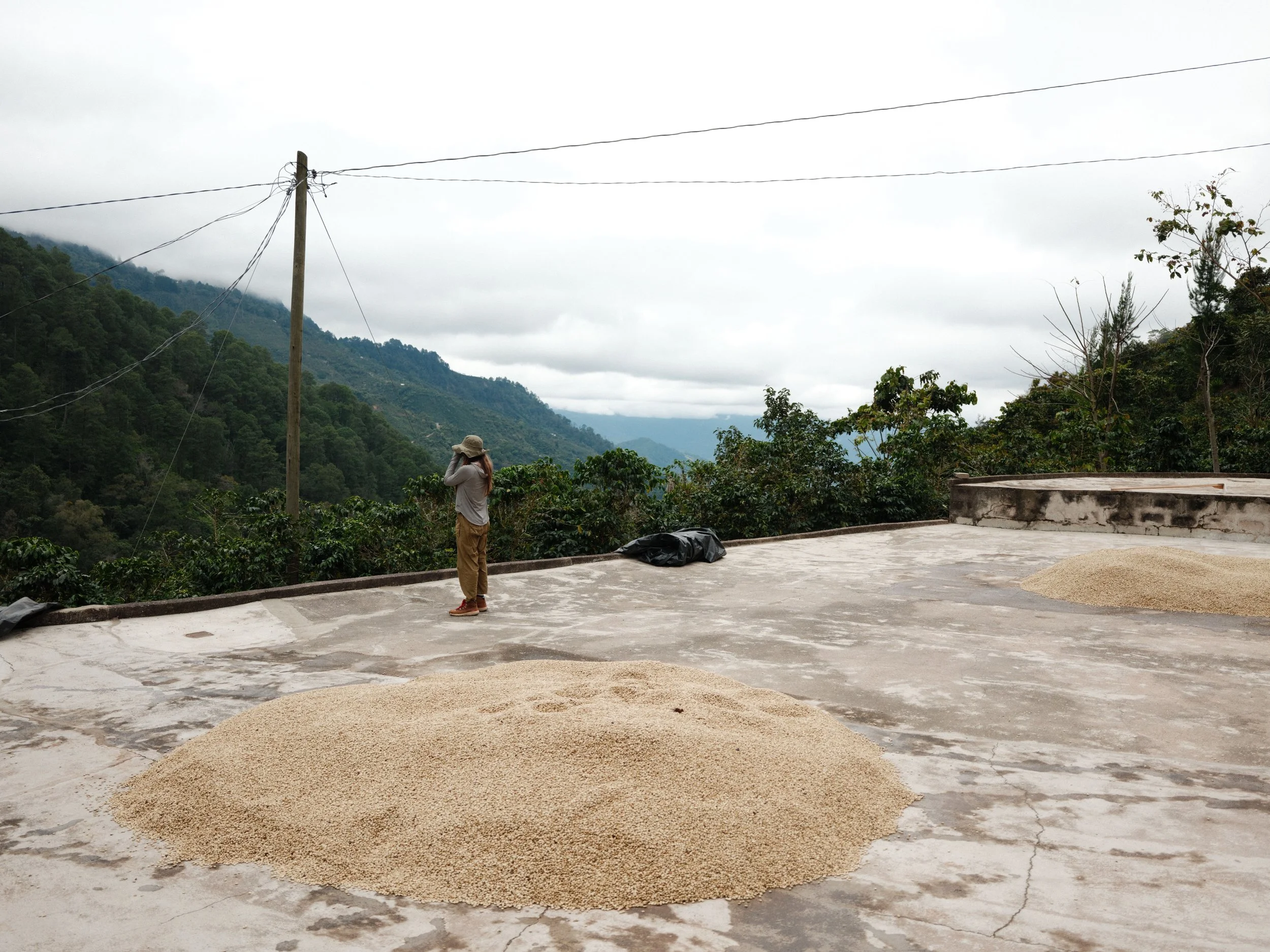
Once back at the house, the family took us for a tour of their dried coffee beds and new, wood-powered dryer.
We assumed that the dryer existed to save coffee that was left out in the rain. Rain storms can sweep in quickly over this mountainous terrain at night, and though the family has partnered with a service to provide a Personal Weather Station on the property, rain can still catch farmers off guard and ruin a batch. We heard several stories about farmers hearing the first drops of rain in the night and quickly waking the family to help cover the precious, drying coffee left outdoors.
However, we quickly learned that our assumption wasn’t the primary reason for purchasing this expensive piece of equipment. The primary purpose of this new dryer is to streamline the drying phase for specialty processed coffee. Specifically, to provide a slow, finite drying time for some of the family’s most prized lots. It’s a huge investment, but can help increase the cupping notes and overall value of very special beans.
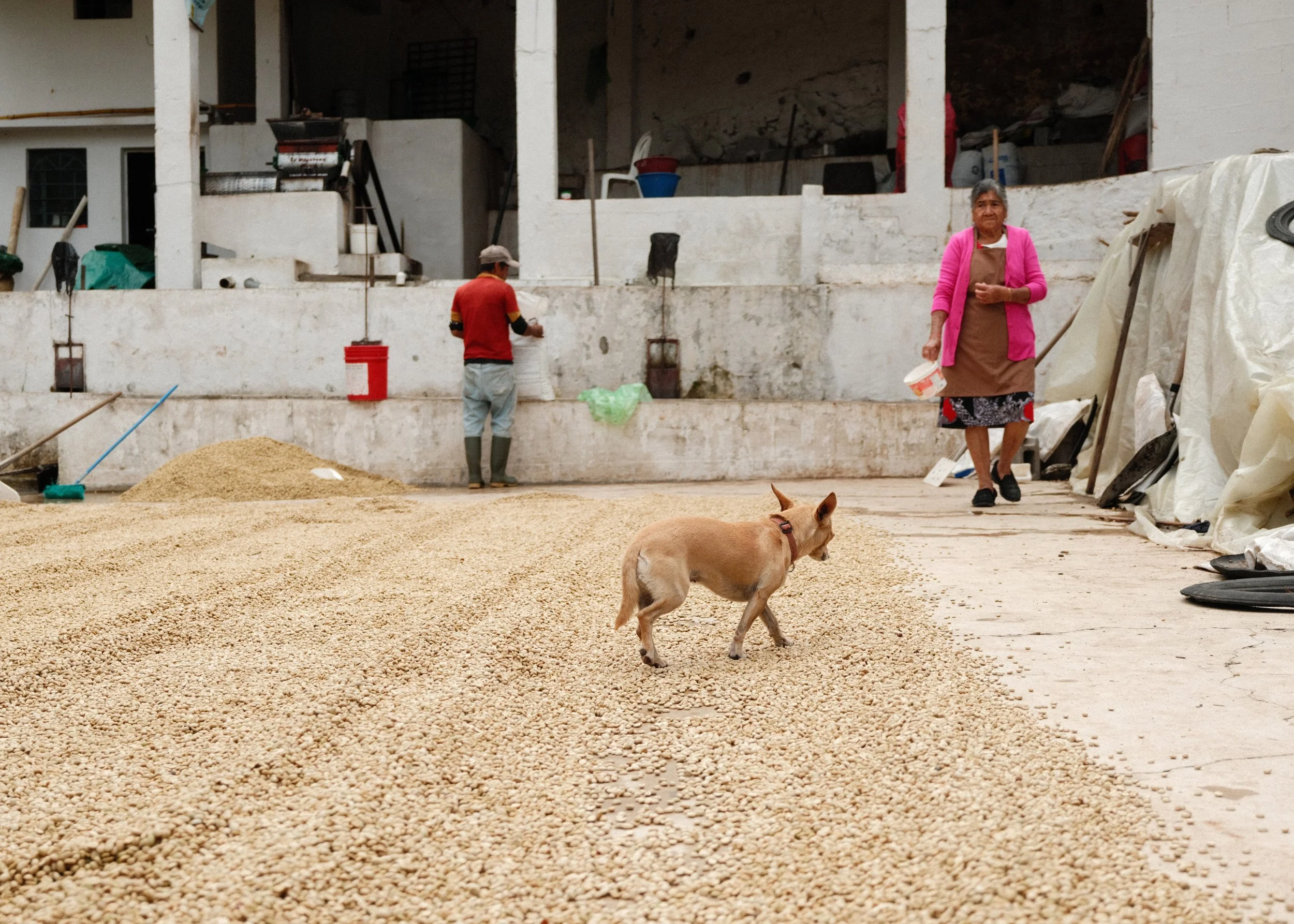
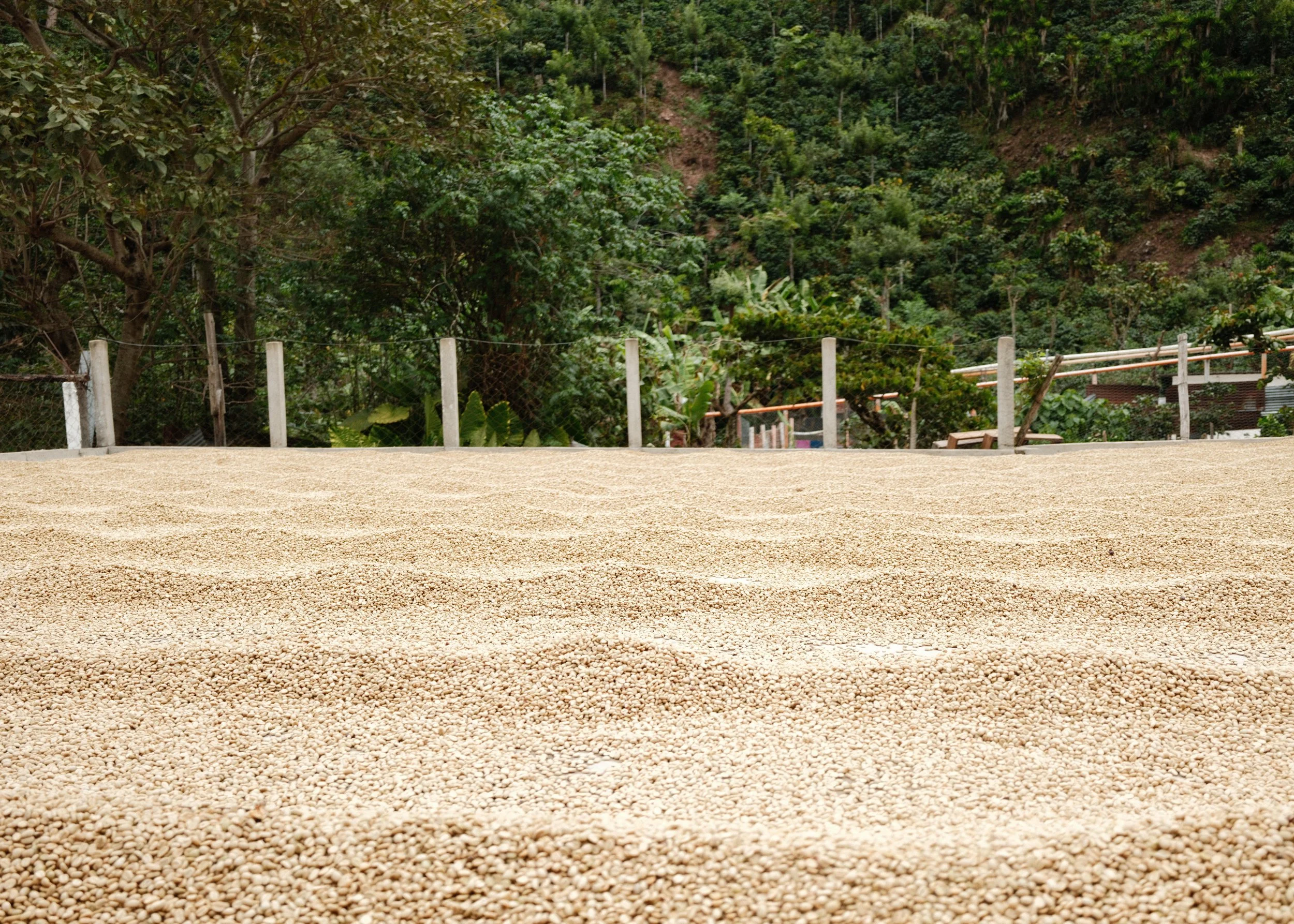
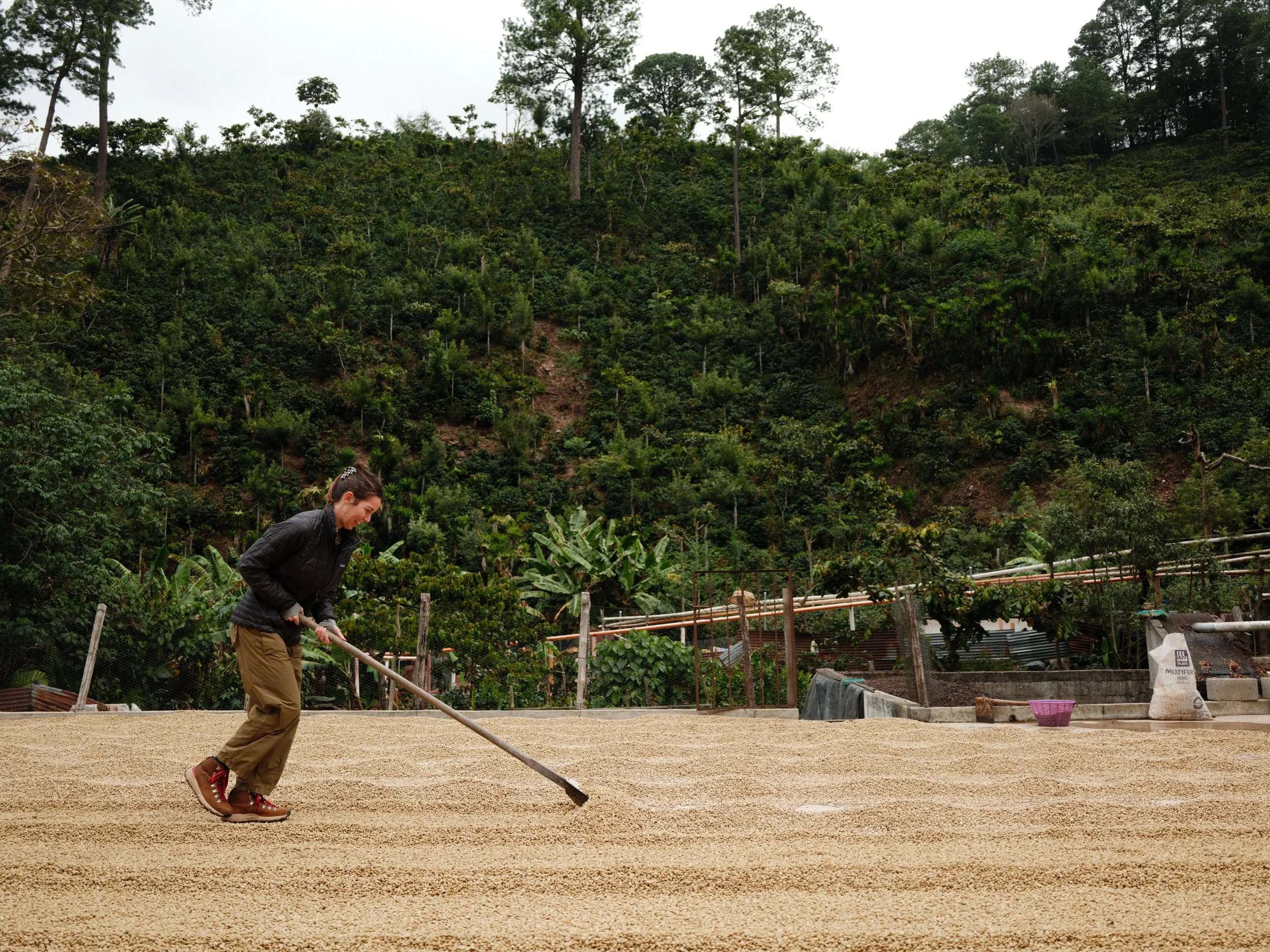
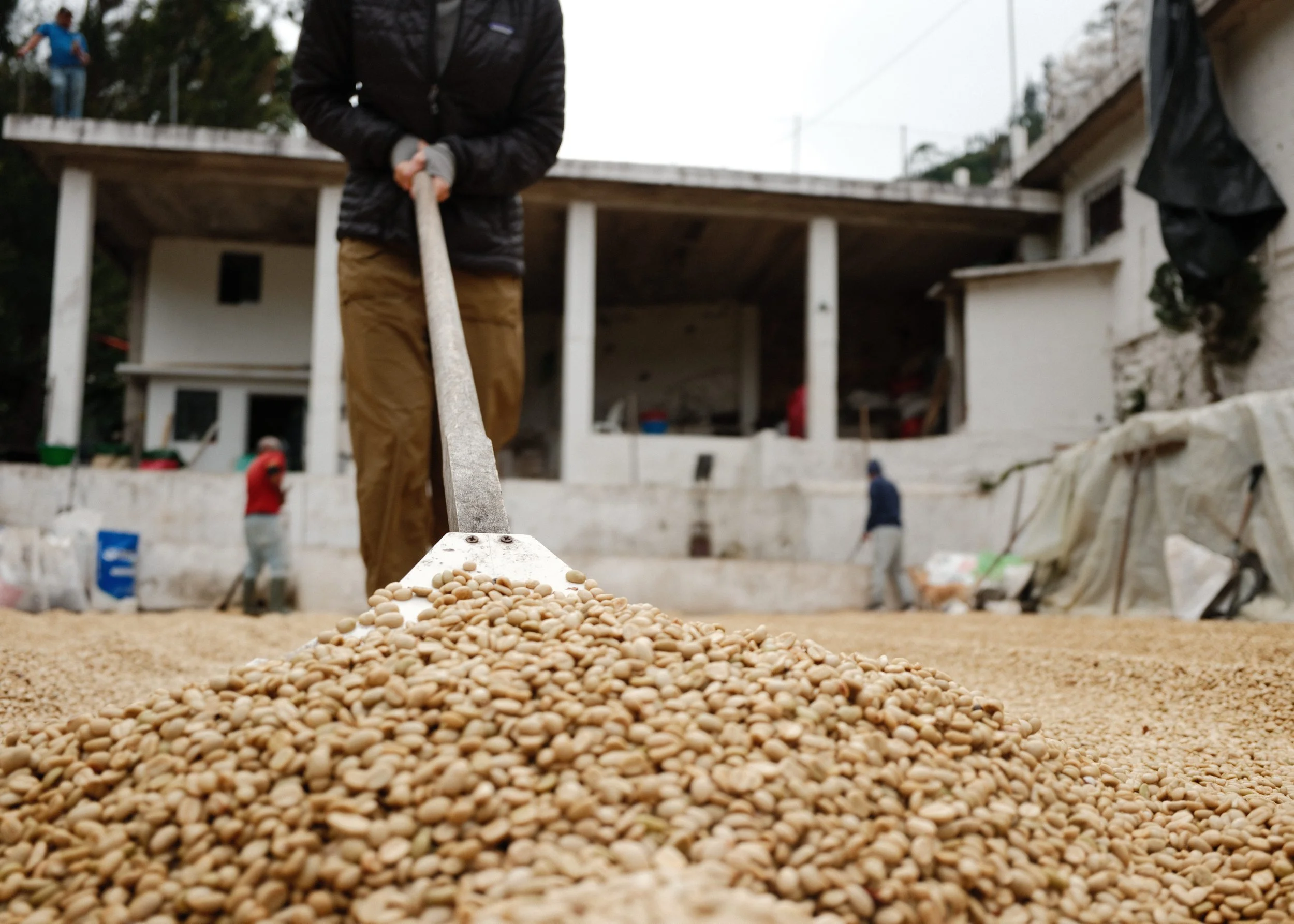
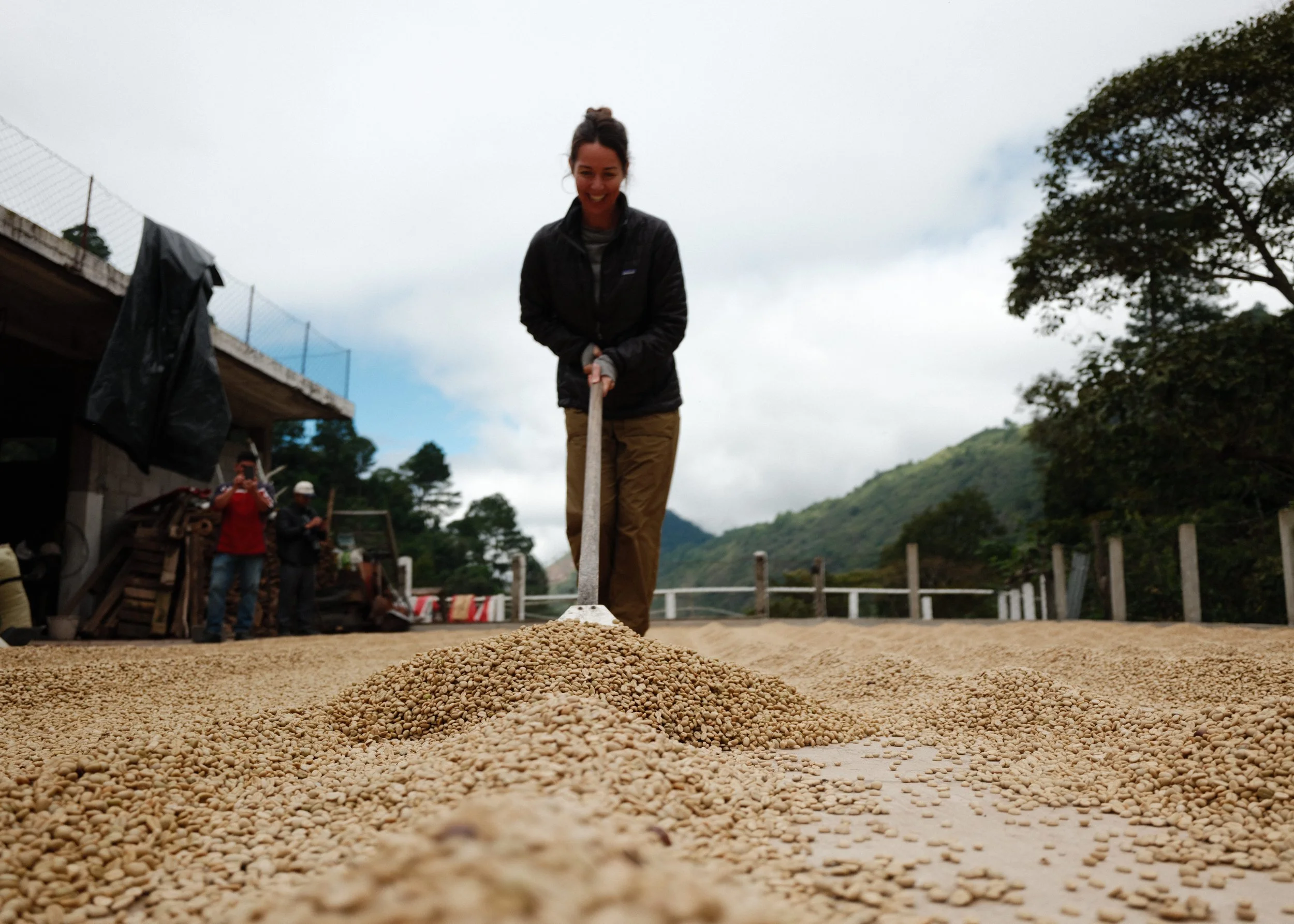
OFF THE PAGE MOMENT: Drying coffee is truly an art form. It’s stunning to look at—those perfectly combed rows stretching across the patio— but timing, strategy, and lots of strength is required to achieve the end result of evenly dried beans. Raking the beans into rows isn’t just for aesthetics; it helps control airflow and ensure even drying in a limited space. Each row alternates between a thin, single layer and a slightly thicker mound, which is constantly turned and combed through with a rake to keep moisture levels consistent. Farmers even adjust the direction of the rows throughout the day, aligning them in relation to the sun so shadows don’t linger and disrupt the process.
The day was already flying by and we needed to start our three-hour drive back to Huehuetenango to catch our afternoon flight, but we had time for one more farm on our way out of town: Pedro Villatoro’s lot.
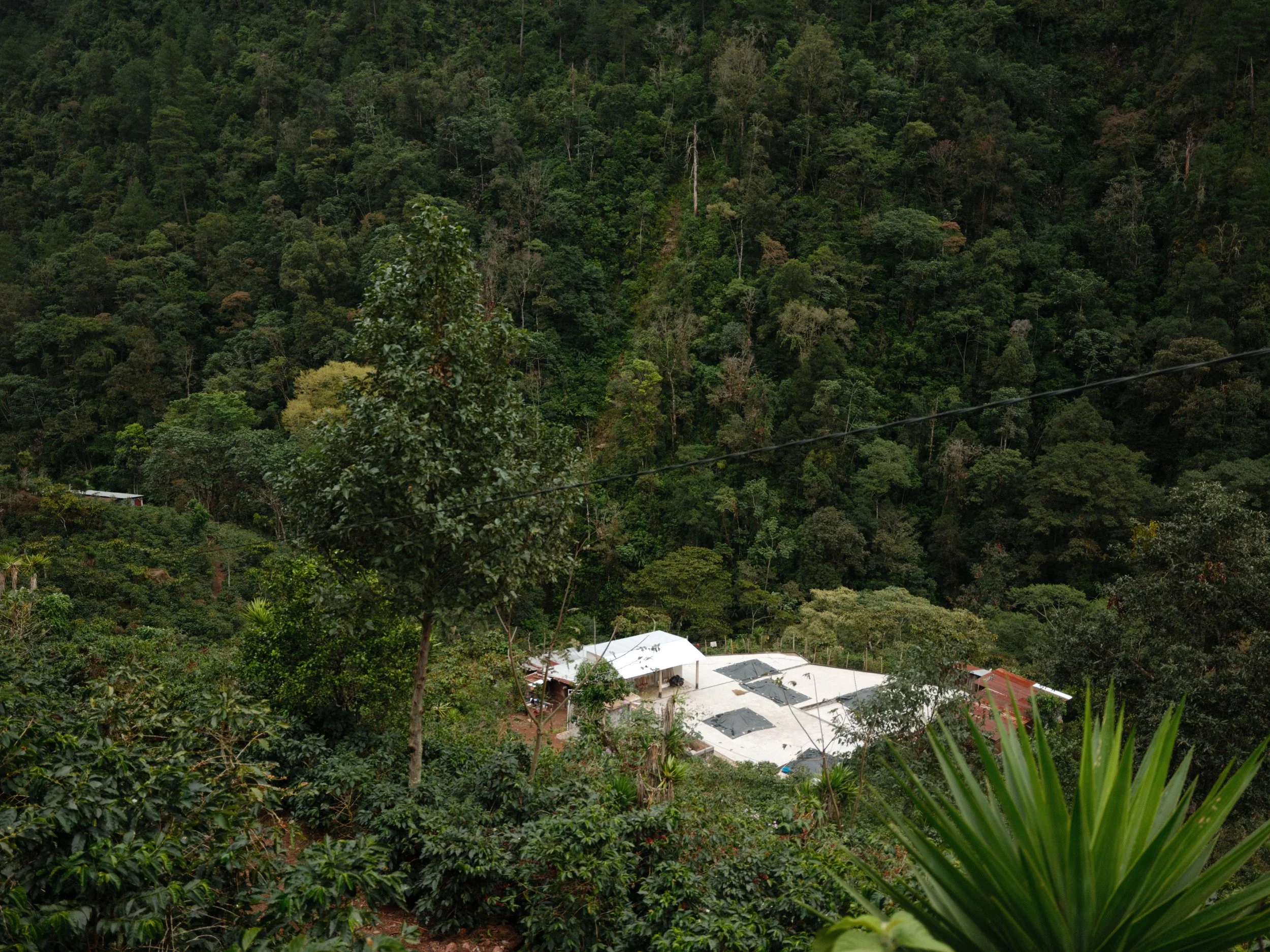
This name might sound familiar. We’ve had Pedro’s coffee at the shop for the past two years now and it was an exciting moment to visit his family and wet mill.
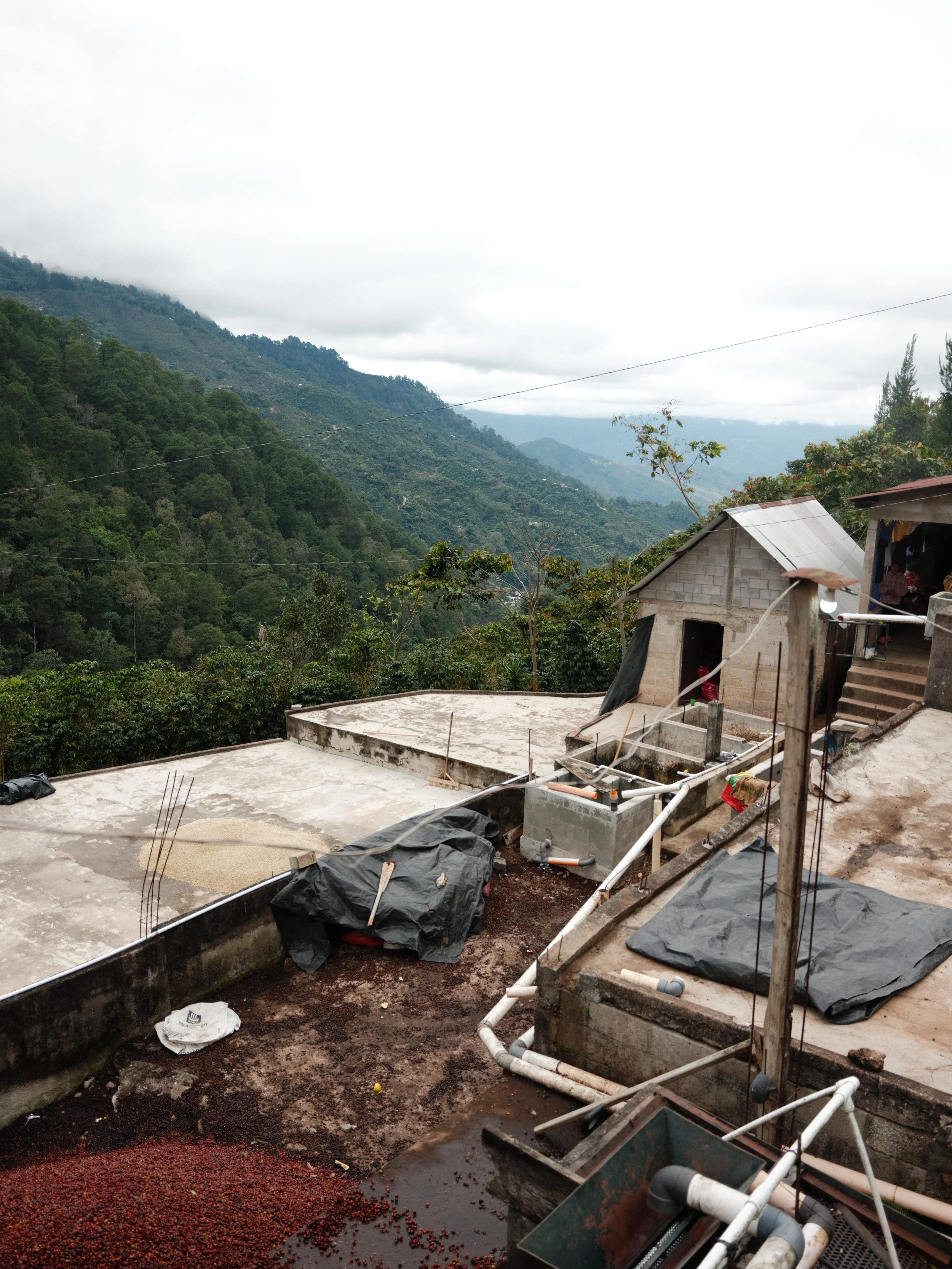
Pedro’s farm was a beautiful plot of land built into the side of the mountain, with panoramic views of the valley below. From where we stood, we could see the very lot where our coffee was grown—a surreal, full-circle moment.
The plot stretched far down the mountain and climbed more than 600 vertical meters toward the summit, nearly straight up and down. It’s hard to imagine the pickers navigating those steep slopes, harvesting over 100-pounds of ripe cherries by hand, and then hauling those heavy sacks all the way back to the farm. Insanely tough work.
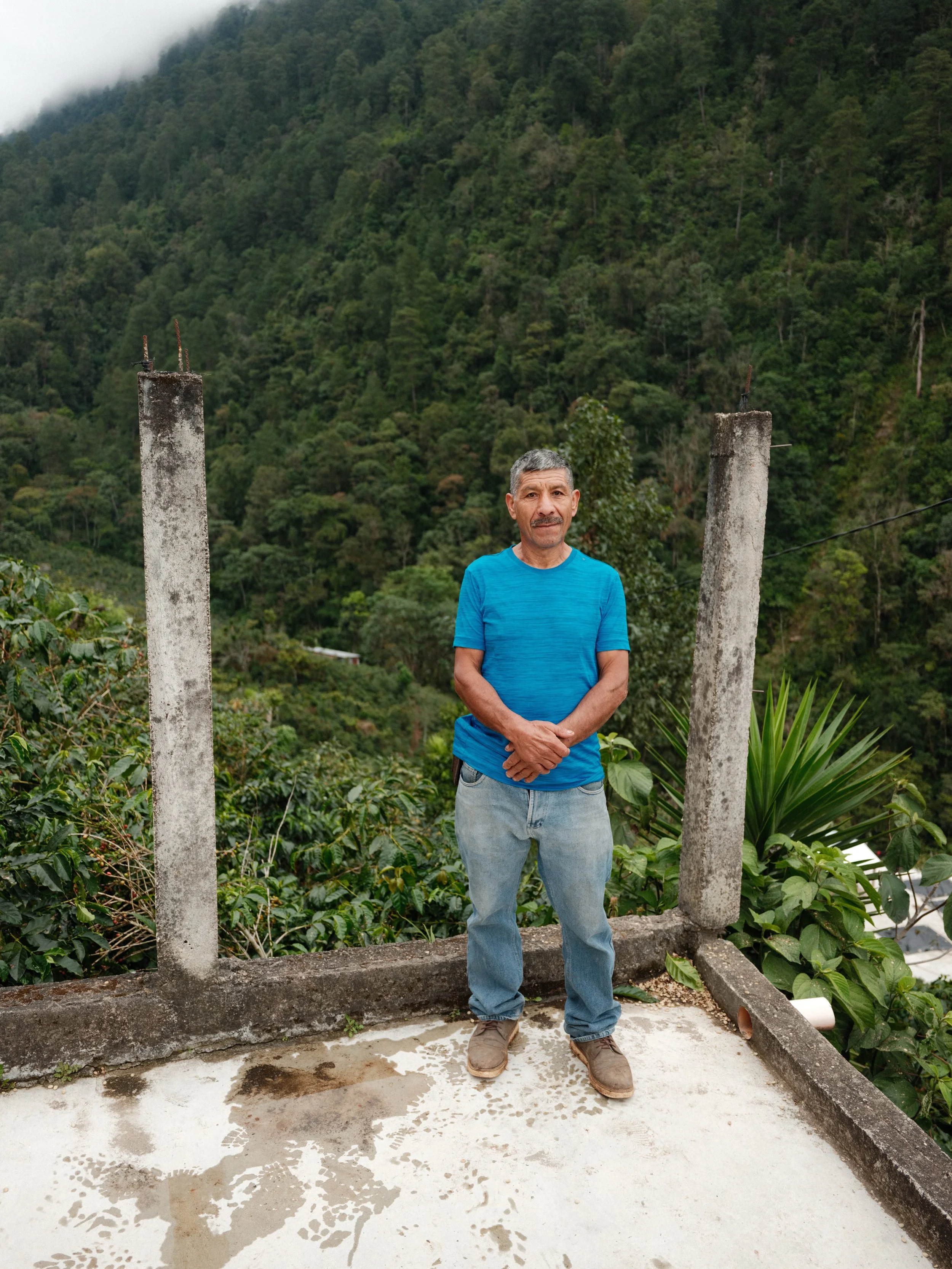
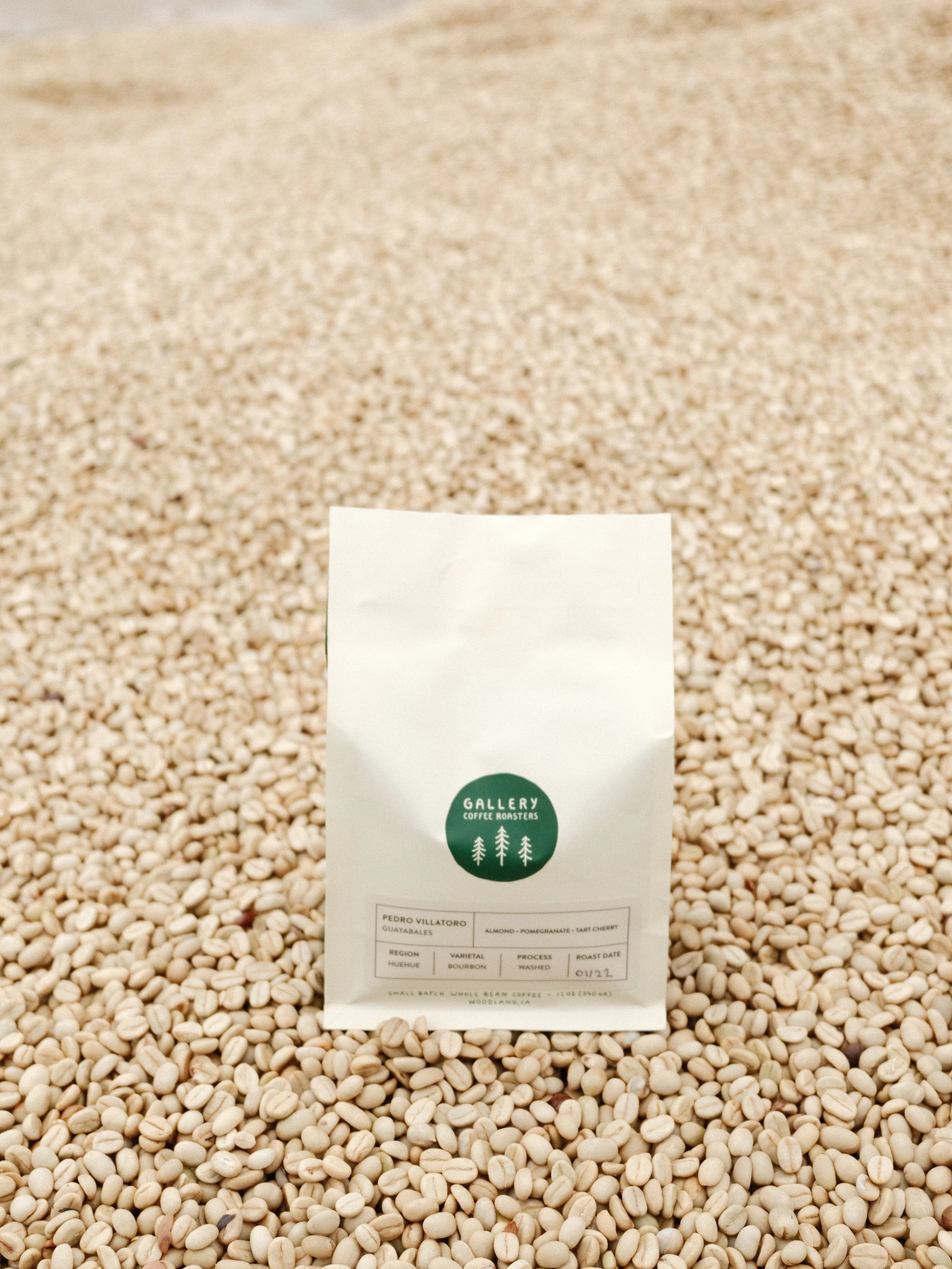
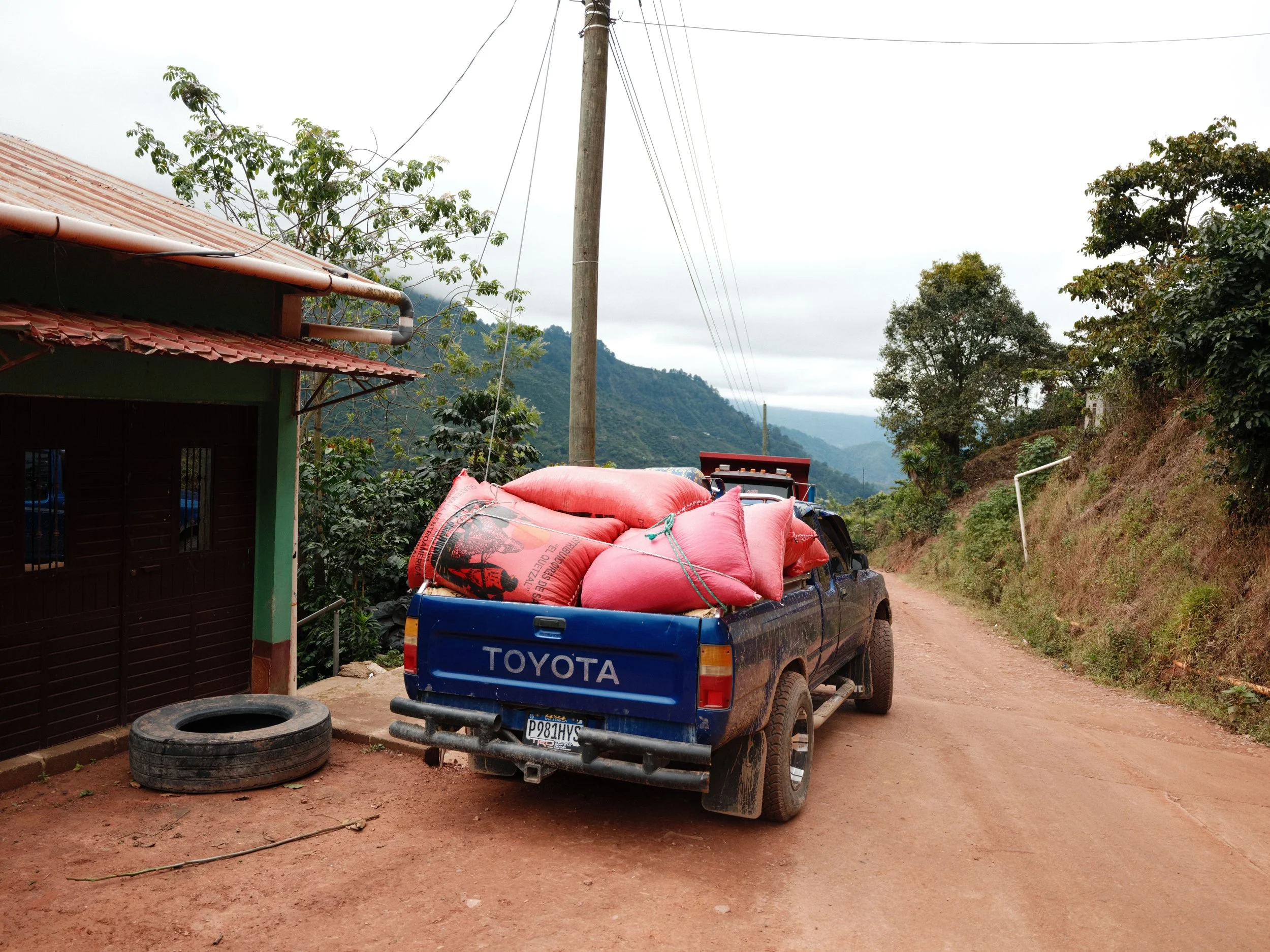
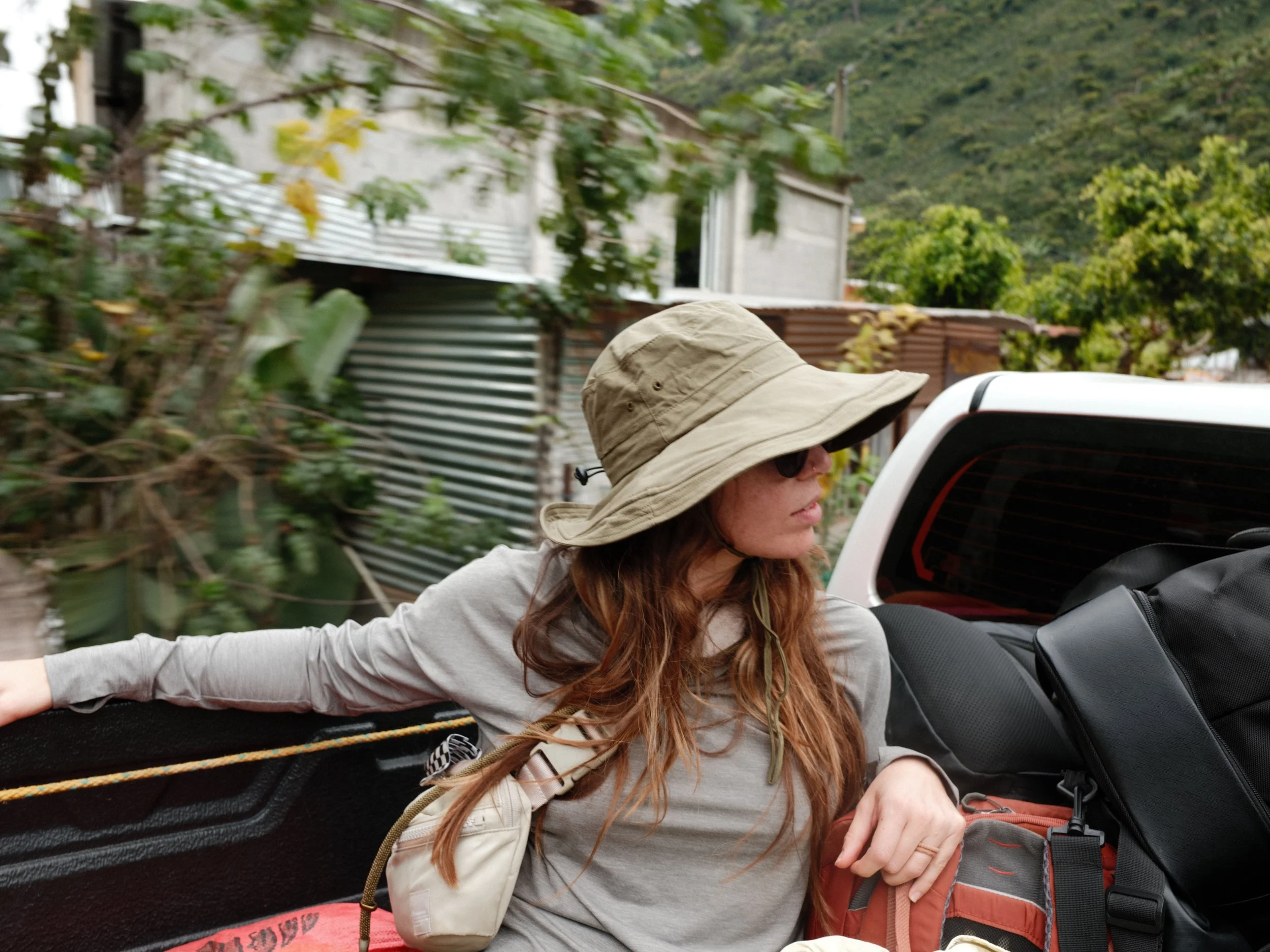
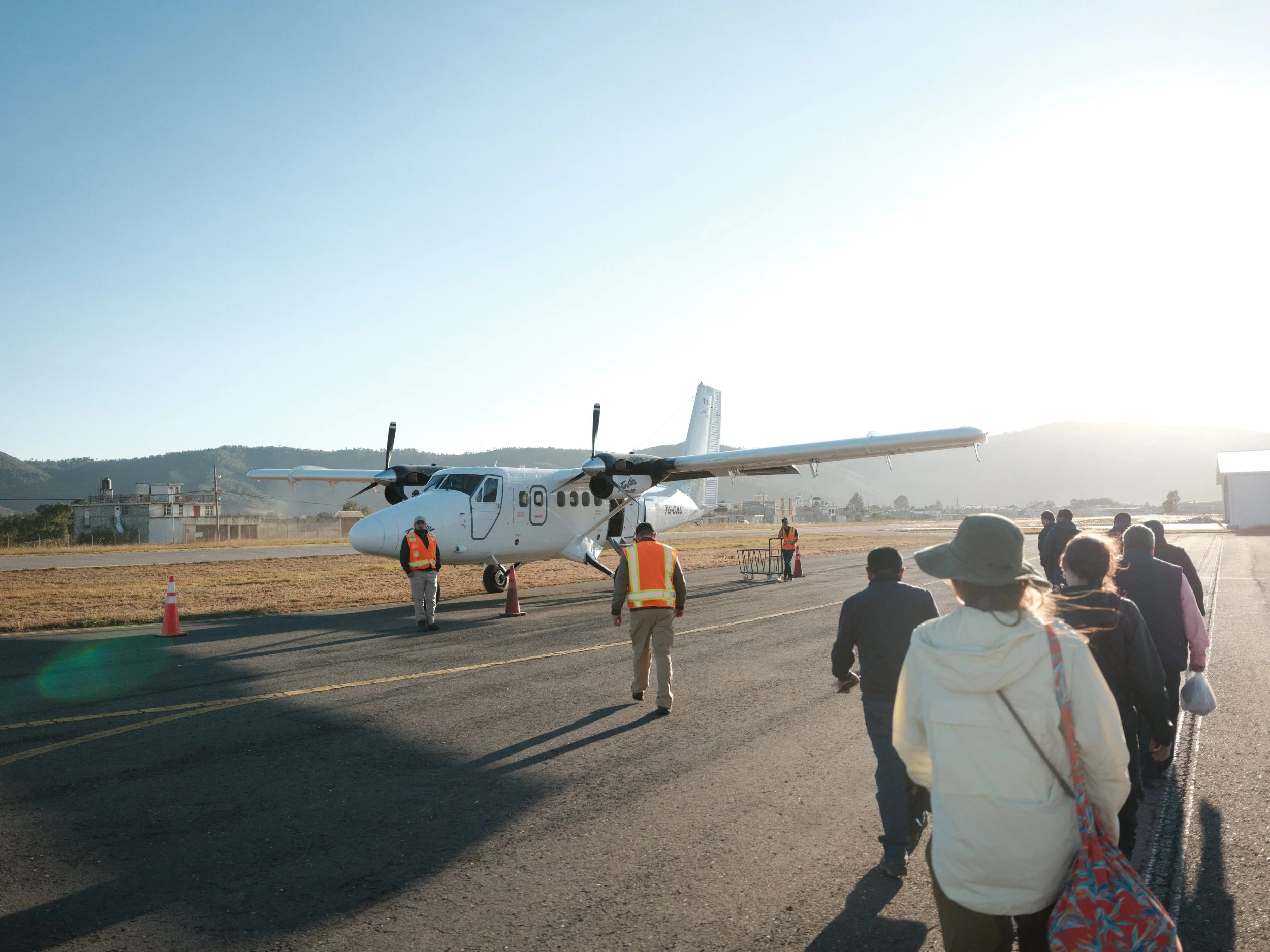
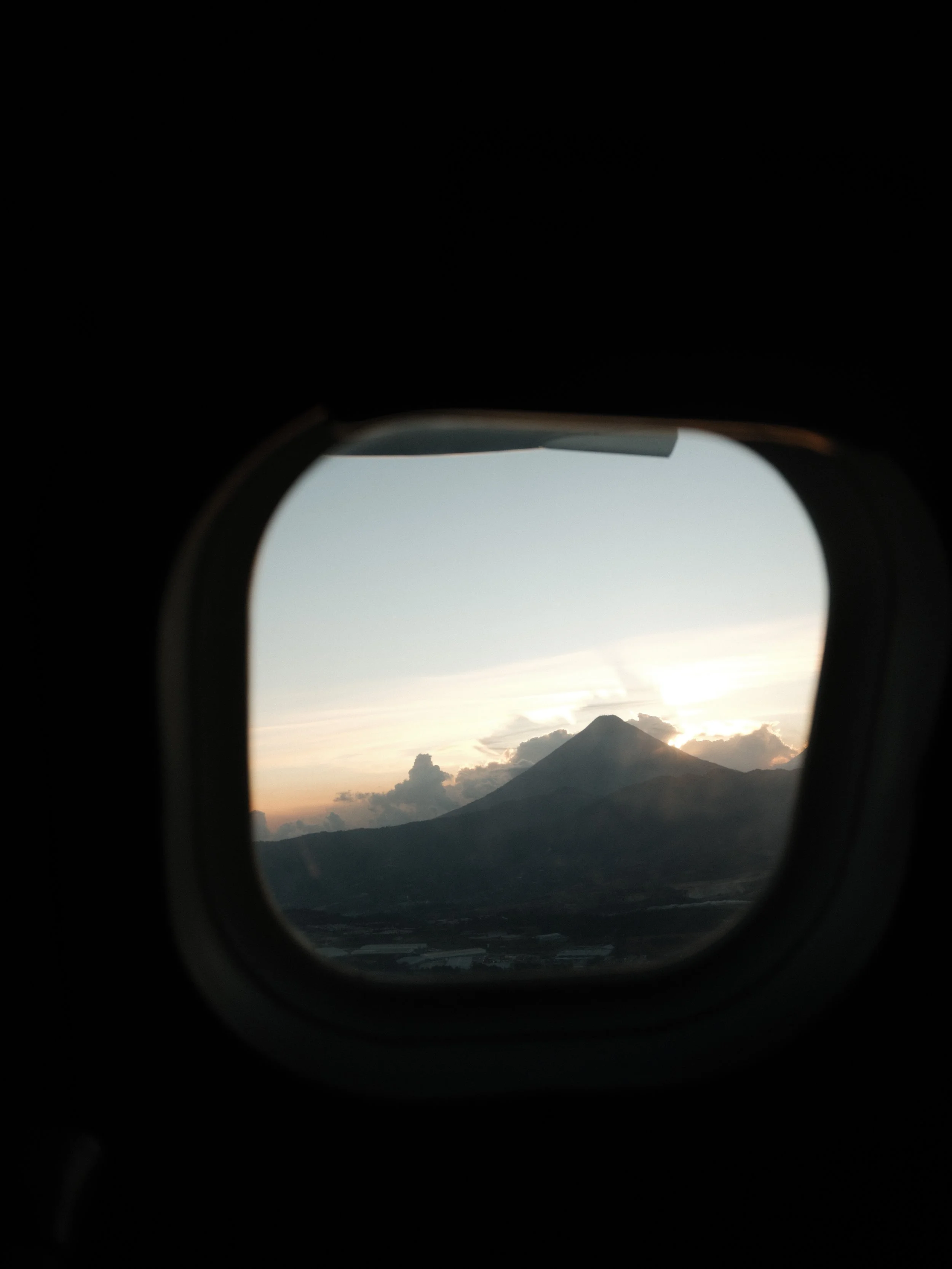
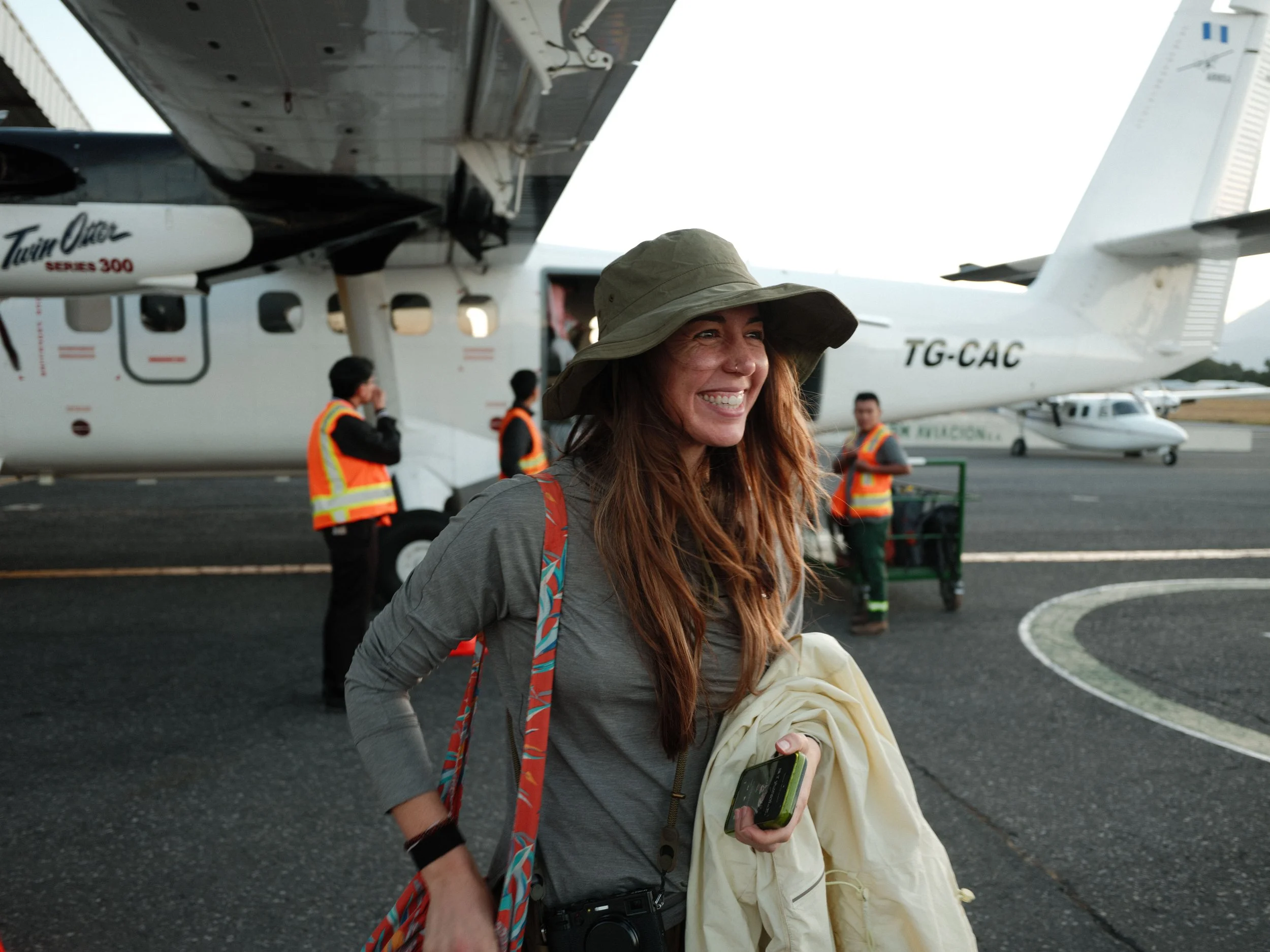
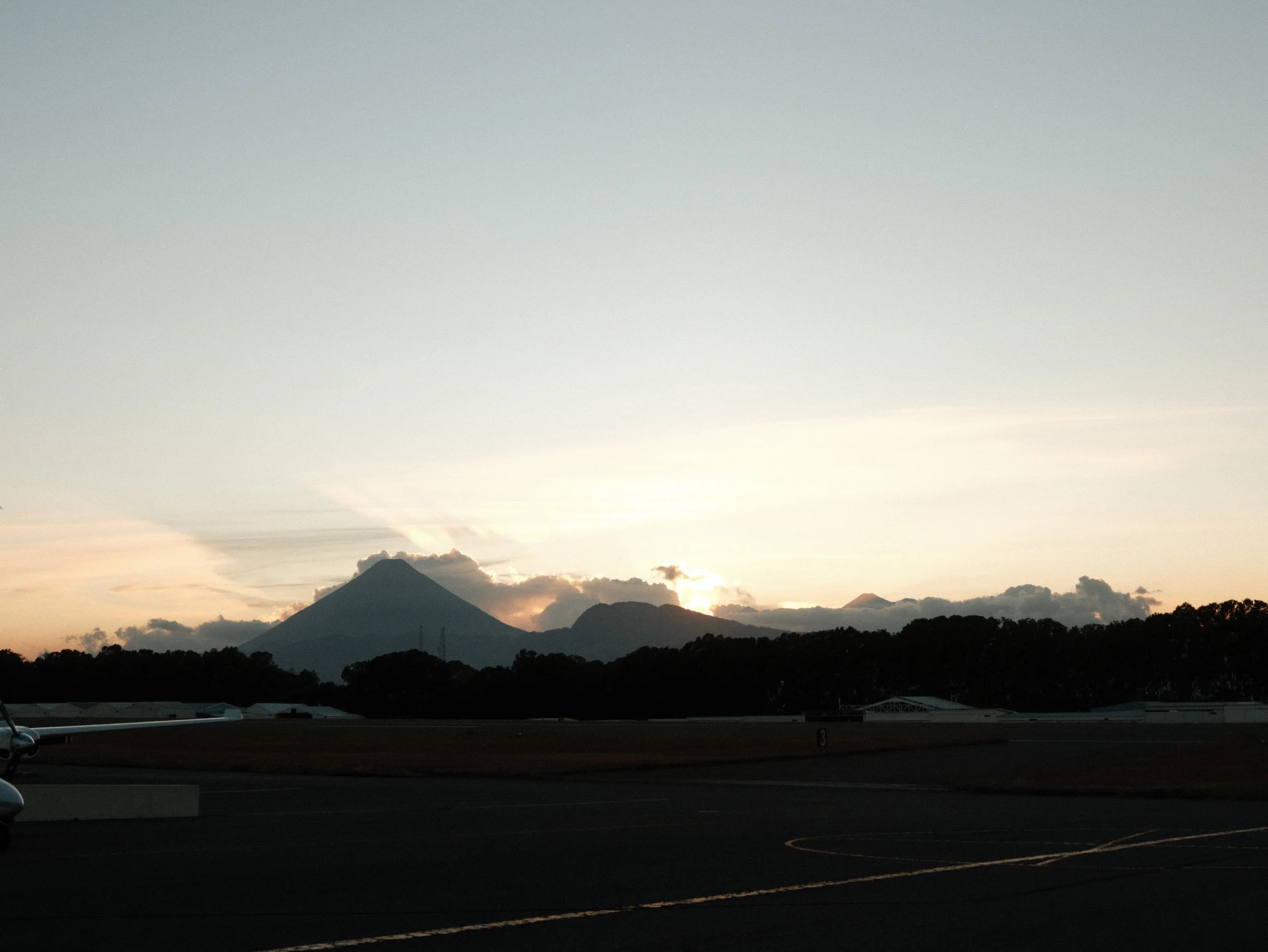
And just like that…we were back in the truck for our three-hour drive back to Huehue and our afternoon flight back to Guatemala City.
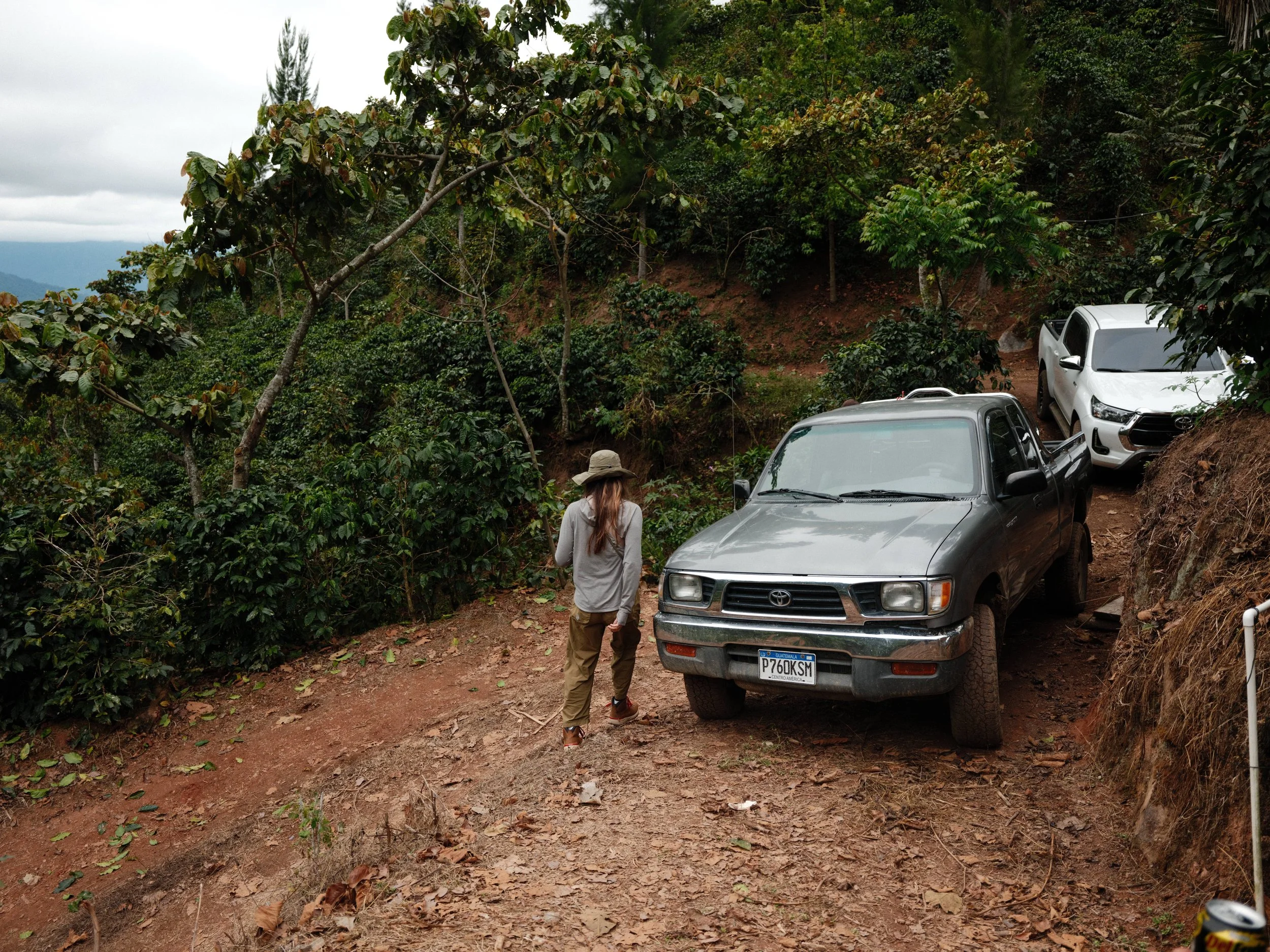
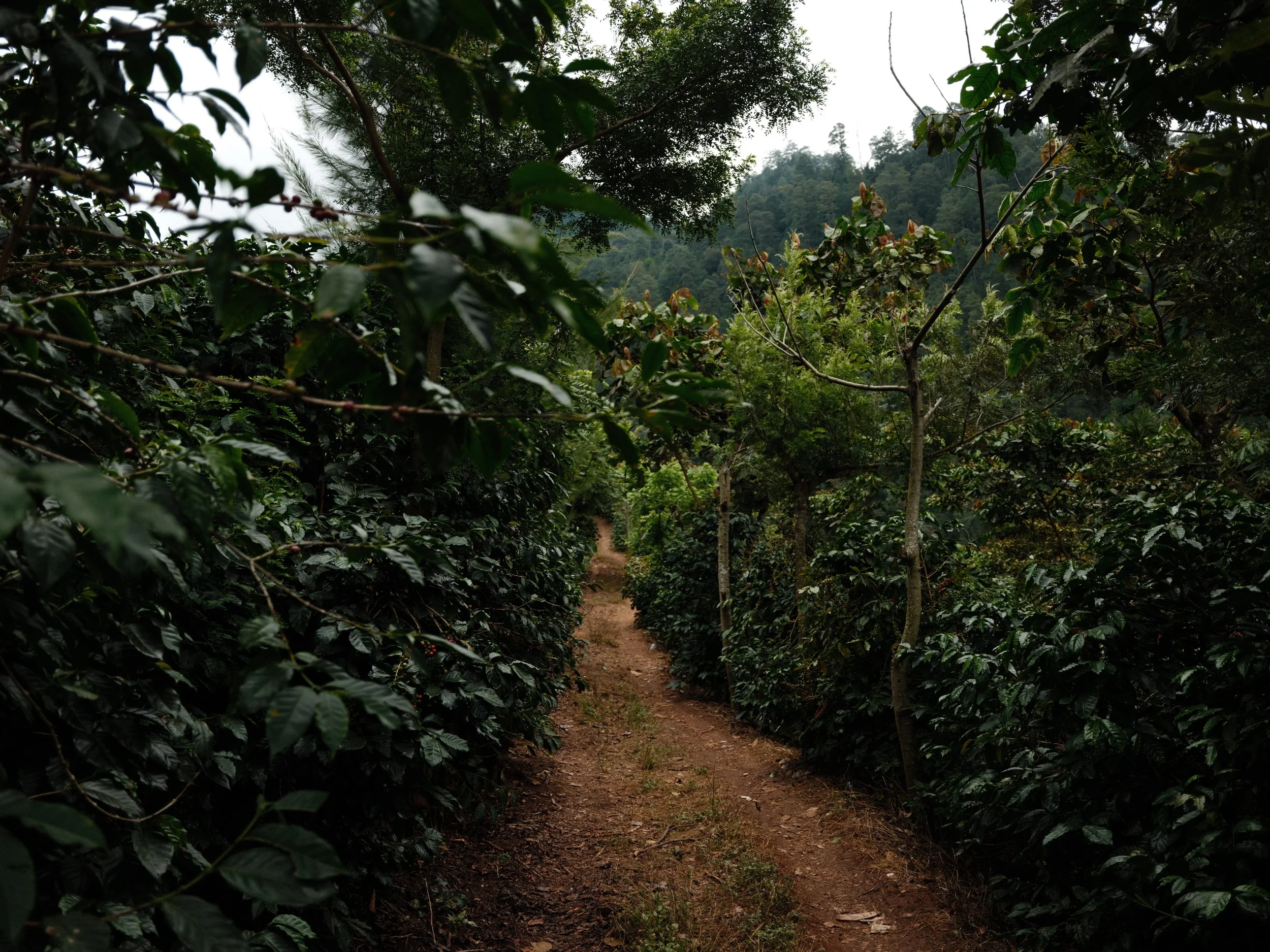
LA JOYA DRY MILL
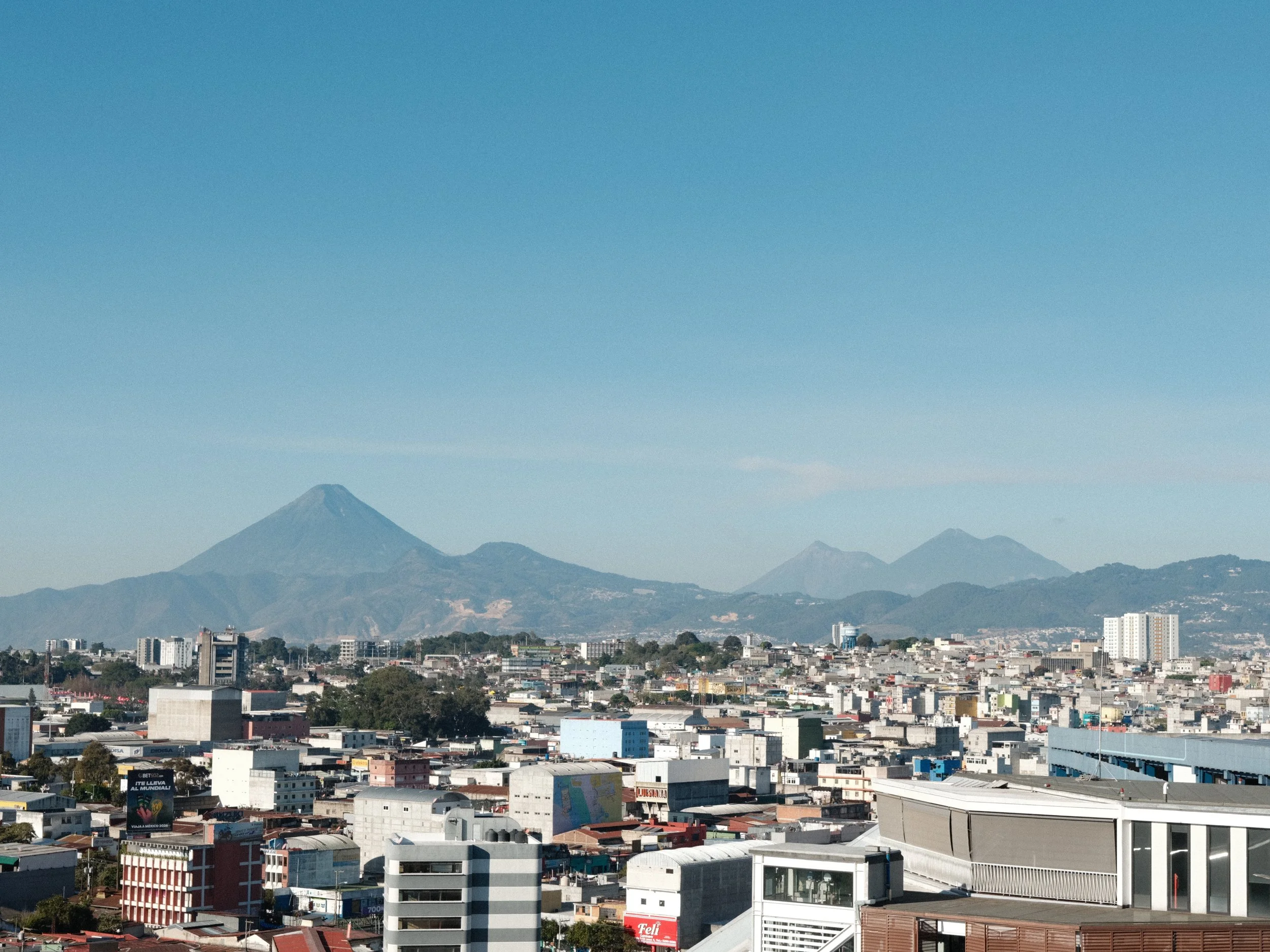
Friday marked our last full day in Guatemala, and we spent the morning at a brand-new, state-of-the-art dry mill in Guatemala City: La Joya.
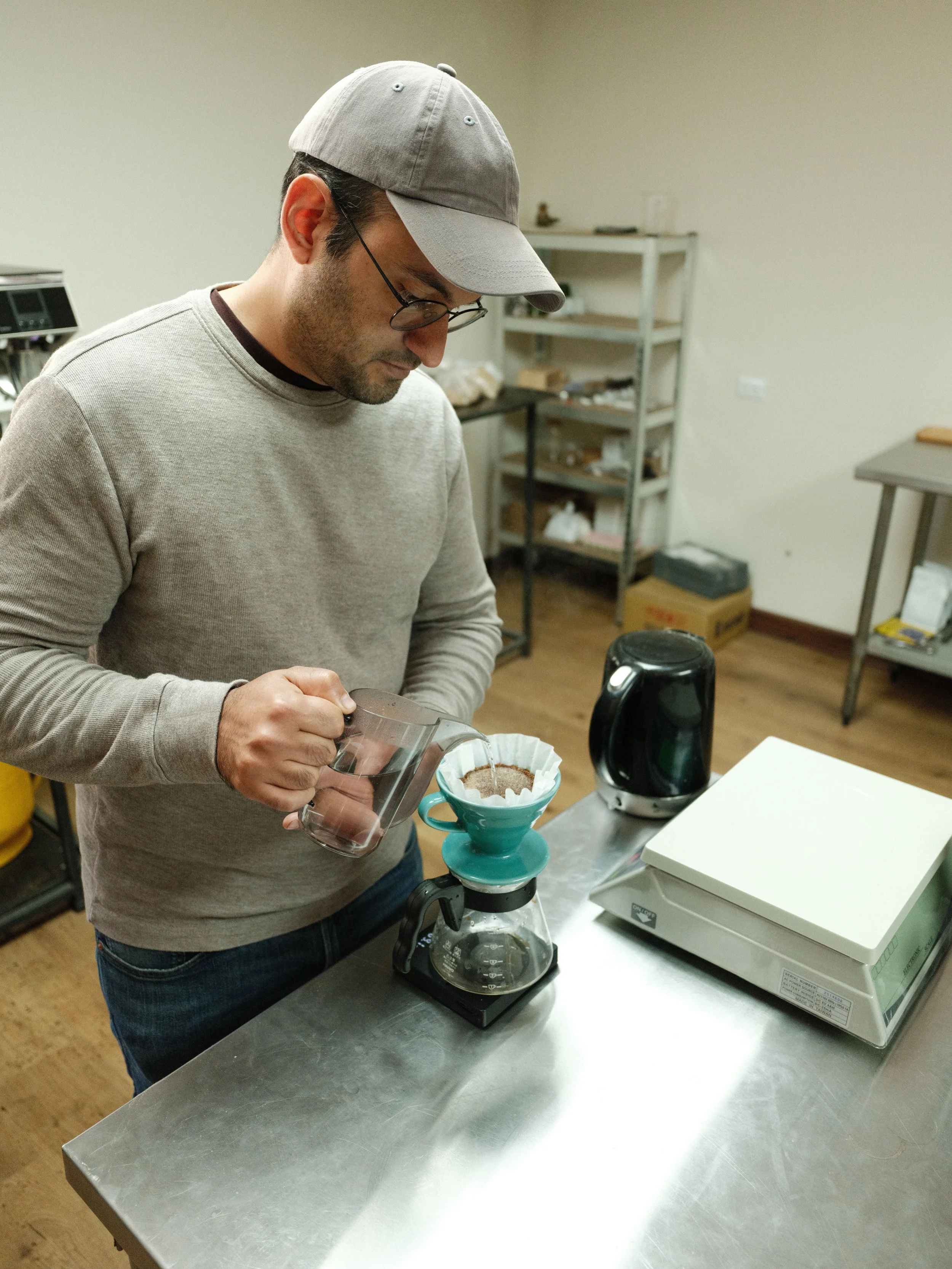
La Joya is owned by World Coffee Championship runner-up David Solano, and from the moment we arrived, it was clear we were in the presence of serious precision and craft. David welcomed us with a pour-over of his award-winning coffee—sourced from Colombia—which he had painstakingly imported as roasted coffee (just 10 pounds of it), because importing green coffee into Guatemala is not permitted. It was the perfect way to begin our final day.
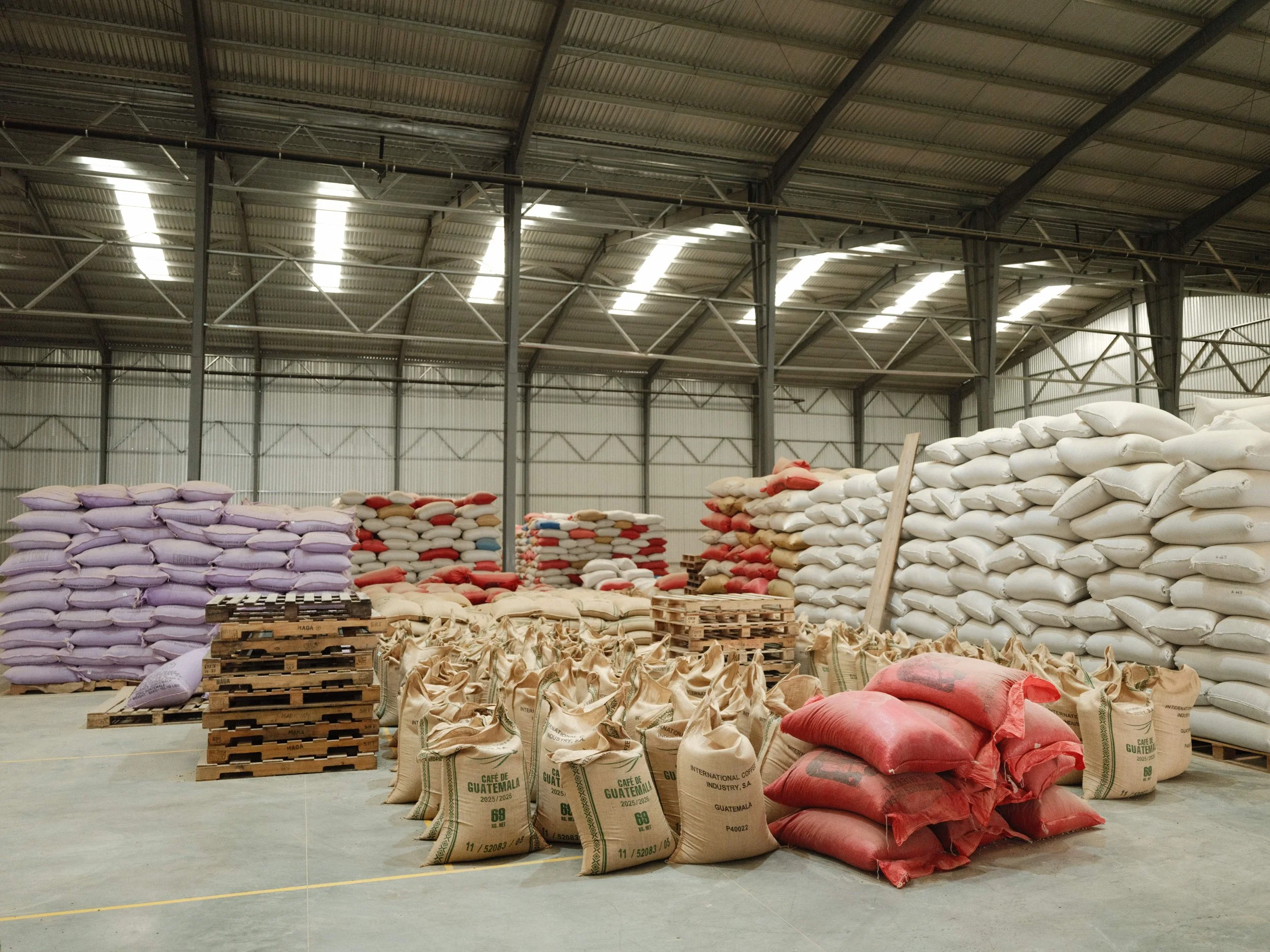
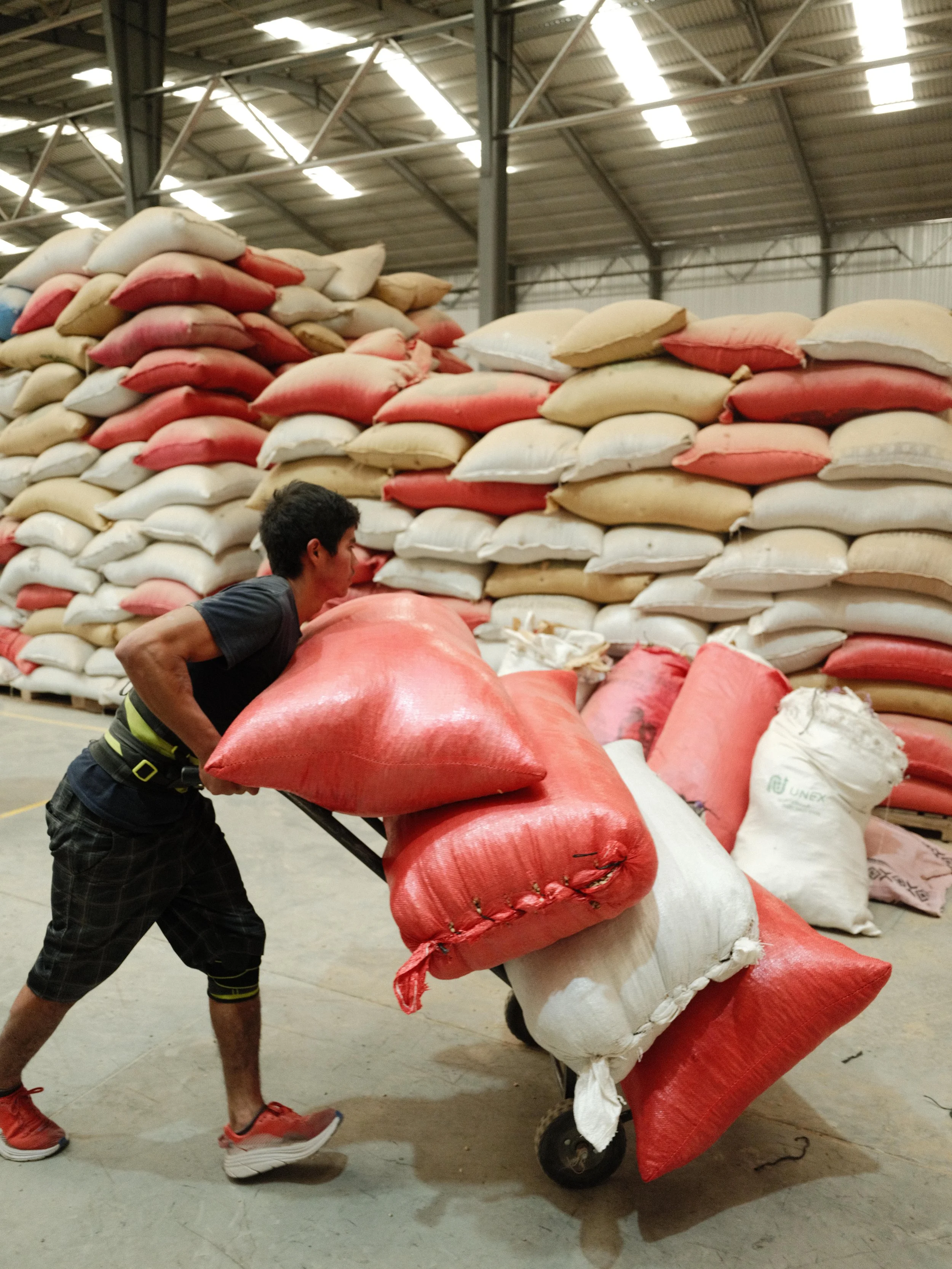
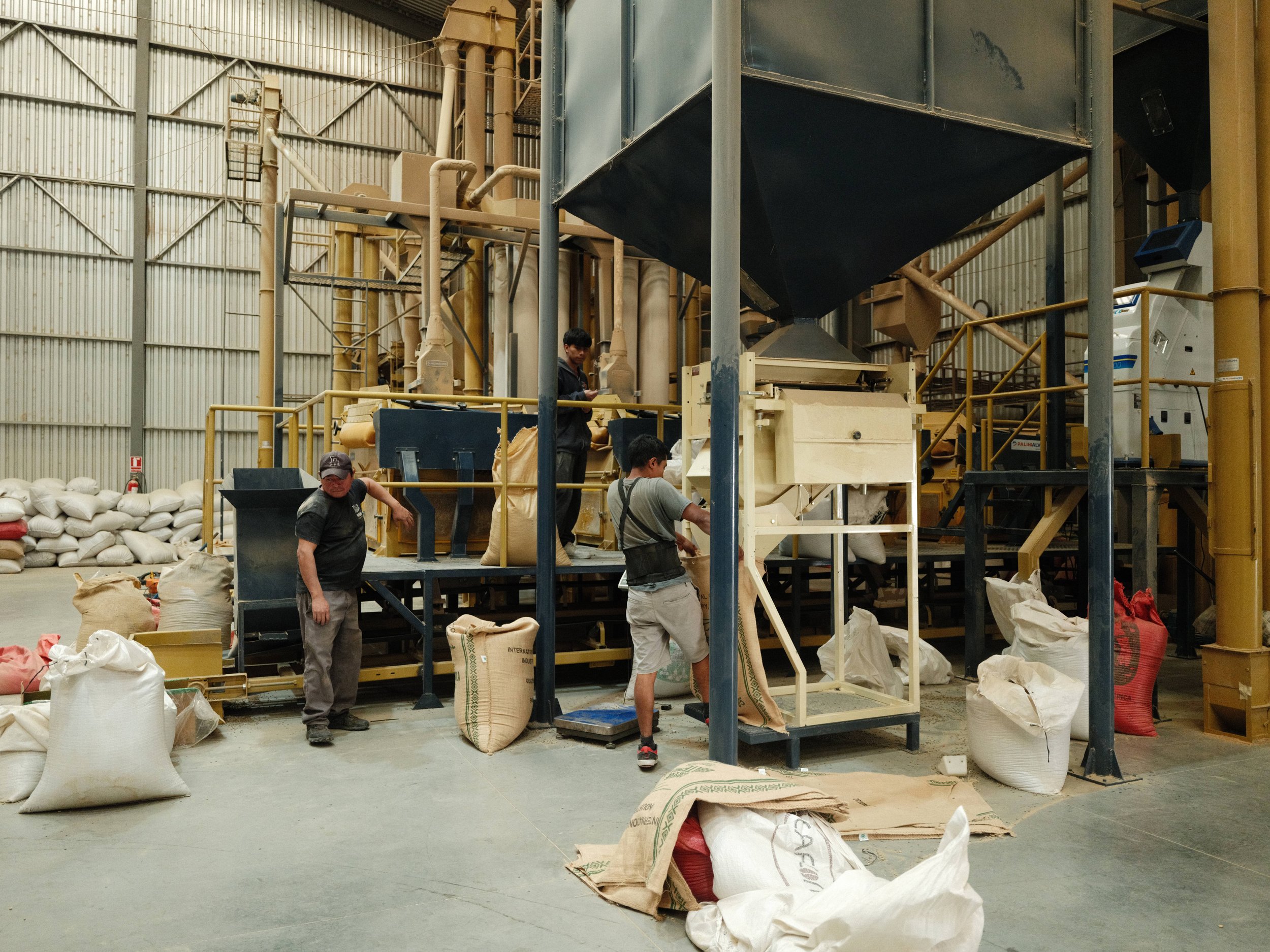
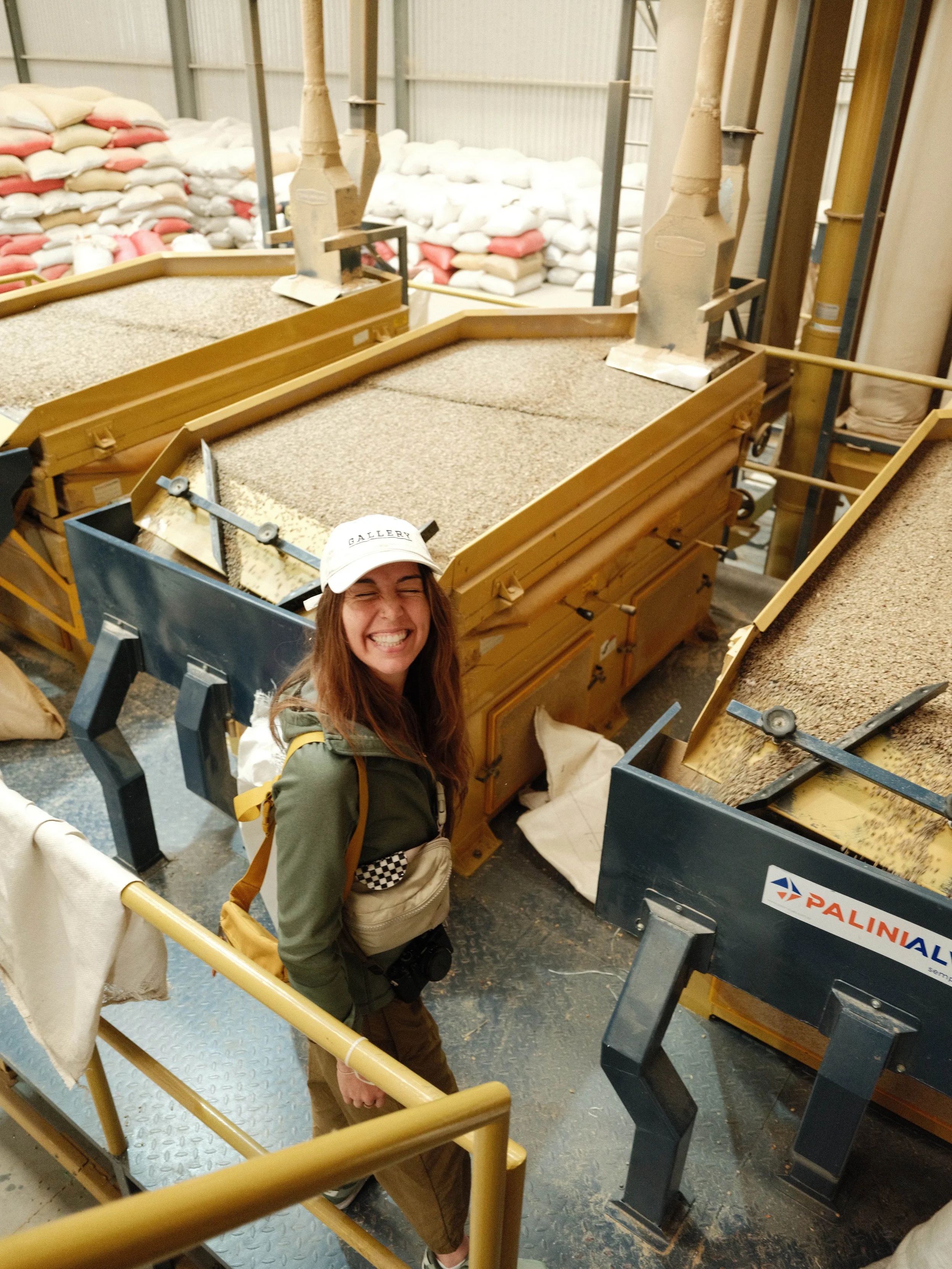
The warehouse—designed by David himself, who is also a mechanical engineer—was stacked high with coffee and buzzing with a handful of workers diligently moving, sorting, and organizing bags.
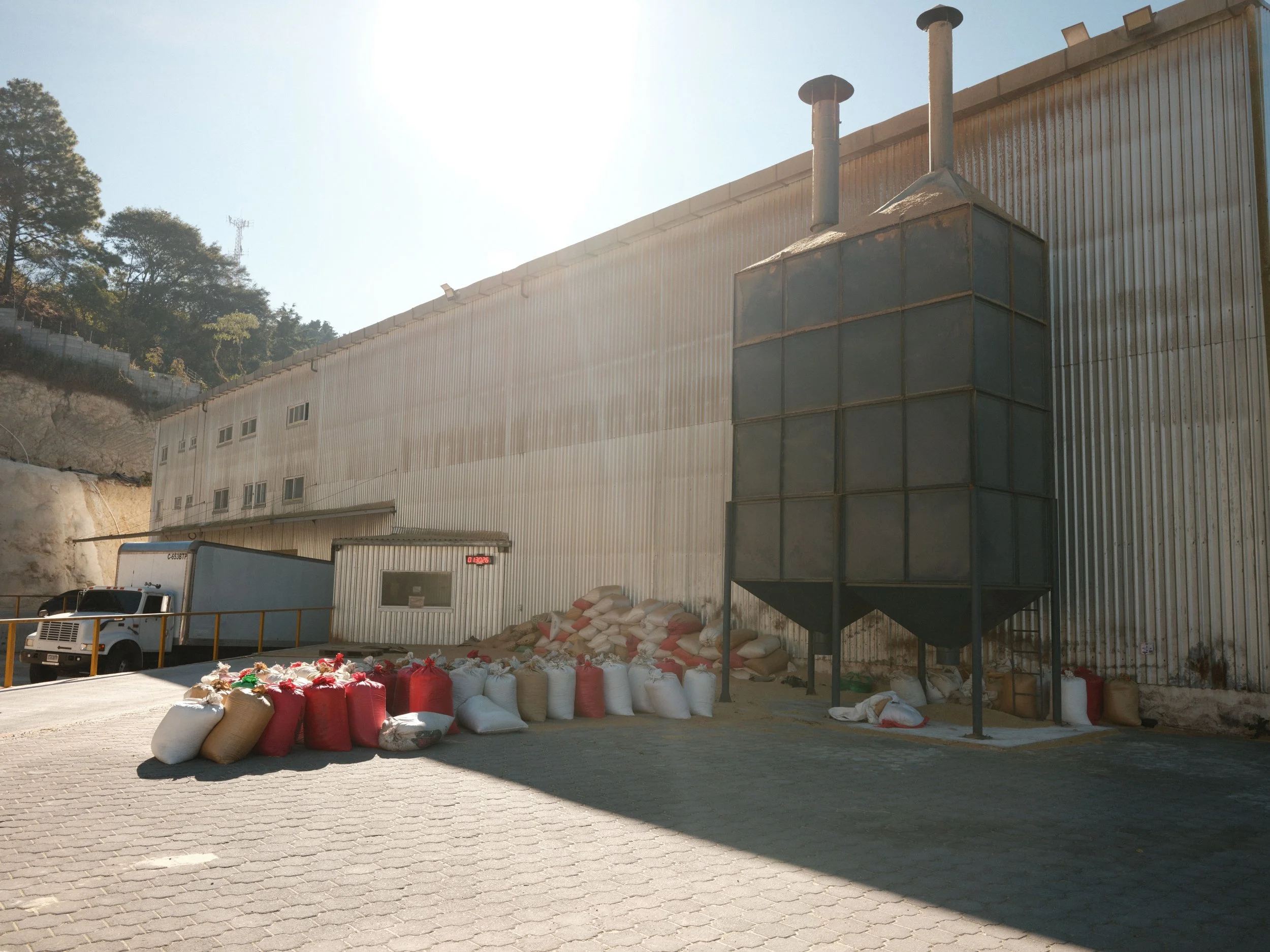
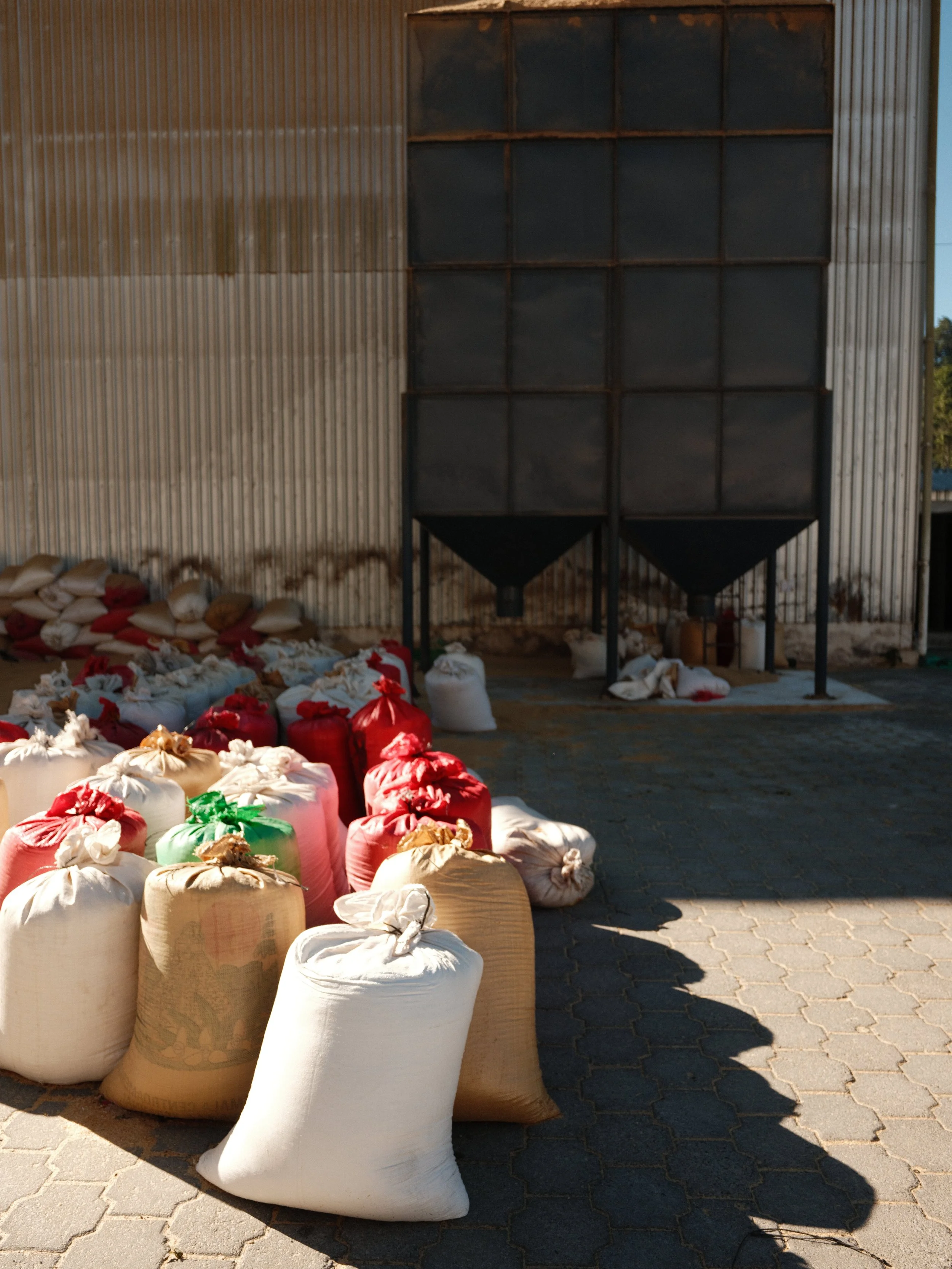
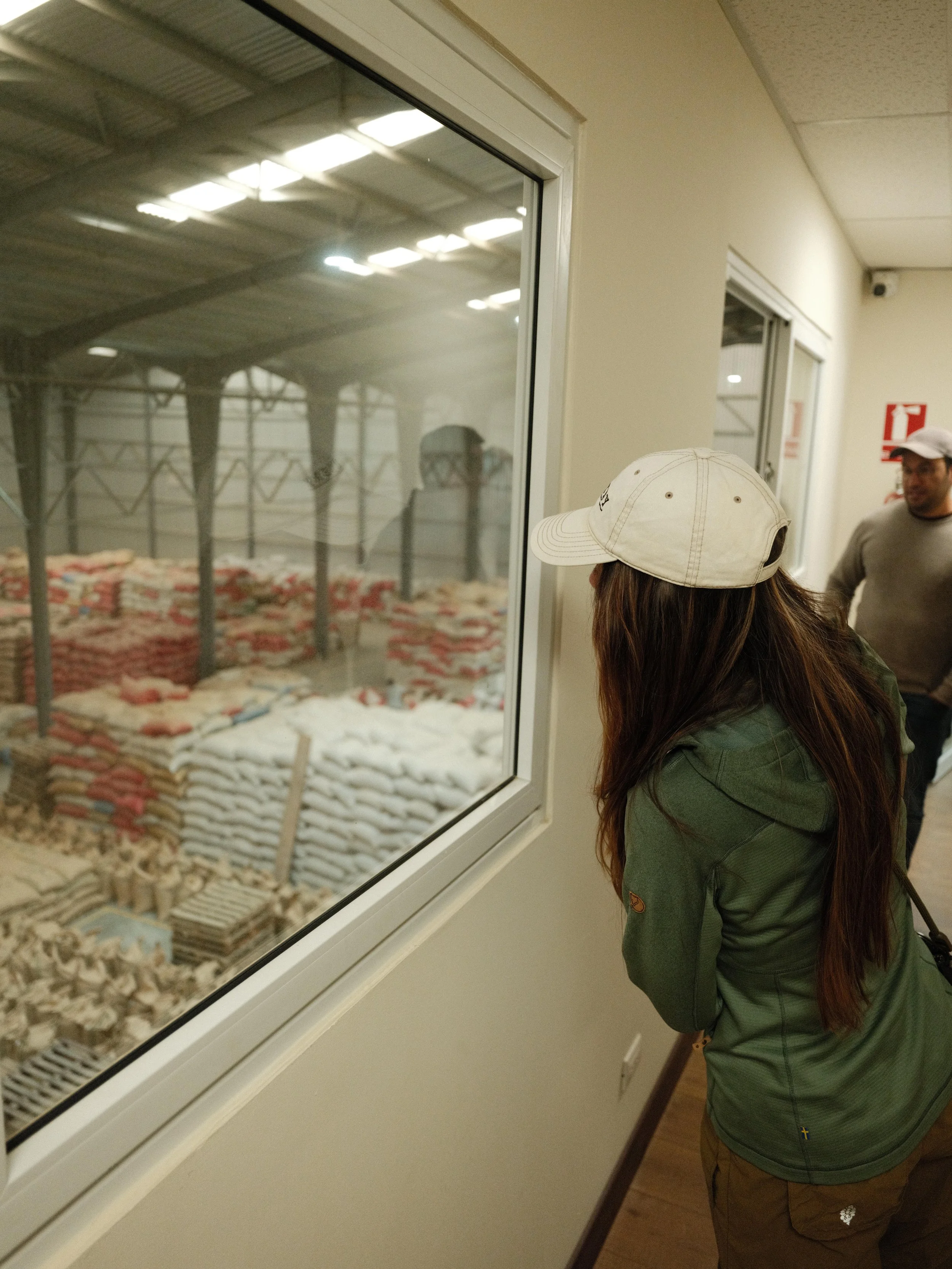
La Joya can mill roughly 500–600 pounds of coffee per hour, which is about one full shipping container, in an eight-hour day. For context, some of the largest mills in the world can process two to three containers per hour. But that’s by design. David focuses on higher-end, specialty coffees that demand hands-on care, tighter controls, and more precise equipment. Slower, in this case, means better.
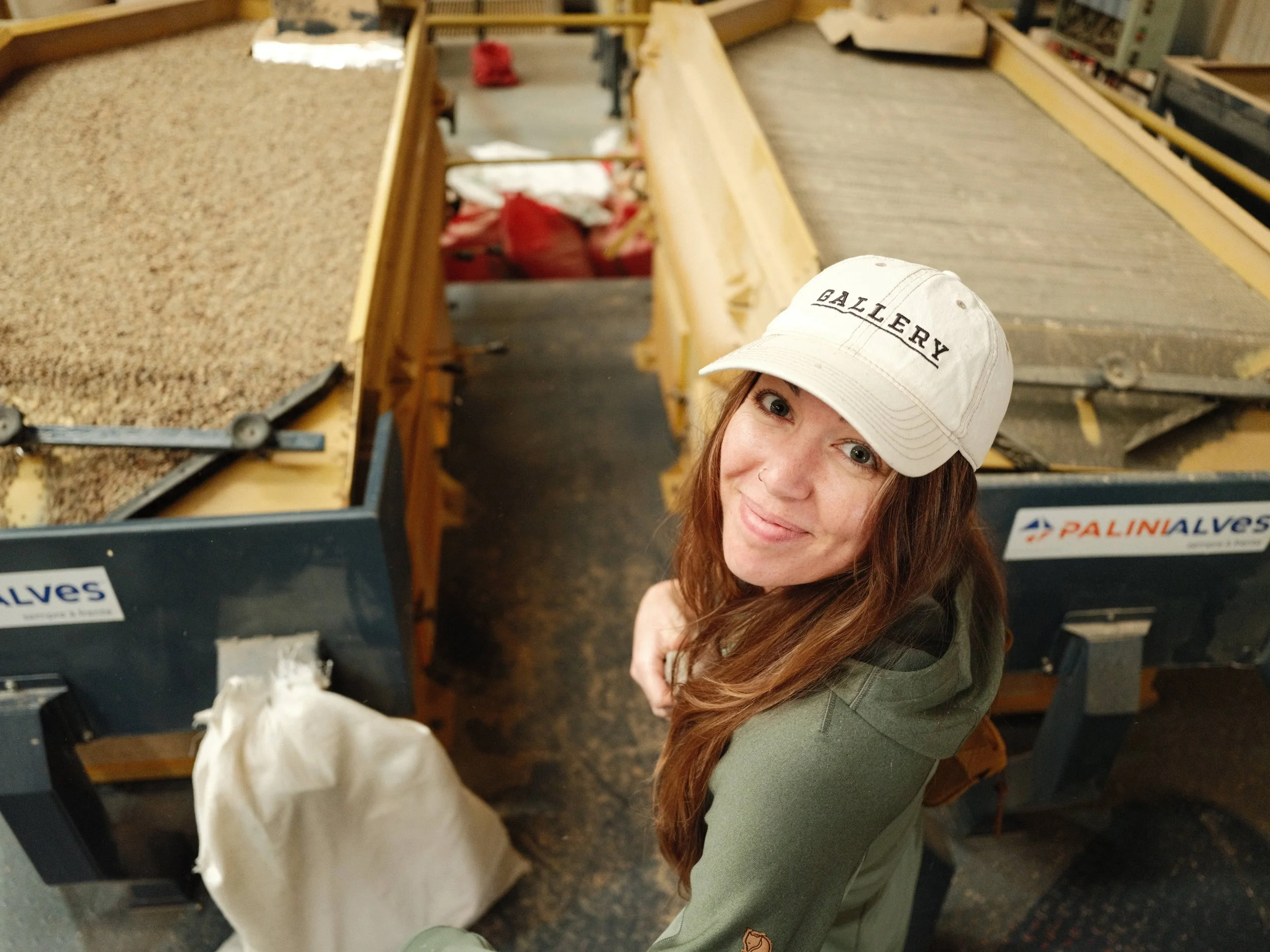
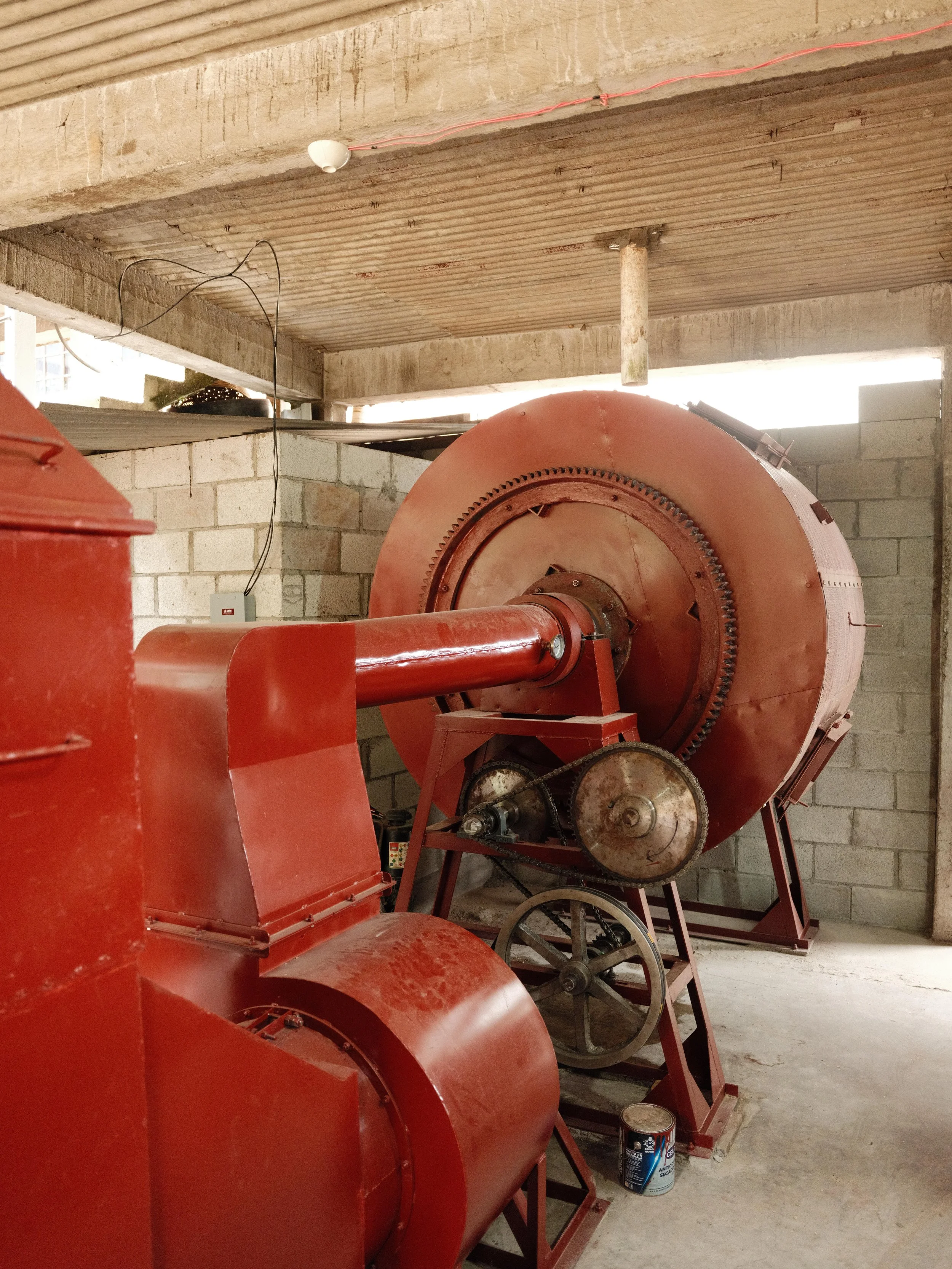
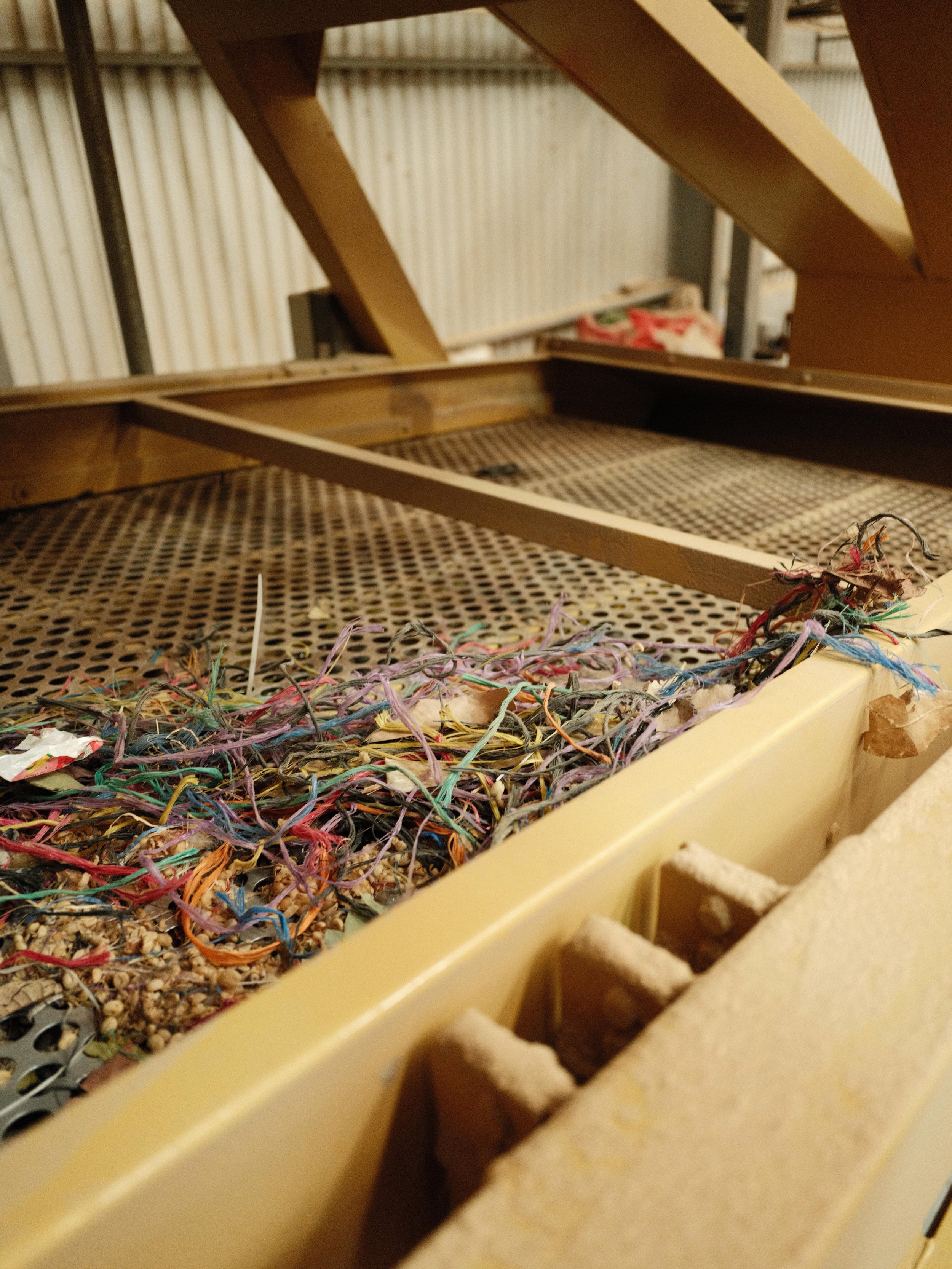
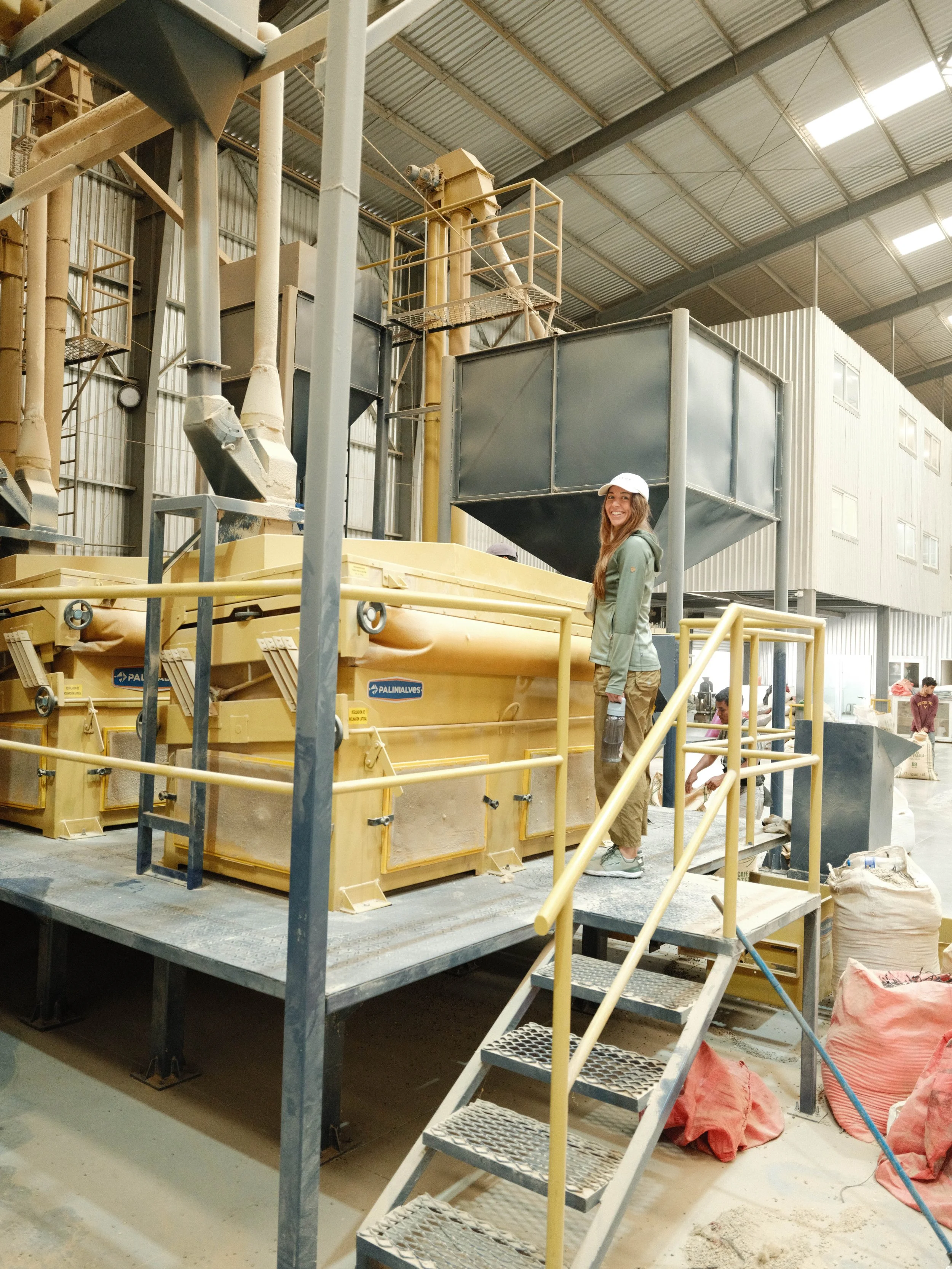
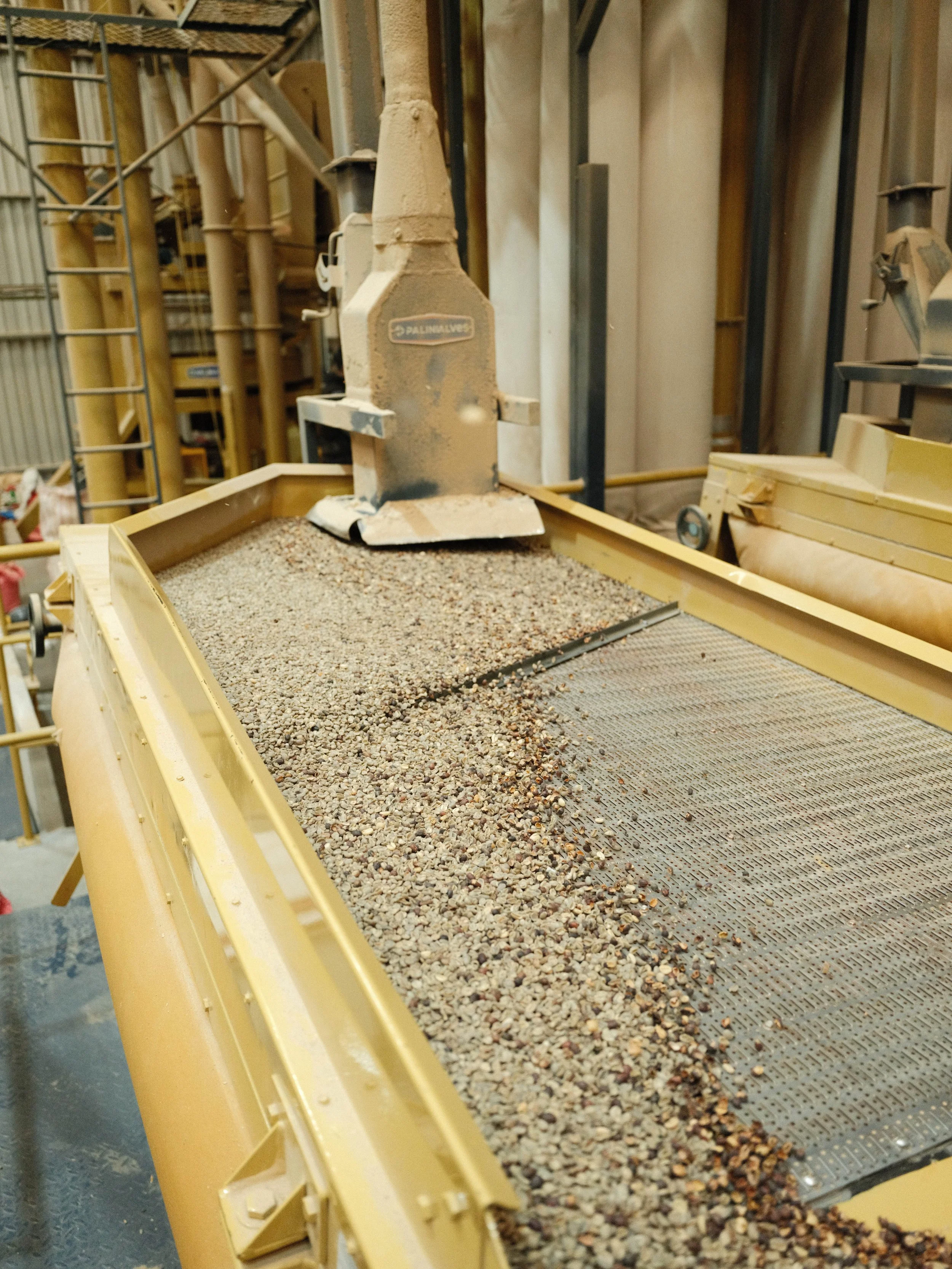
Walking through the dry mill was like seeing the industrial-scale version of what we’d learned earlier in Huehuetenango. Coffee arrives dried in parchment and is first dumped into a large receiving pit, where it’s vacuumed upward into a series of sorting machines. Machines separate out debris like rocks, twine, and leaves, before the coffee moves into the miller, which removes the outer parchment layer and reveals the green coffee bean we recognize back at the shop.
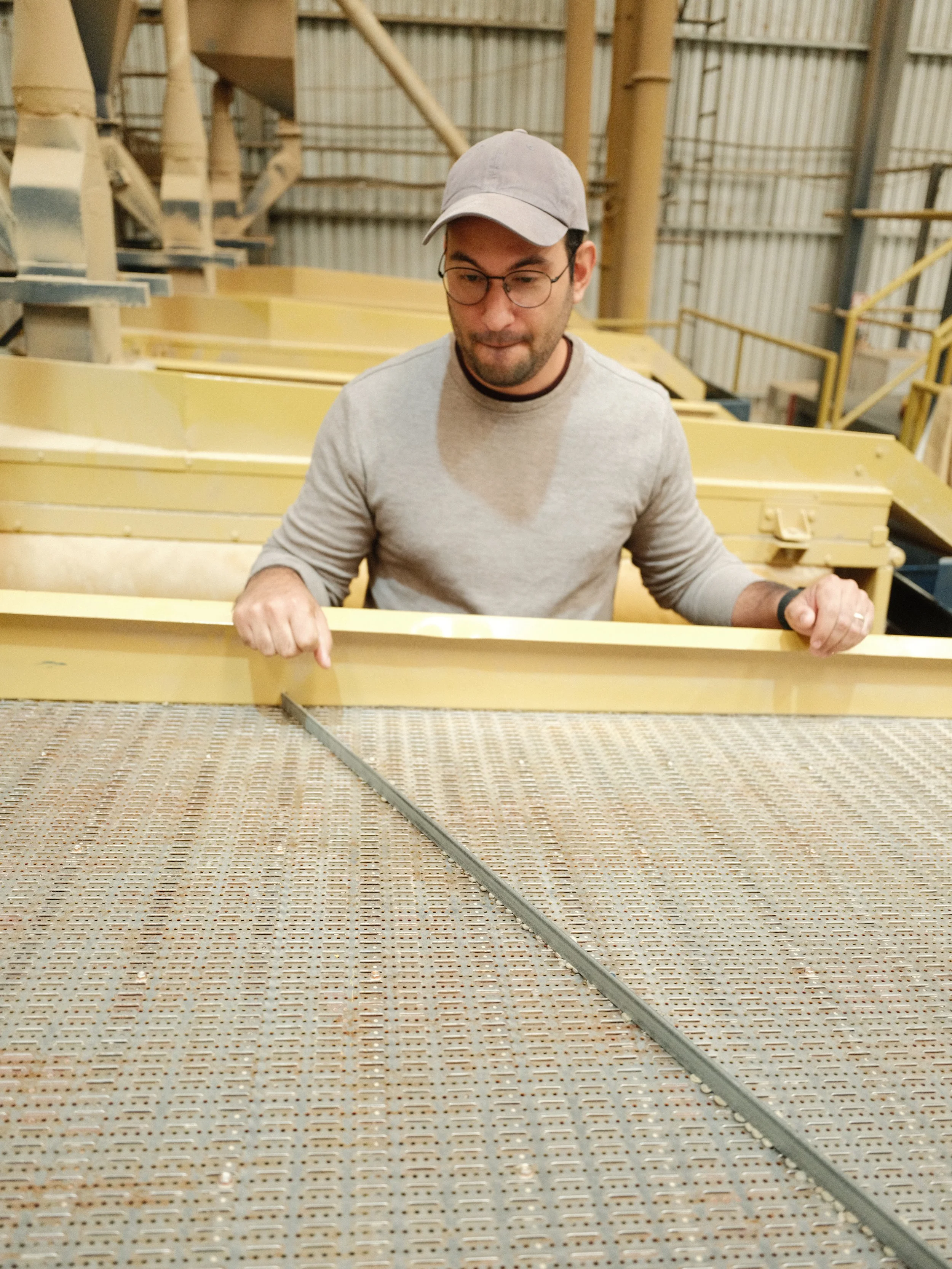
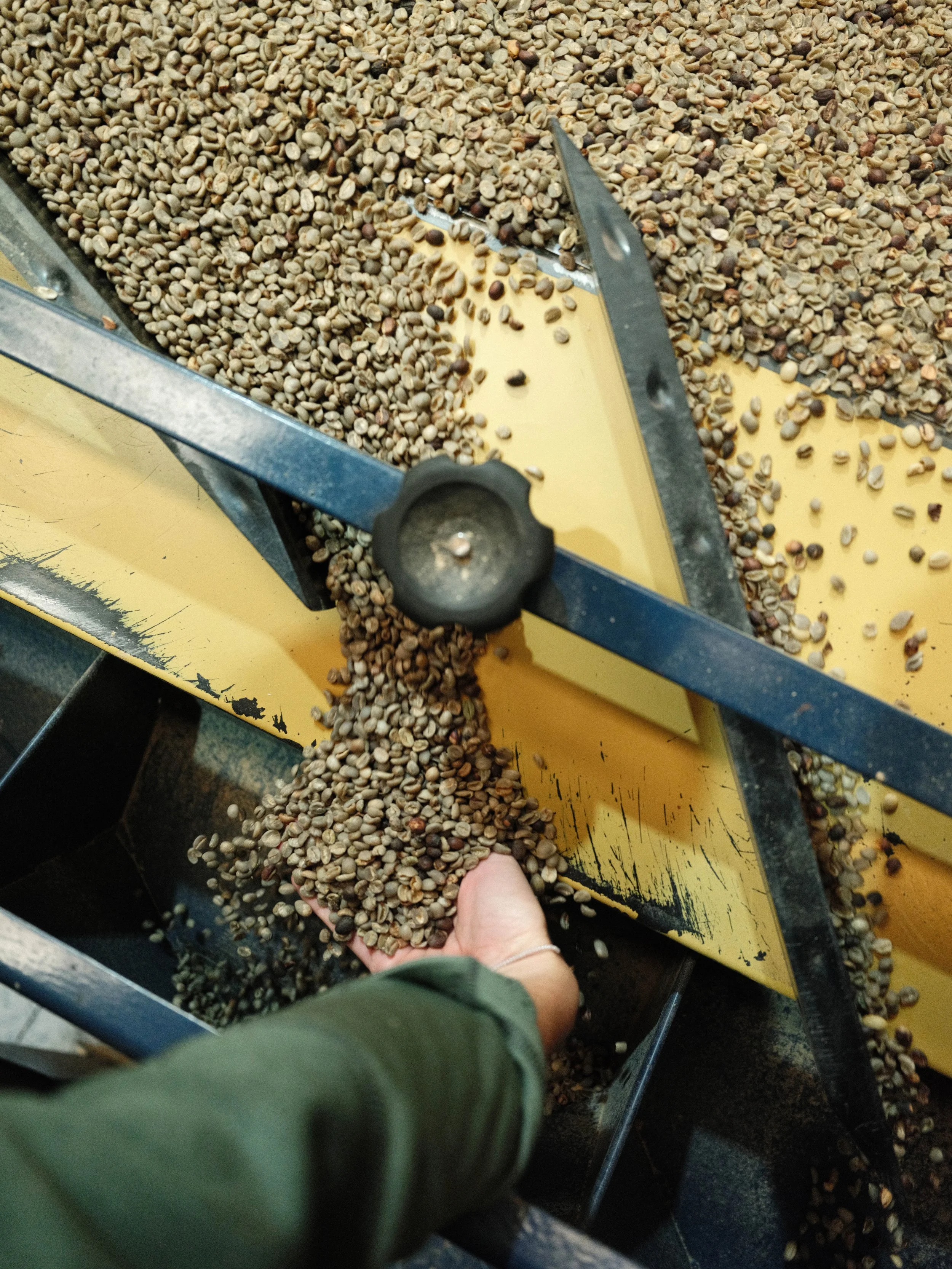
Up next, a series of screens separate beans by size, leaving the largest, densest beans to funnel into bags that will be sealed and shipped out. Beans that don’t make the cut are bagged separately and sold for a fraction of the final rate.
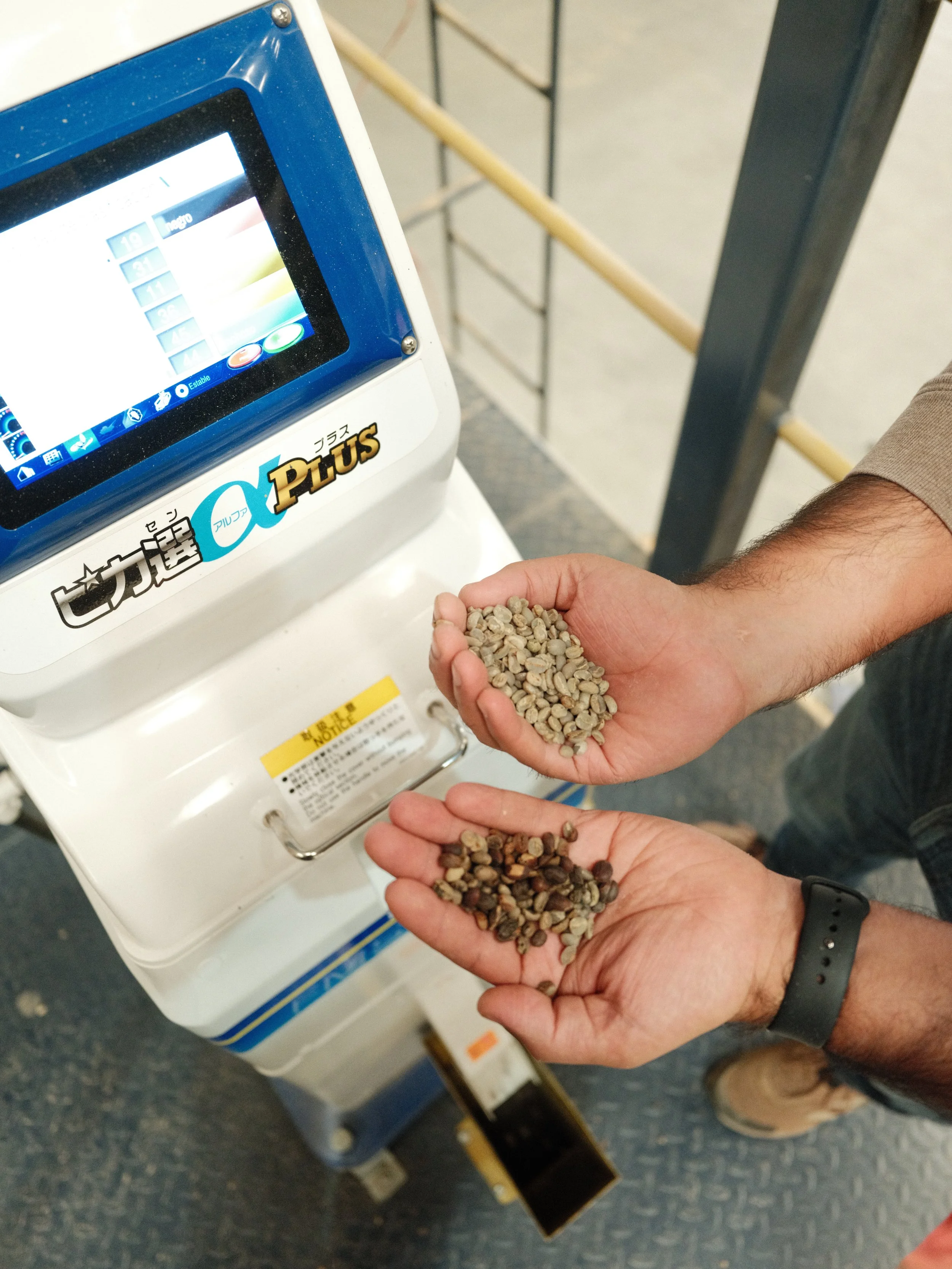
Lastly, there was an optional step that blew out minds: a color sorter. As beans race through the machine, sensors read the color of each individual bean—thousands per second. If a bean falls outside the programmed range, a precise jet of air instantly shoots it out of the line (uhm, insane). Watching it work felt almost unreal. Tiny bursts of air correcting imperfections faster than the eye can track.
All of this to get green coffee ready for its final voyage to shops like ours.
FAREWELL TO GUATEMALA
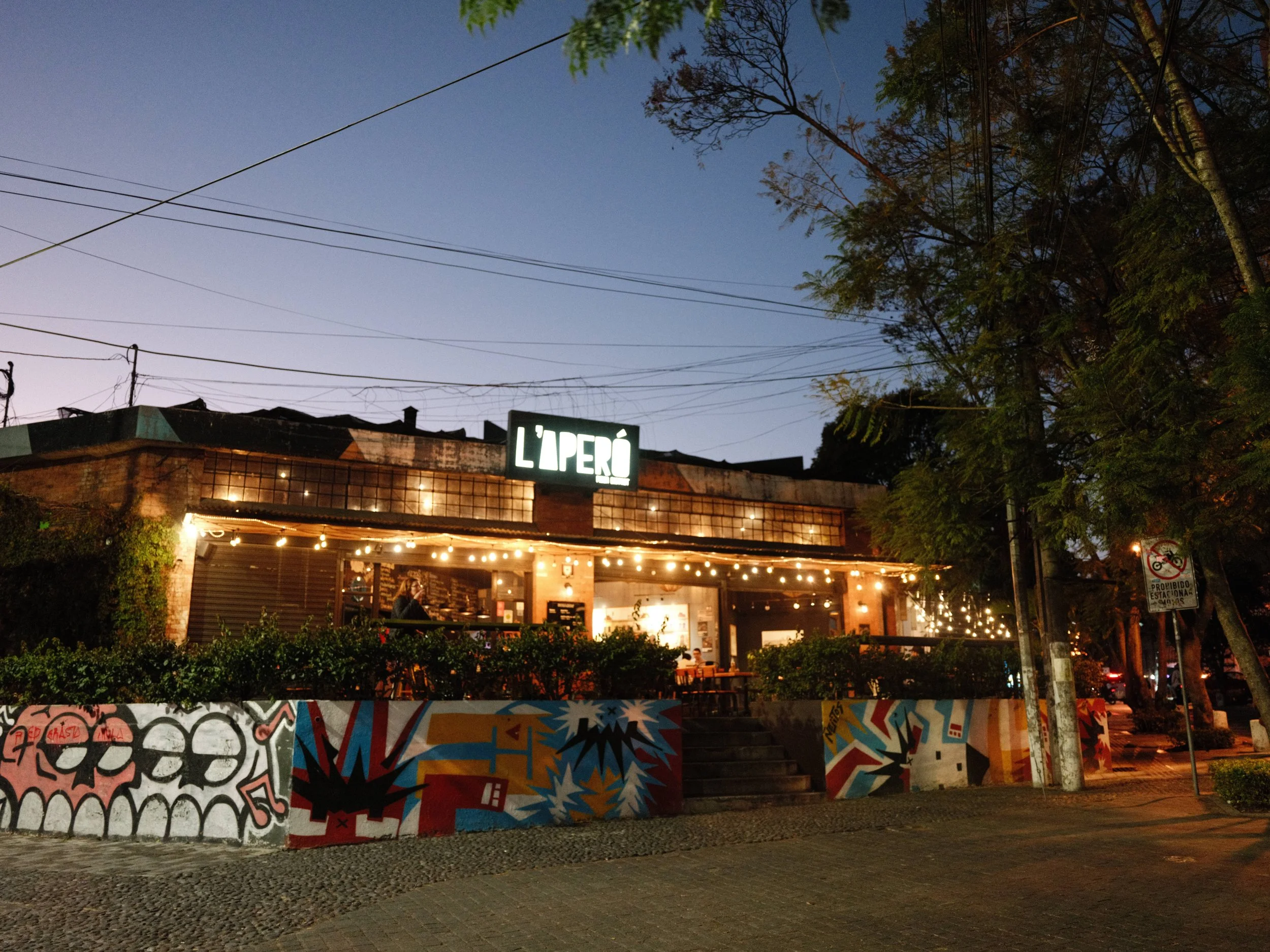
We spent our final morning in Guatemala the only way we know how: at coffee shops. First, 12 Onzas beneath the Onyx office—owned by David Solano—with its mouth-watering brunch menu and perfectly executed flat whites, then Family Bonds in Zone 16, where we’re still thinking about that affogato and perfectly flaky croissants.
And just like that, Guatemala Origin Trip 2026 was a wrap.
This truly was the trip of a lifetime. A decade of relationships, curiosity, and hard work culminated in a week we’ll never forget. A heartfelt thank you to our friends at Onyx Coffee, Oscar and Rachel, for organizing such an intentional, meaningful experience. And muchísimas gracias to the Villatoro family and to David for welcoming us so generously. We left inspired, grateful, and already dreaming about our return.
If you’d like to taste the story for yourself, both Villatoro coffees are available now: Rodin Villatoro’s rare Yellow Bourbon and Pedro Villatoro’s washed Guayabales lot (online and in the shop).