Gallery Coffee Origin Trip: Villatoros in Guatemala (Part I)
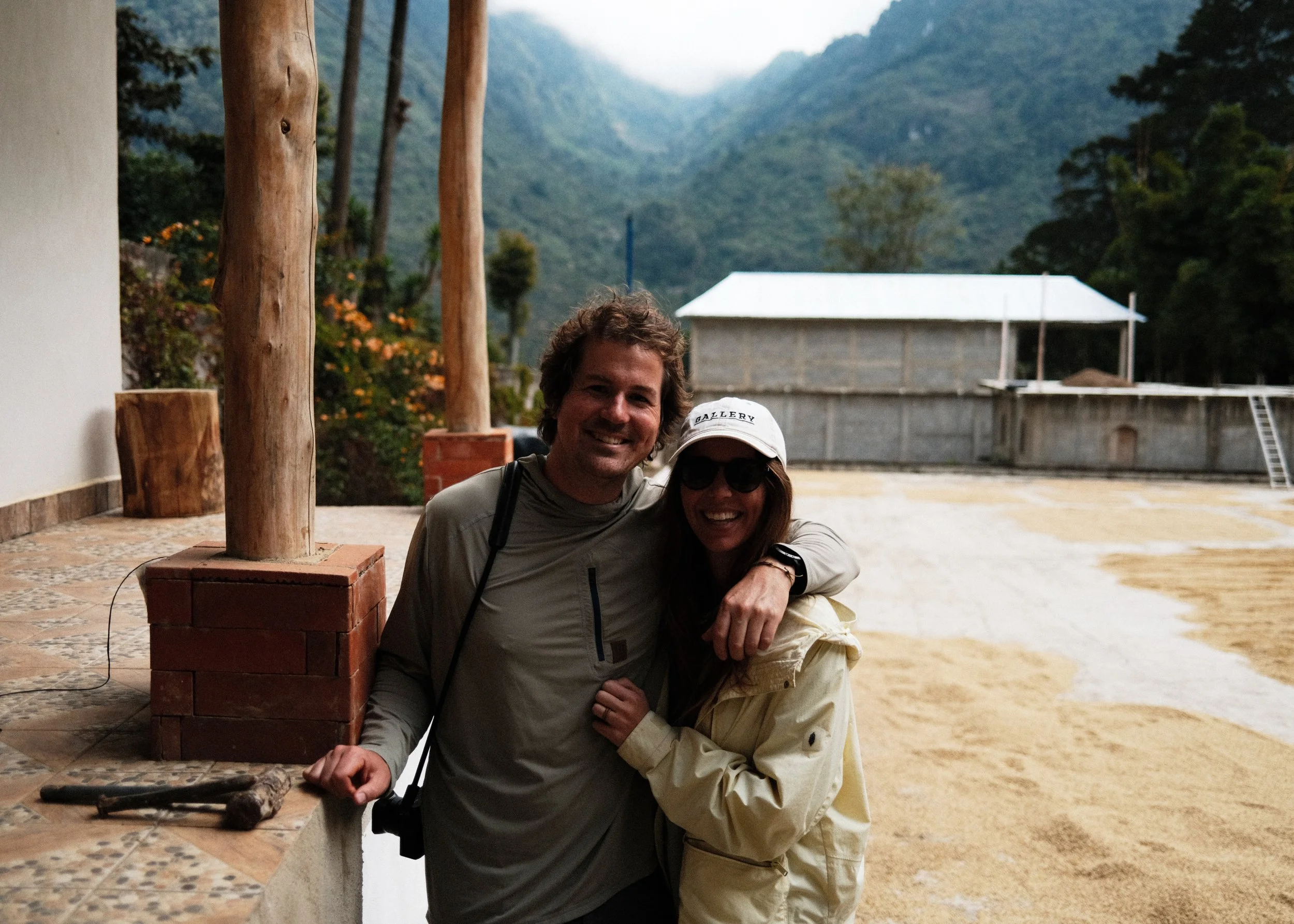
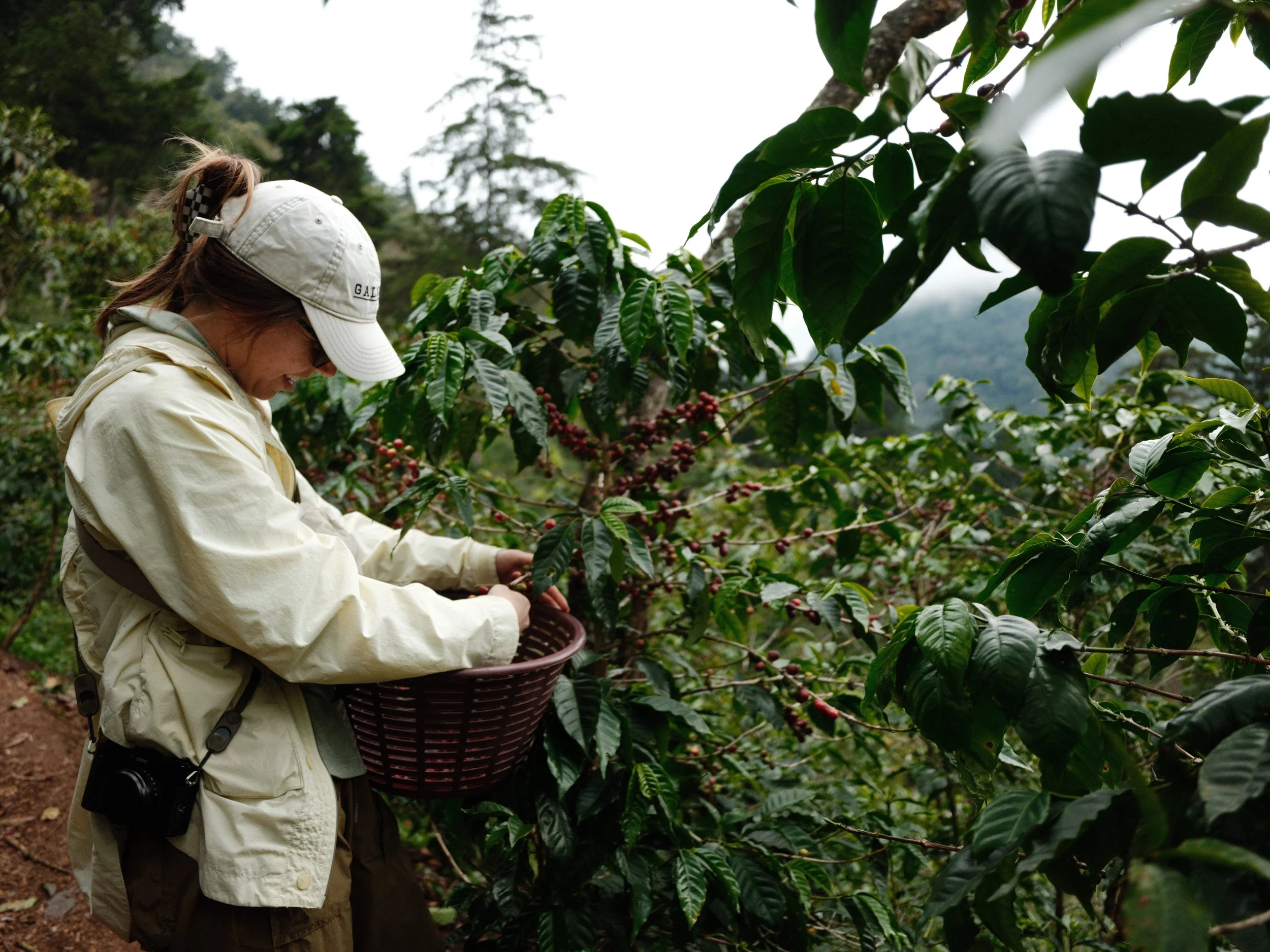
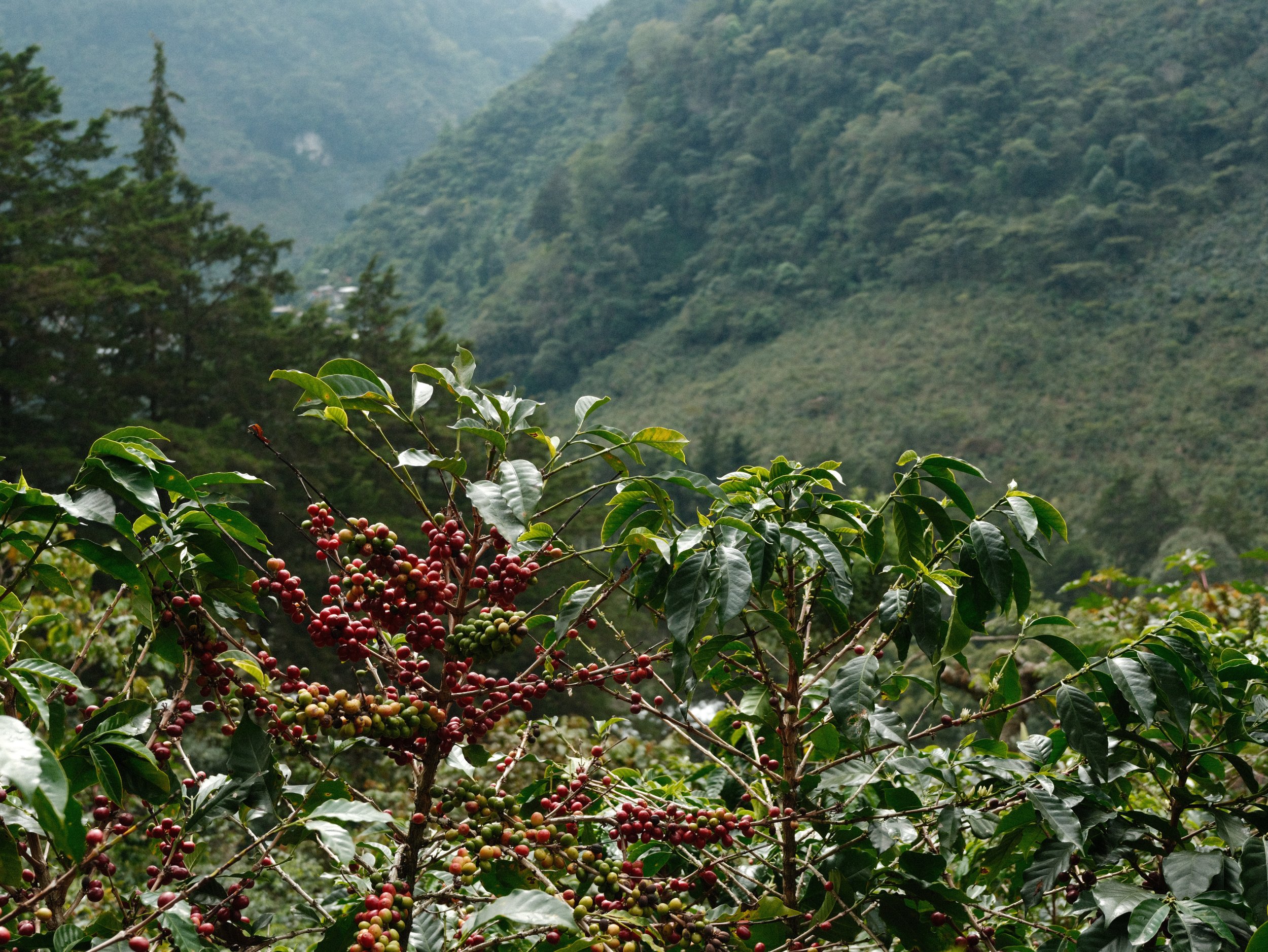
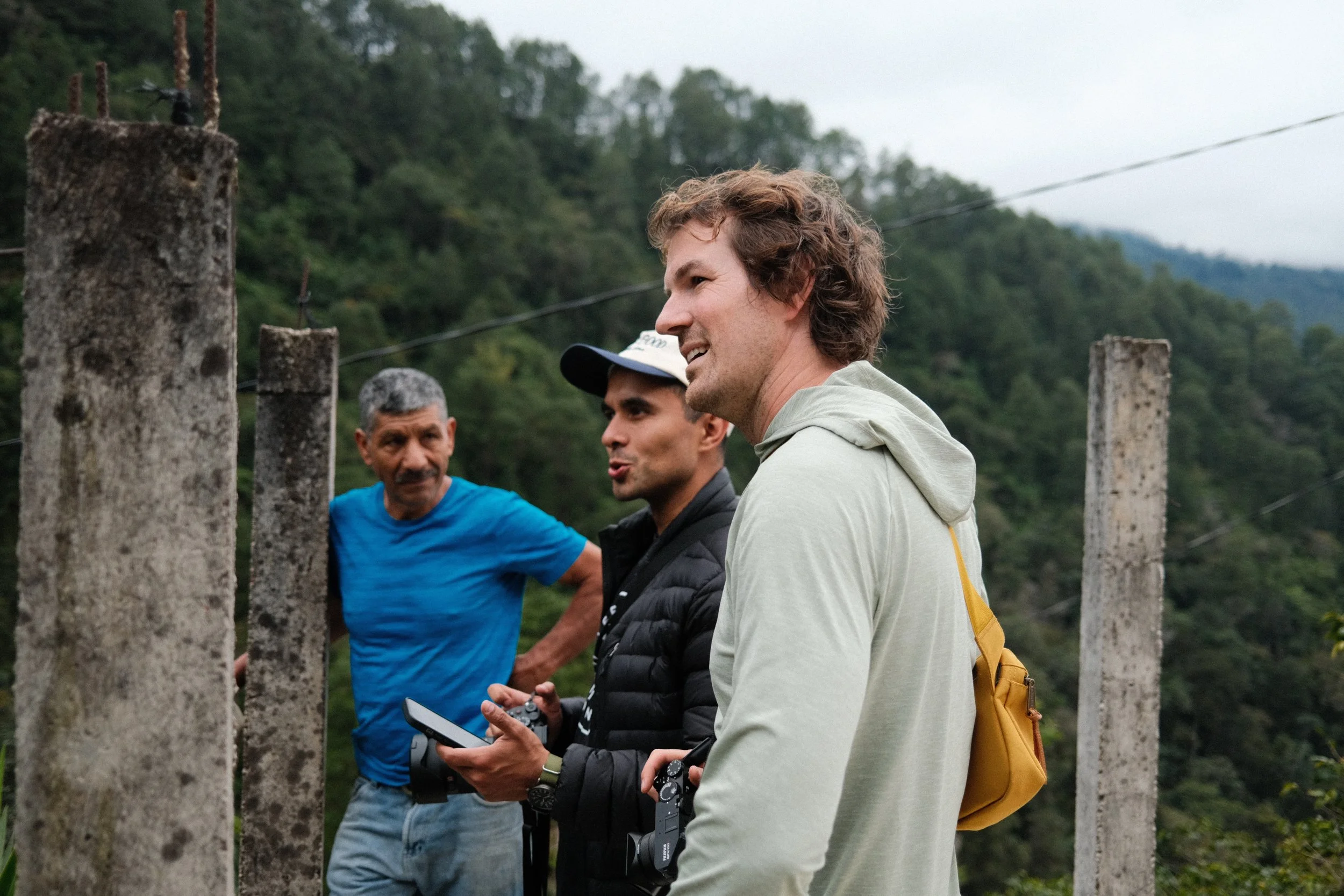
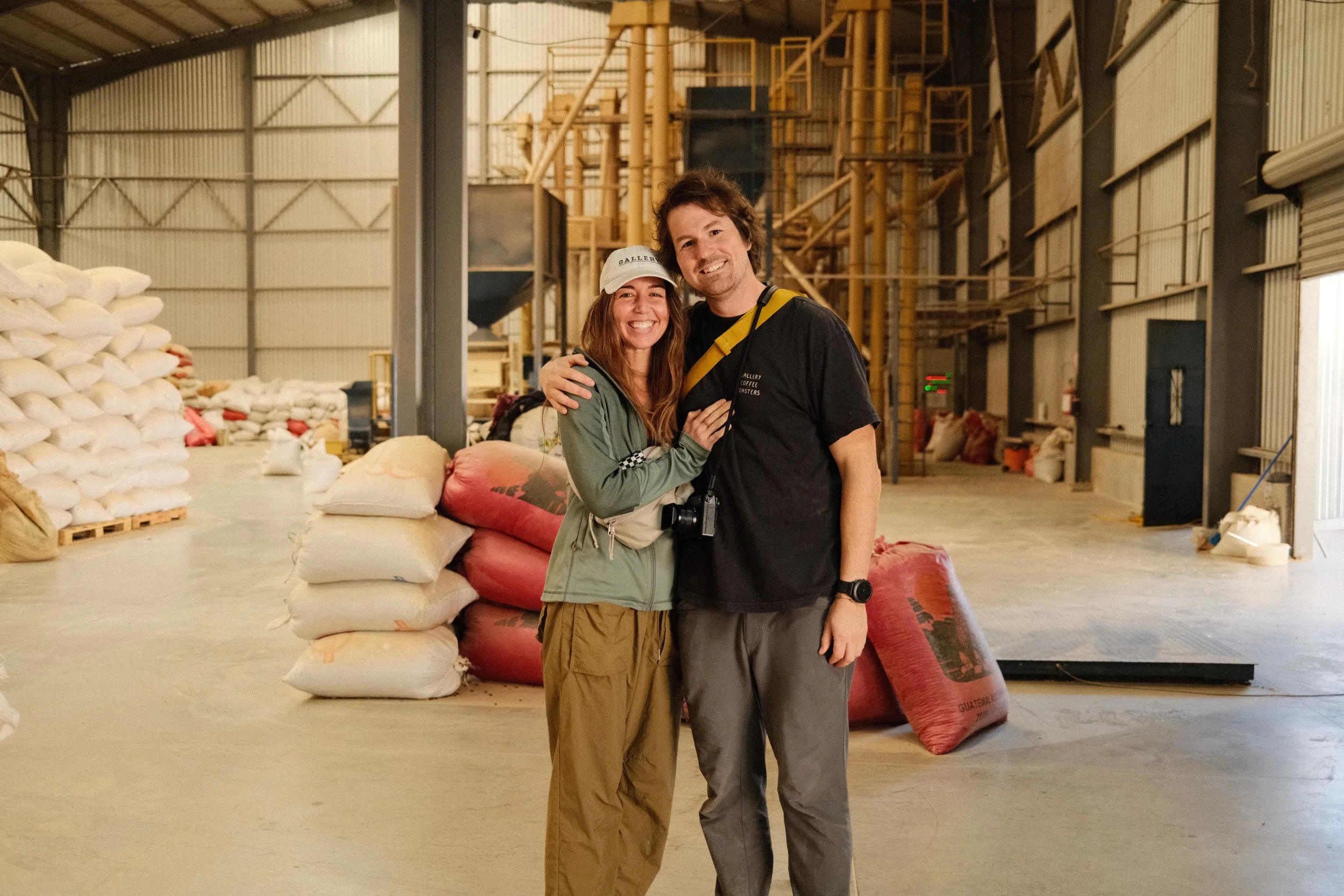
“Once in a lifetime,” “the trip of our career,” “ten years in the making”— phrases we’ve repeated endlessly since booking this trip just a few weeks ago. We had zero plans to visit Guatemala on a coffee origin trip this year, but seized a moment of spontaneity, and wow, are we glad that we did.
This coffee origin trip to the Villatoro family coffee farms in Guatemala gave us a firsthand look at where our coffee comes from, the people behind it, and the relationships that shape how we source coffee at Gallery.
THE “UNICORN COFFEE”
Before we dive in, let’s rewind a decade — back to when Gallery Coffee Roasters was no more than a 20-something barista with a tabletop roaster and some catalog-ordered green coffee. Back then, Ben was ordering 1-pound samples of green coffee from Sweet Maria’s, a small-batch green coffee supplier for home roasters, to experiment with different coffee origins and roasting techniques. He’d been roasting coffee for about a year before a “unicorn coffee” from Guatemala hit his roasting table.
It was a washed process from Aler Villatoro in Huehuetenango, Guatemala – fairly straightforward on the label, but this one hit different. The red fruit notes were bright, clean, punchy. This one didn’t taste like your standard ‘coffee’ and he loved it.
Because if you know Ben, you know that one of his go-to phrases is: “I don’t like my coffee to taste like ‘coffee’”. Although it may sound polarizing, his intentions are at the heart of what third-wave coffee has been shouting for years: that burnt, acidic, roasty-toasty flavor of a dark roast can be deceptive – hiding imperfections of lower quality beans and burying natural sweetness in even the great stuff. We’re big believers that if you don’t like coffee…you’re just not drinking the right kind of coffee.
So, this “unicorn coffee” from the Villatoro family became the standard to which all other samples were measured…but Ben hit a road block. He couldn’t find the Villatoro name again on green coffee websites.
Fast forward to 2024 when we visited Monarch Coffee Farm in Hawaii, Abby Munoz mentions Onyx Coffee as an awesome coffee importer (ethical practices, cool people, and great relationships with farmers), so Ben pulled up their website when we got home and…lo and behold…it’s filled with Villatoro coffees. Turns out that the Villatoro family is a very big deal, not just in Guatemala, but world-wide – no wonder their coffee was incredible. We quickly partnered with Onyx Coffee and added two Villatoro coffees to our line-up at Gallery.
Then, 2026 hit and Onynx Coffee invited us to tag along on an origin trip to meet the Villatoro family first-hand. UHM, YES. We booked flights, packed two backpacks, and jumped on a plane to Guatemala City.
HUEHUETENANGO
Okay, here’s the deal with visiting coffee origin: farms are not close to major cities. Guatemala City is roughly an eight-hour bus ride to Huehuetenango on narrow, dirt roads filled with tough terrain and steep drop-offs. Though completely do-able, we only had four days to spend in the country and we couldn’t afford to spend an additional two days traveling. Lucky for us, travel to Huehue is common enough to warrant a prop-engine plane flight twice a day for commuting families in the coffee industry.
So, we woke up early on Tuesday to grab the morning flight to Huehue. Marisa had a great first five minutes in the air before turbulence hit and her dramamine failed, but the 30-minute flight went by quickly and just look at that view…
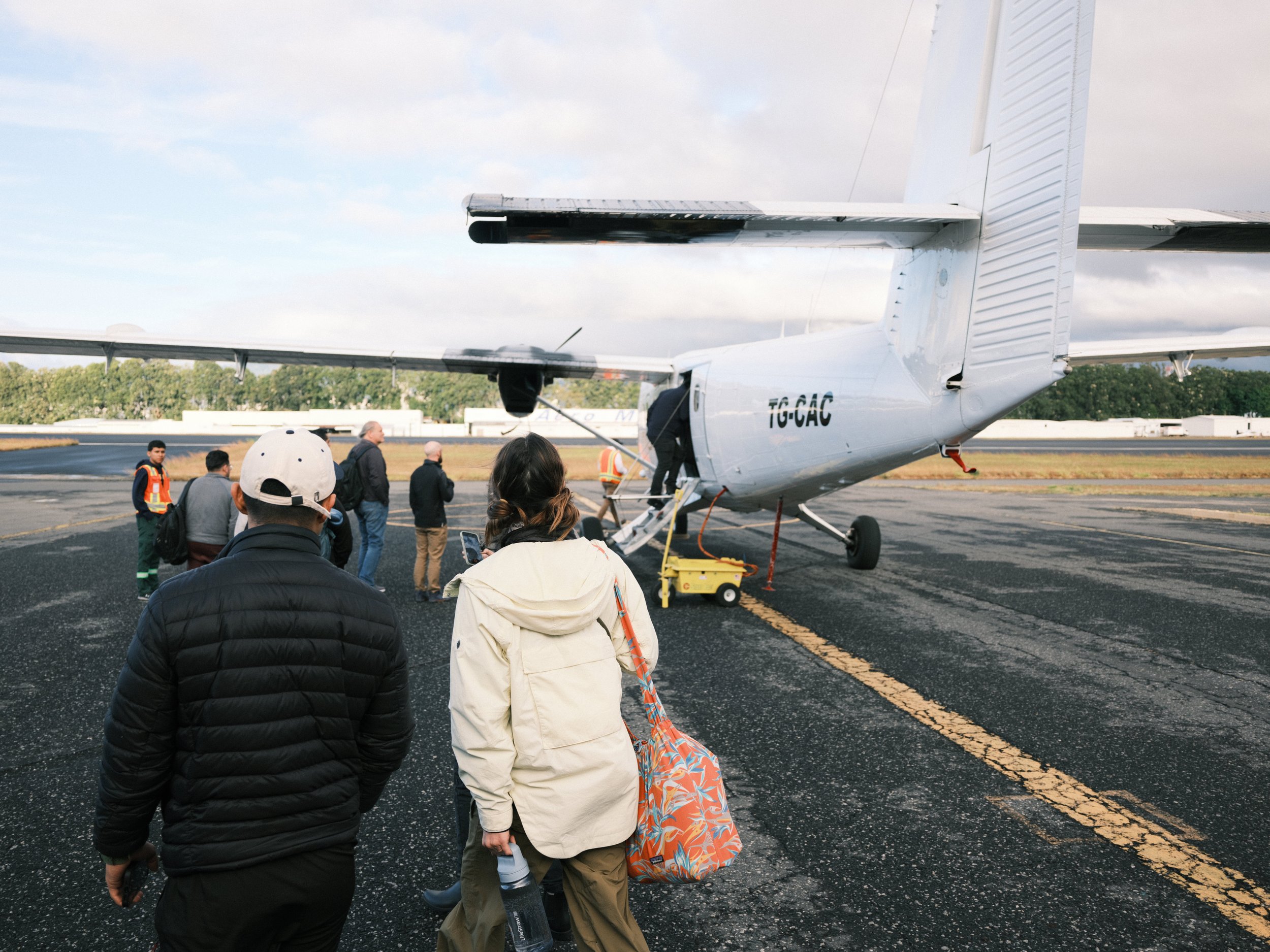
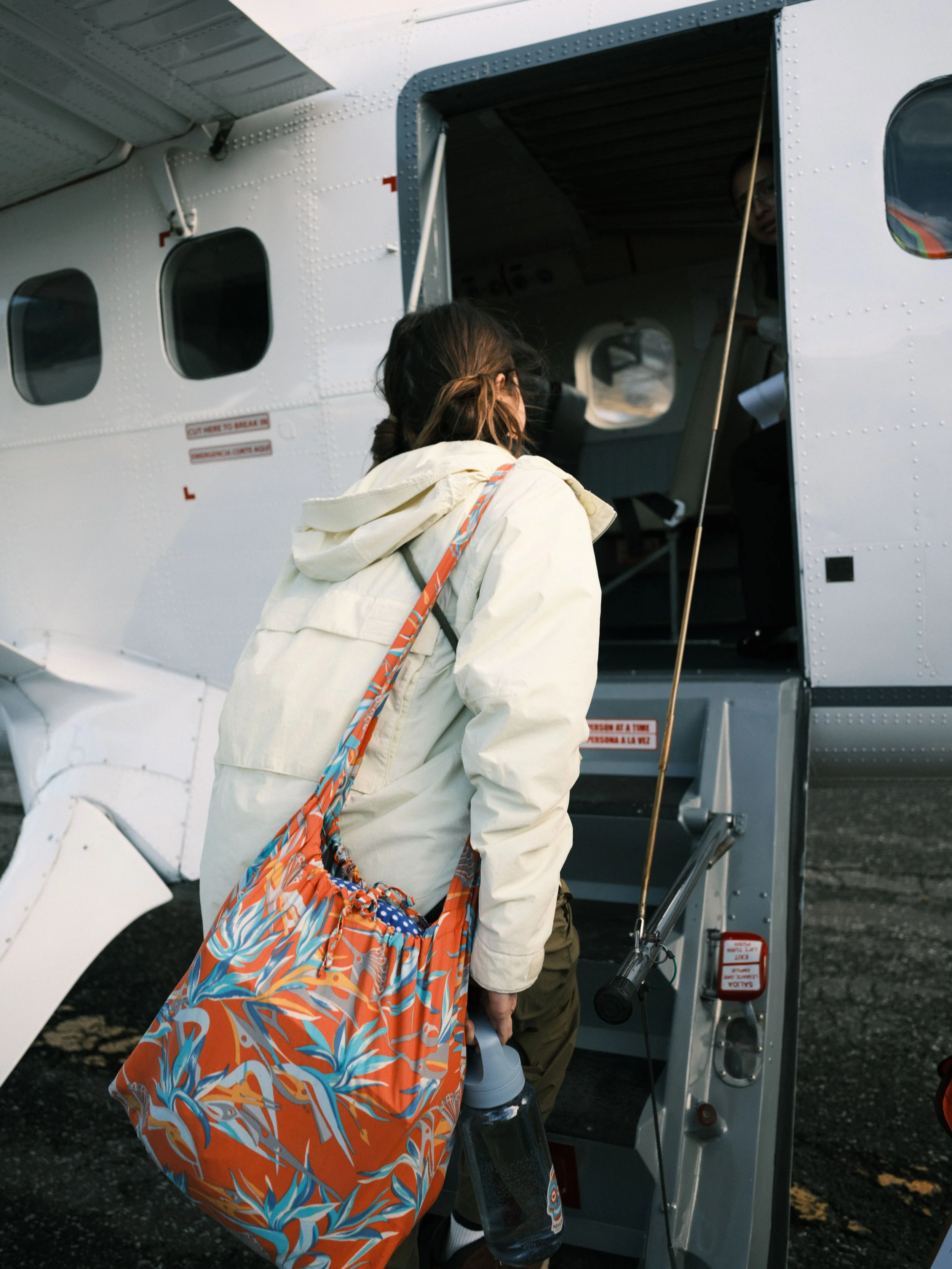
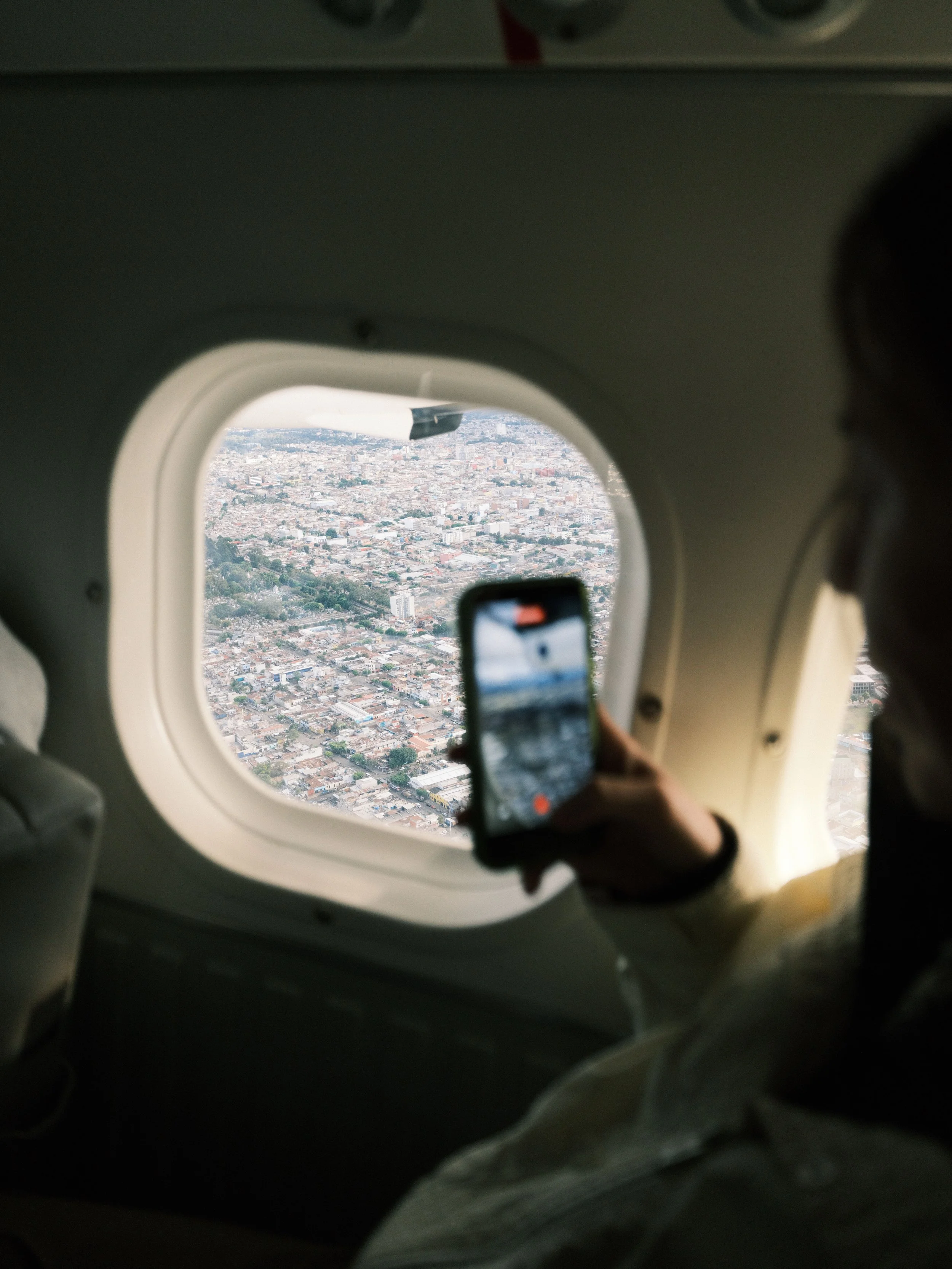
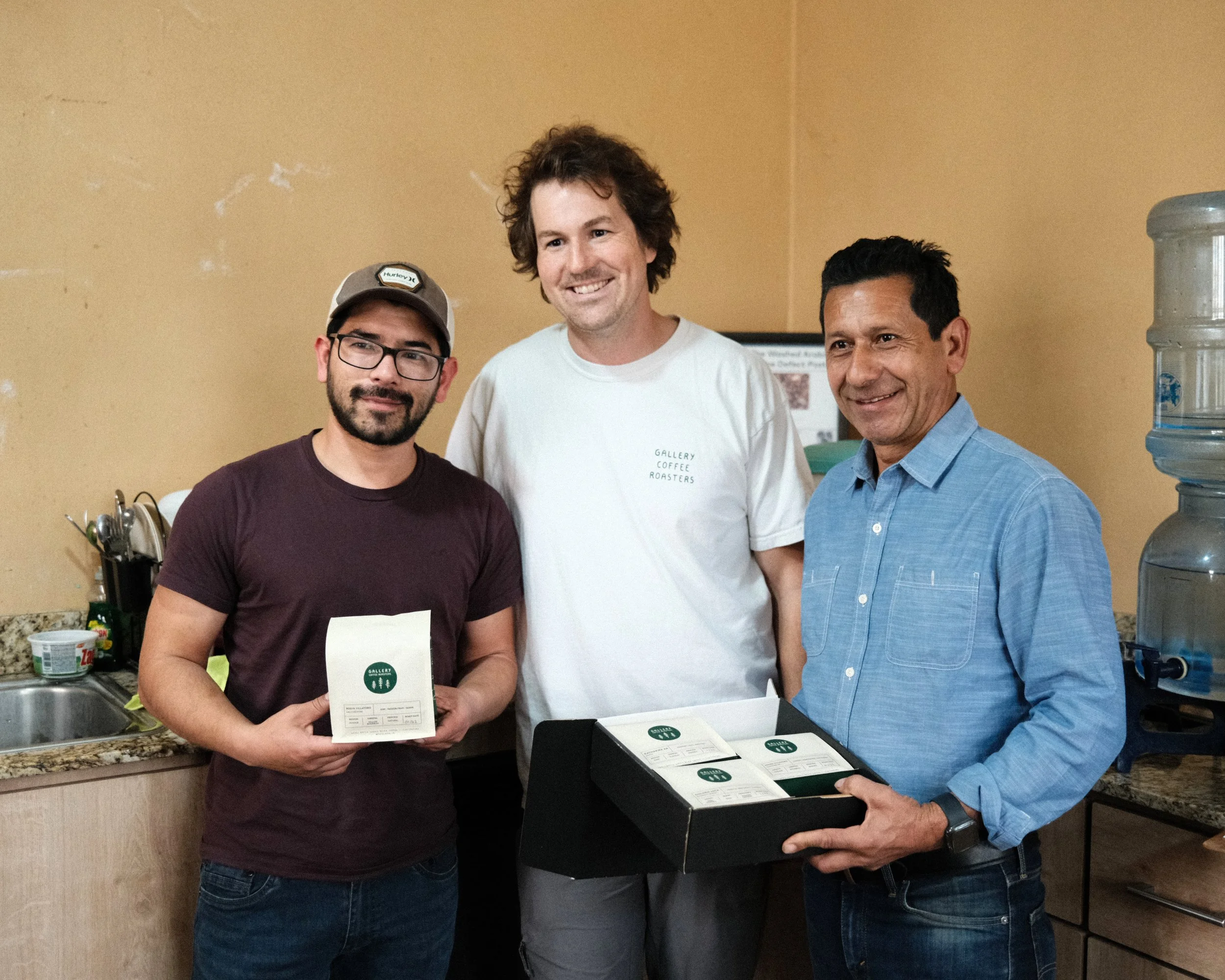
We landed on a single airstrip in the middle of town and walked off the tarmac to greet the one and only, Rodin Villatoro, third generation coffee farmer in the Villatoro family. Ben was already familiar with Rodin – perks of social media – but meeting this producer in-person was a celebrity-effect I didn’t expect. Of course, he was kind, gracious, and wonderfully personable from the first hello, but I generally found myself fighting the urge to ask for an autograph. The gravity of this trip really hit at that point.
Here we were – two little coffee shop owners, over 3,000 miles from home – sharing air with the man responsible for our livelihood; the coffee we brew, sip, and share every day. Our tiny little shop, in our small little town, is connected to this corner of the world in a very direct way.
Yeah, meeting Rodin was wild.
THE VILLATORO FAMILY
The Villatoro family has nearly 150 immediate family members descended from Rodin’s grandmother (!!), committed to producing some of Guatemala’s best coffee – and that’s not a hyperbole.
The Villatoro family has produced award-winning coffee for decades, taking home Guatemala’s Cup of Excellence (COE) nearly every year since first participating in 2002. As one of the top coffee producing countries in the world, this honor was not lost on us. It’s an incredible accomplishment and we’re immensely proud to carry this coffee at home.
The Villatoro family owns several farms, passed down from Rodin’s grandfather – with farms slowly transitioning to third generation family members today. Many of the family’s farms are nestled within a small mountain town in Huehuetenango, called Hoja Blanca, with another farm about an hour away, aptly named Finca Punta Del Cerro (“farm at top of the hill”). We were lucky enough to visit both.
But before we hit the road for a long journey up the mountainside, we stopped for a cupping session at the family’s Coffee Lab, just a few minutes from the airport.
THE COFFEE LAB
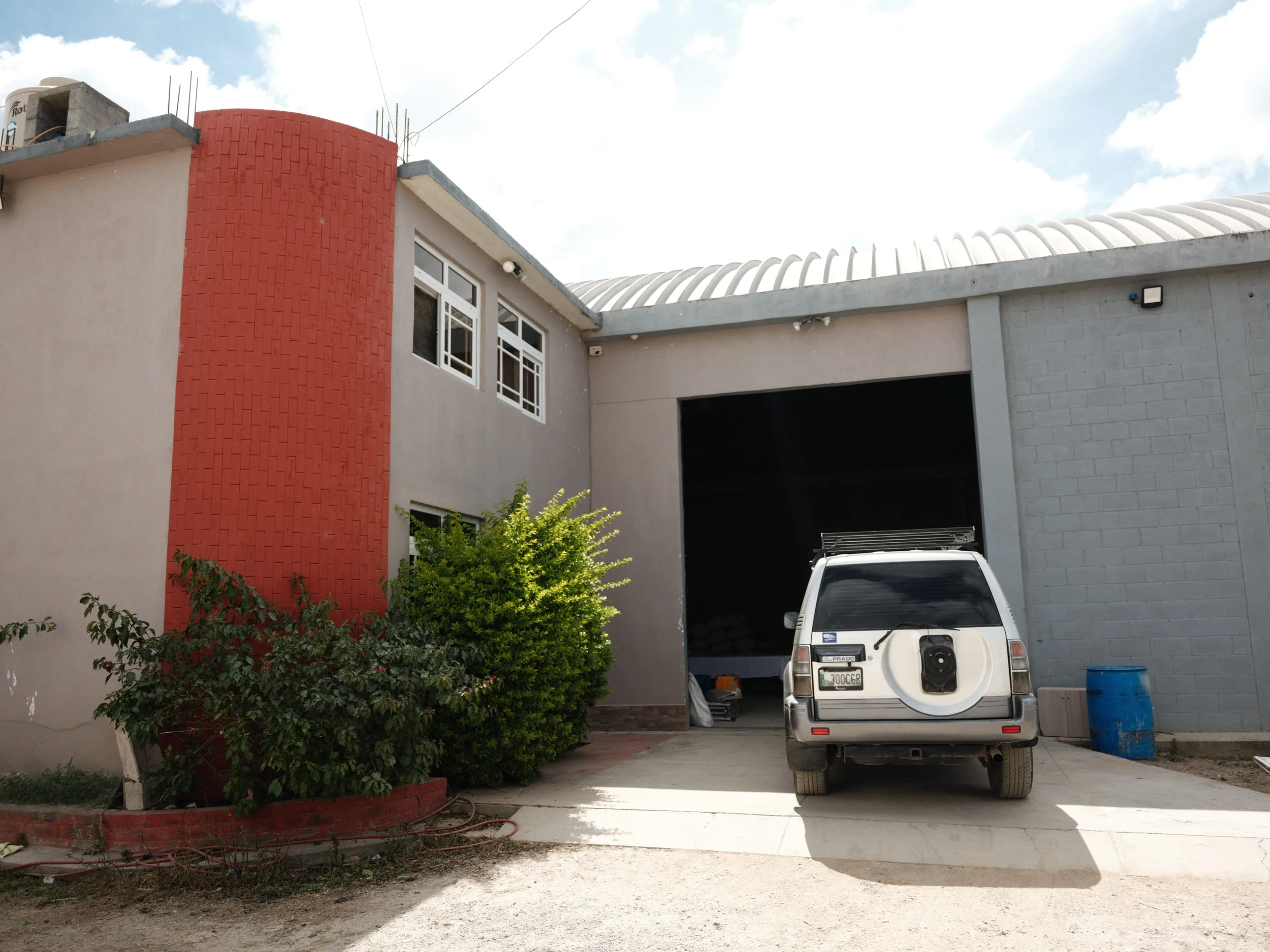
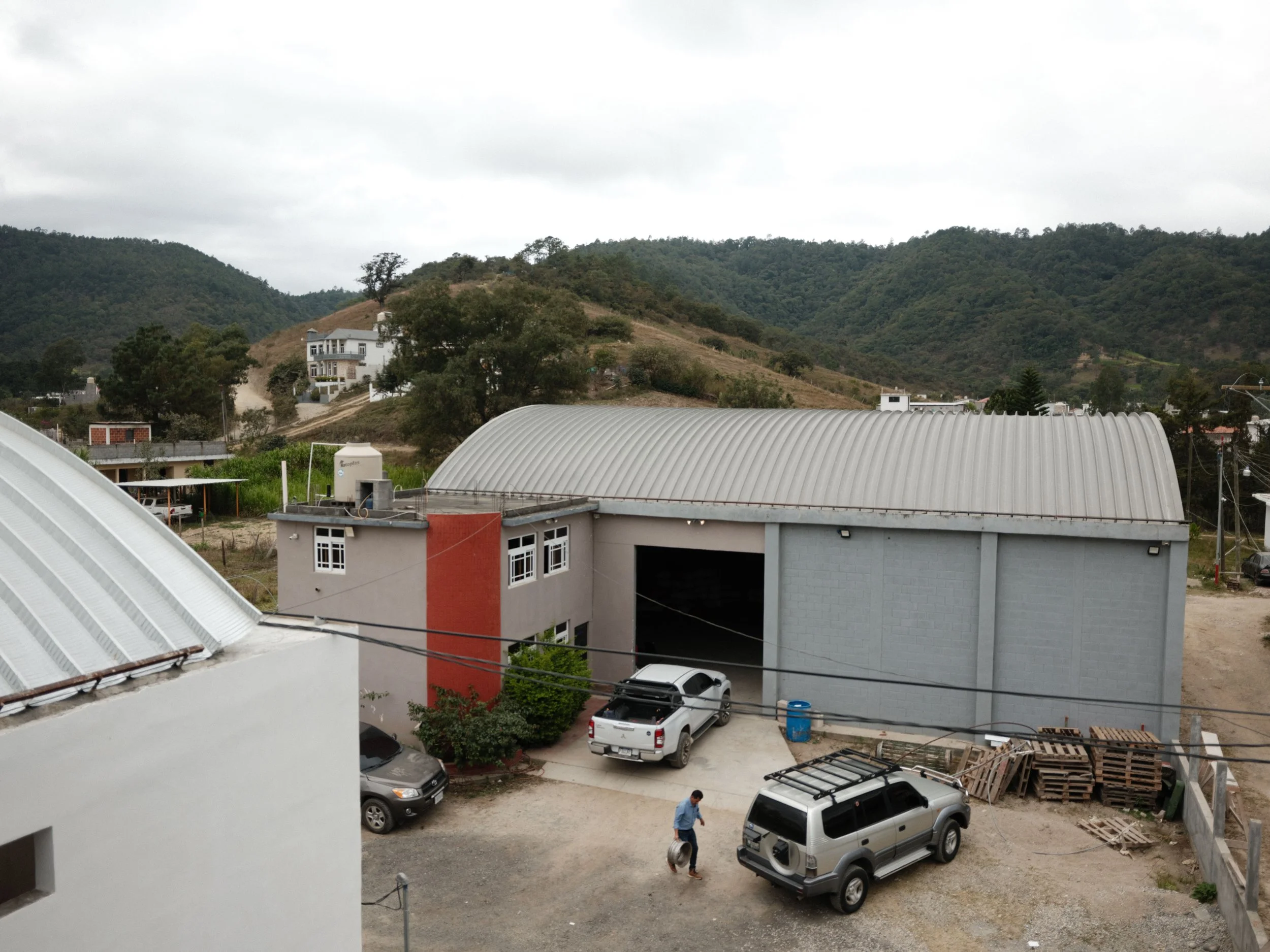
With the mountains in the distance, a crisp, dry breeze in the air, and the sound of squawking from a few errant chickens in a fenced yard, pulling up to the Villatoro Coffee Lab didn’t feel much different than a country warehouse back home. Freshly-laid cement paved a small driveway leading up to a cinderblock warehouse, with a roll-up door revealing a huge space with…a few dozen coffee bags.
It took us a second to piece together why this warehouse was sitting (mostly) empty: harvest season.
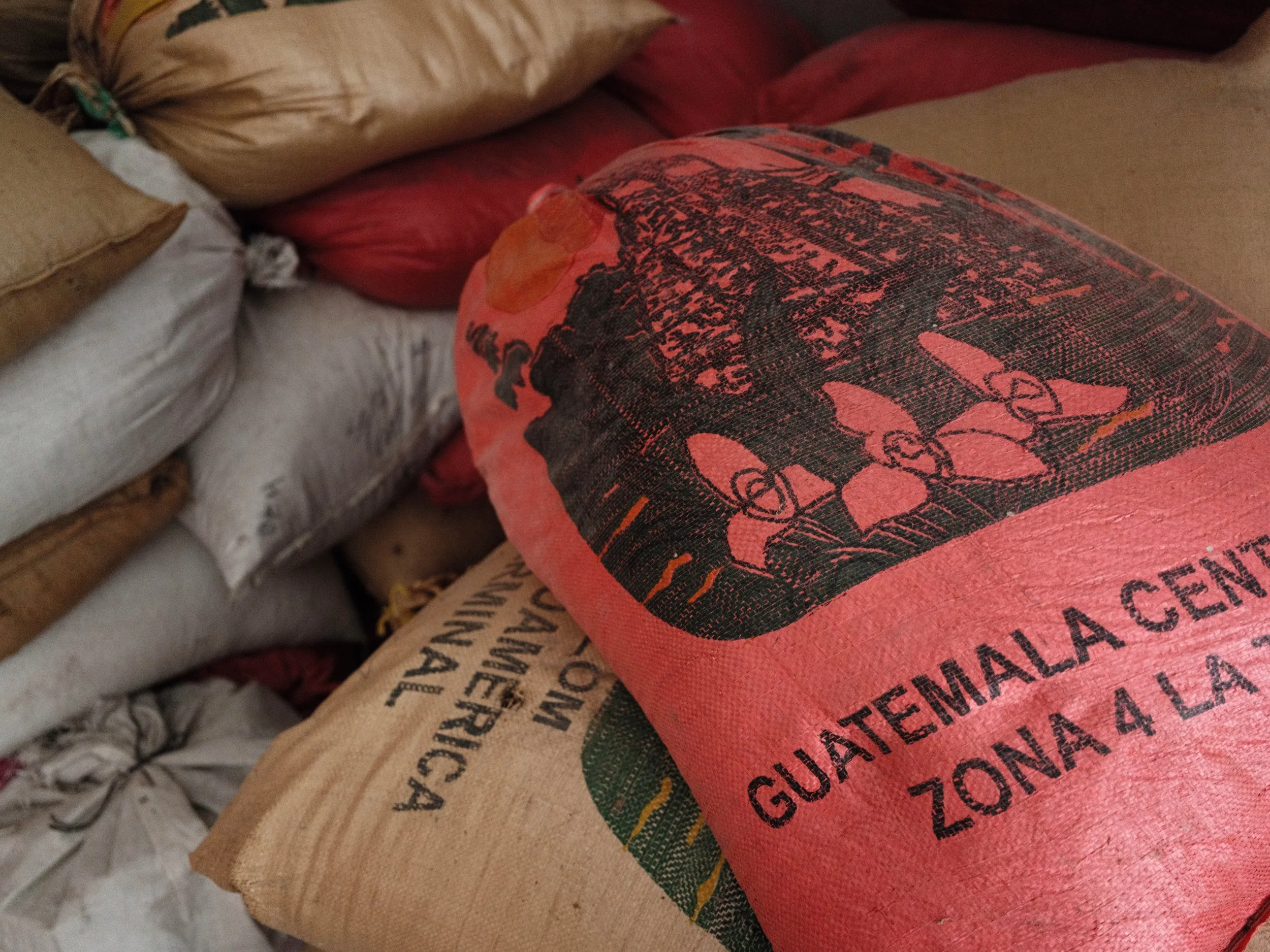
With the farms just hitting harvest in early January, this warehouse was nowhere near capacity (yet). This massive space was about to be at capacity in just a few short months – just last May, our friends at Onyx visited the Lab to witness coffee grazing the ceiling of this two-story warehouse.
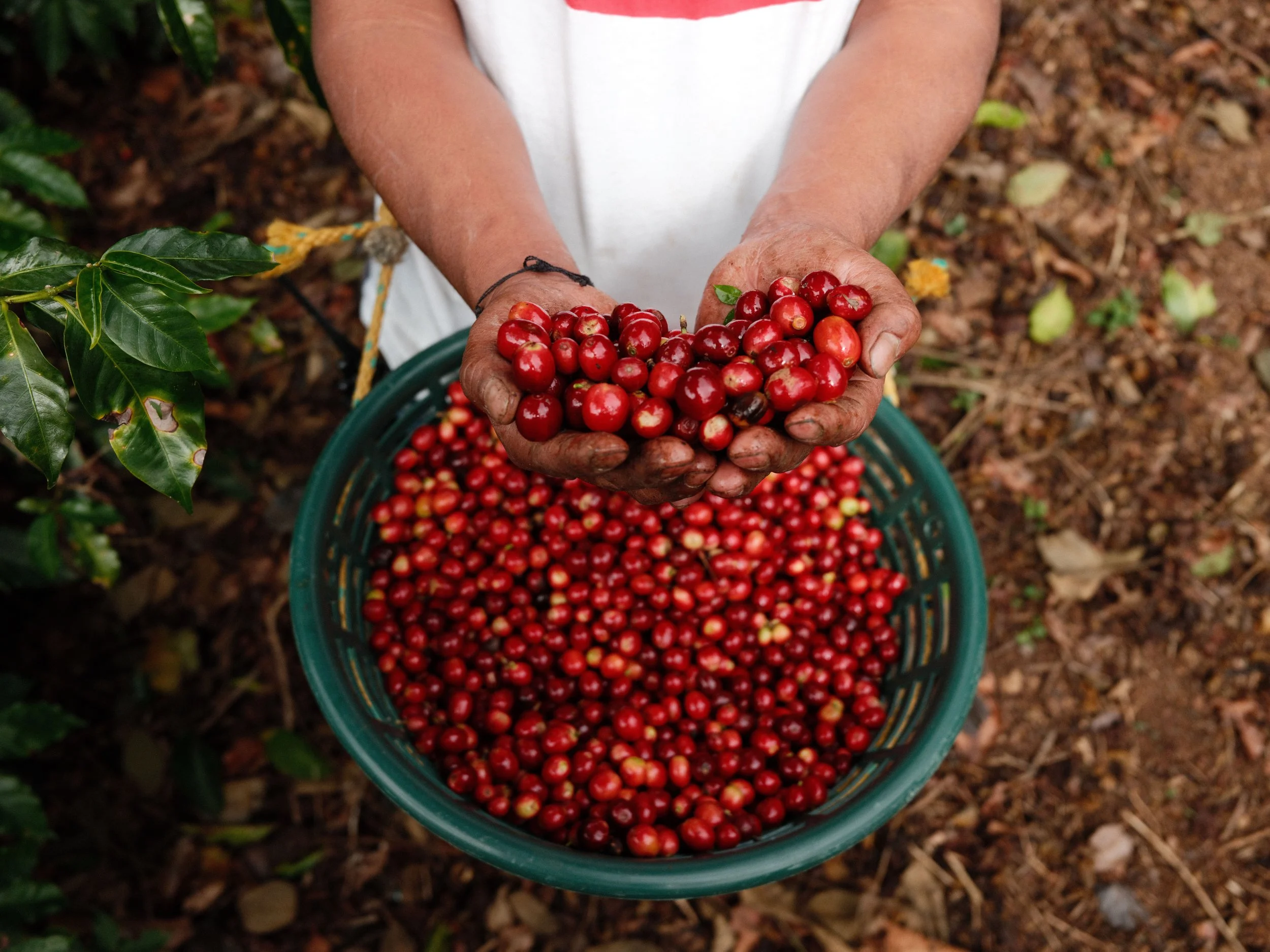
Literally tons (and tons, and tons…) of coffee was heading this way: Each 150-pound bag of coffee starts out as over 750-pounds of freshly picked coffee cherries (aka the size of a large, adult black bear), before it’s processed, dried, and packed into a grain-seal bag for transport. Quick math: that’s an 80% loss in weight from pick to purchase – and every cherry is picked by hand.
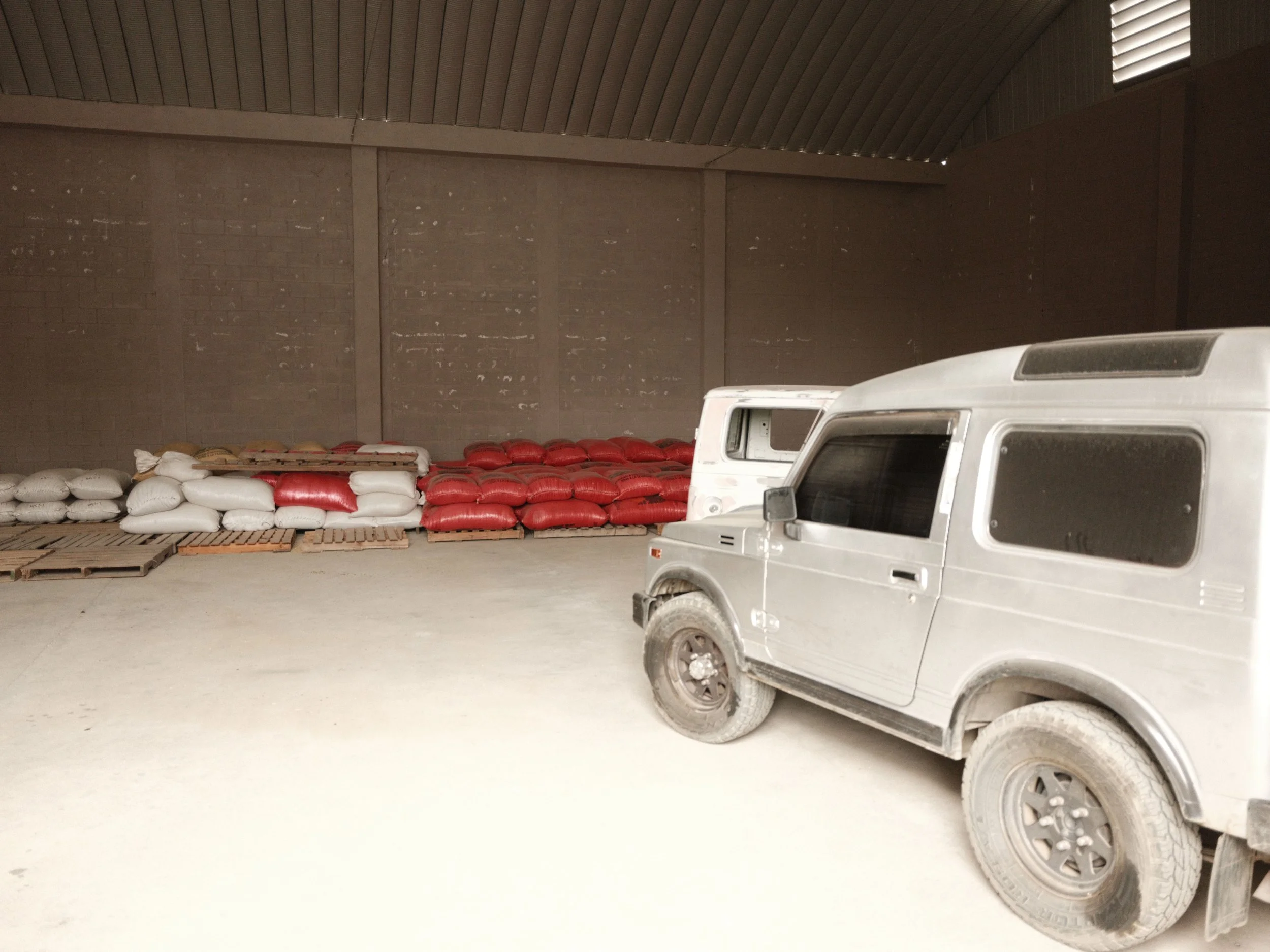
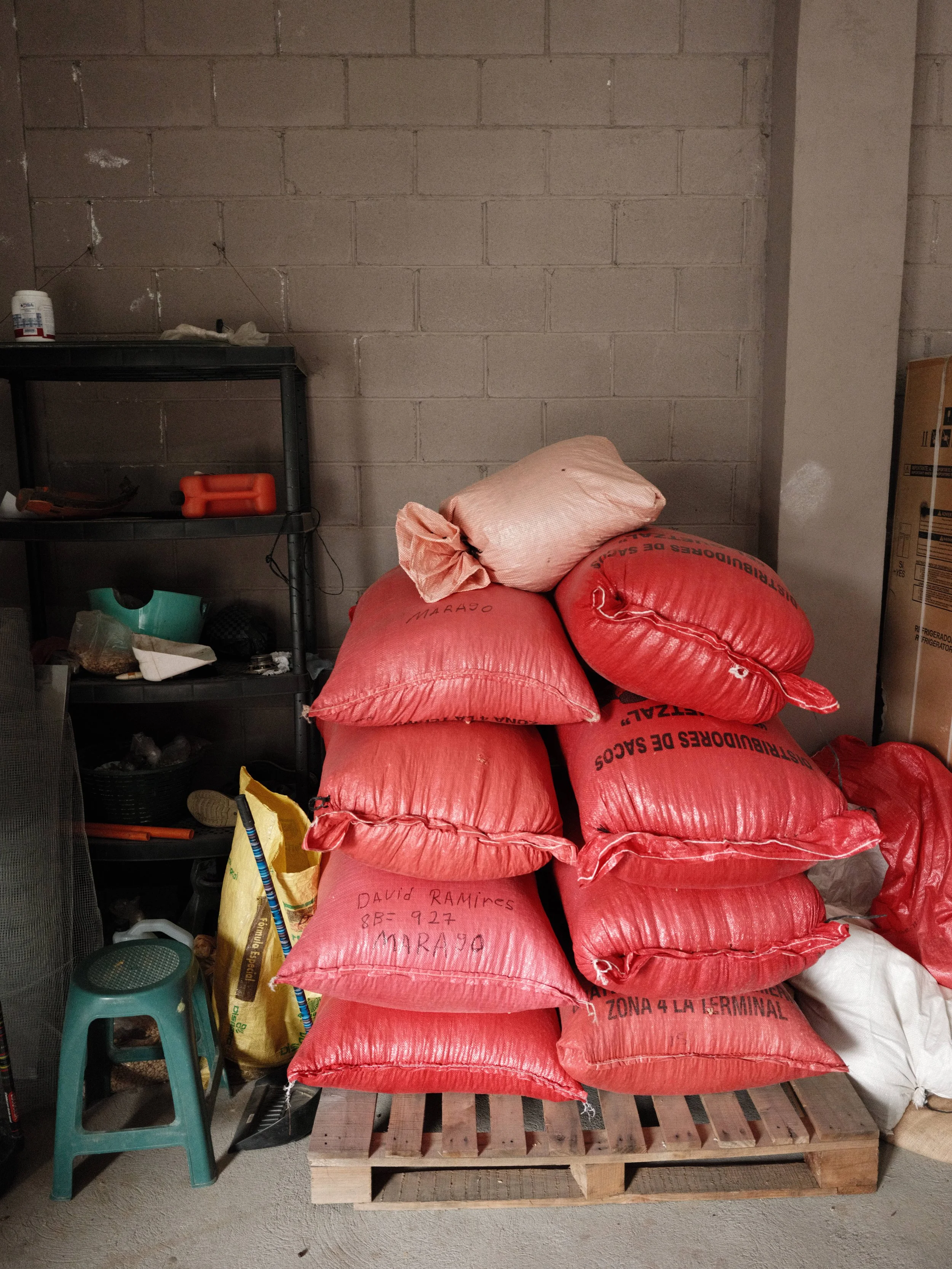
OFF THE PAGE MOMENT: Though there were only a few dozen bags in the warehouse, this space smelled amazing. Prior to working with Ben at the shop, I never expected green coffee to produce an aroma. I expected it to be, well, a dried legume of sorts – aroma-less, bland, and unremarkable until cooked. I couldn’t have been more wrong. Green coffee has this delicate sweetness to it, with notes of raw nuts, fresh hay, and even some light citrus; it’s an extraordinarily complex aroma from a dense, little dried bean. And this space was already teeming with fragrance.
Before we got started on the cupping, Rodin asked if we were game for a little farm-to-cup processing experience: of course we were.
So, our Onyx account manager, Rachel, grabbed samples from five separate coffee bags (to get a more uniform sample of the selected coffee) and brought it to the mill, which removes the outer parchment (a papery, thin shell that protects the green coffee during its journey from farm to processing mill). Next up, green beans hit the sifting pan to remove any defective beans, sticks, rocks, etc. What’s left: uniform, freshly milled coffee that’s ready for the roaster.
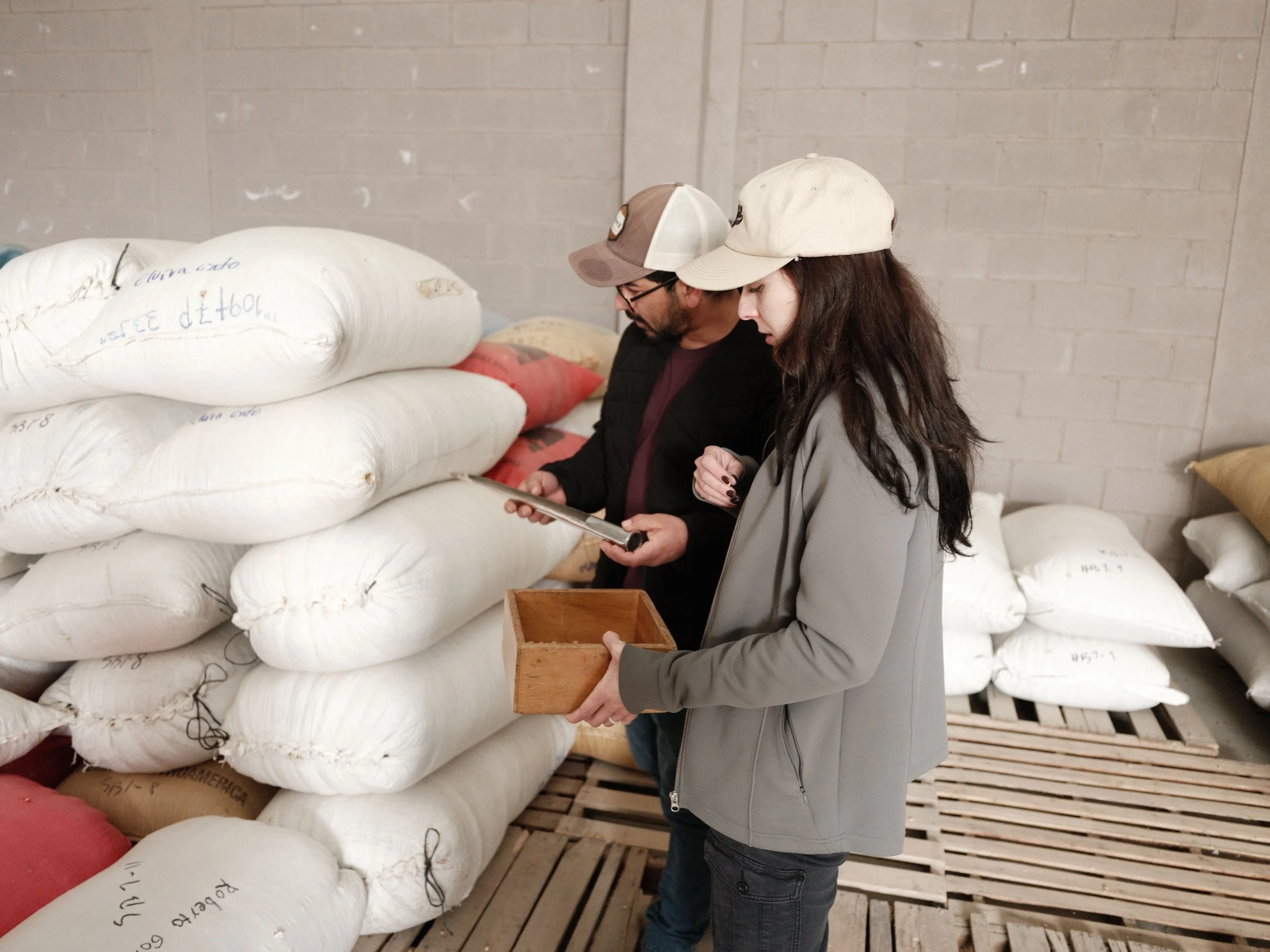
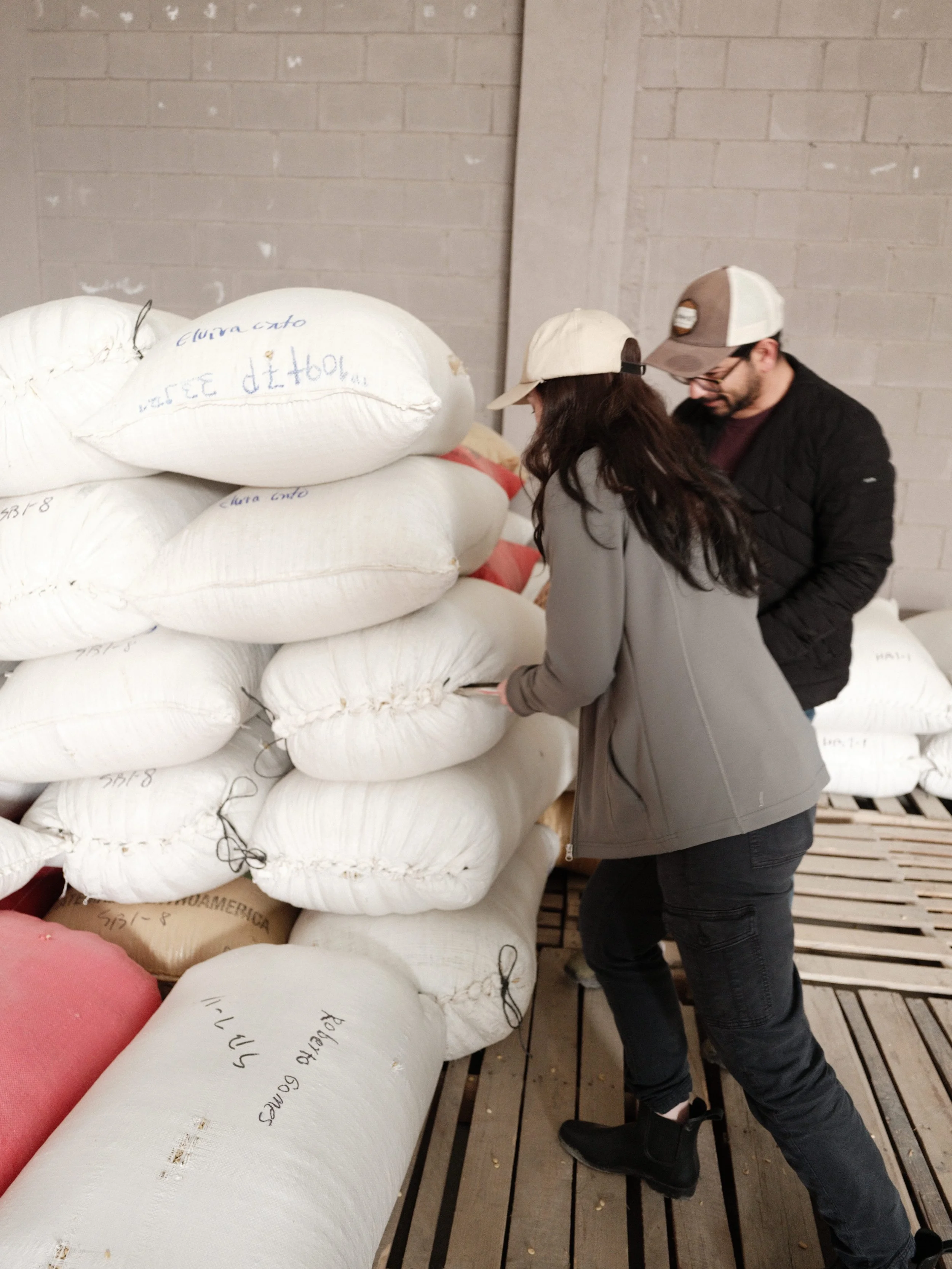
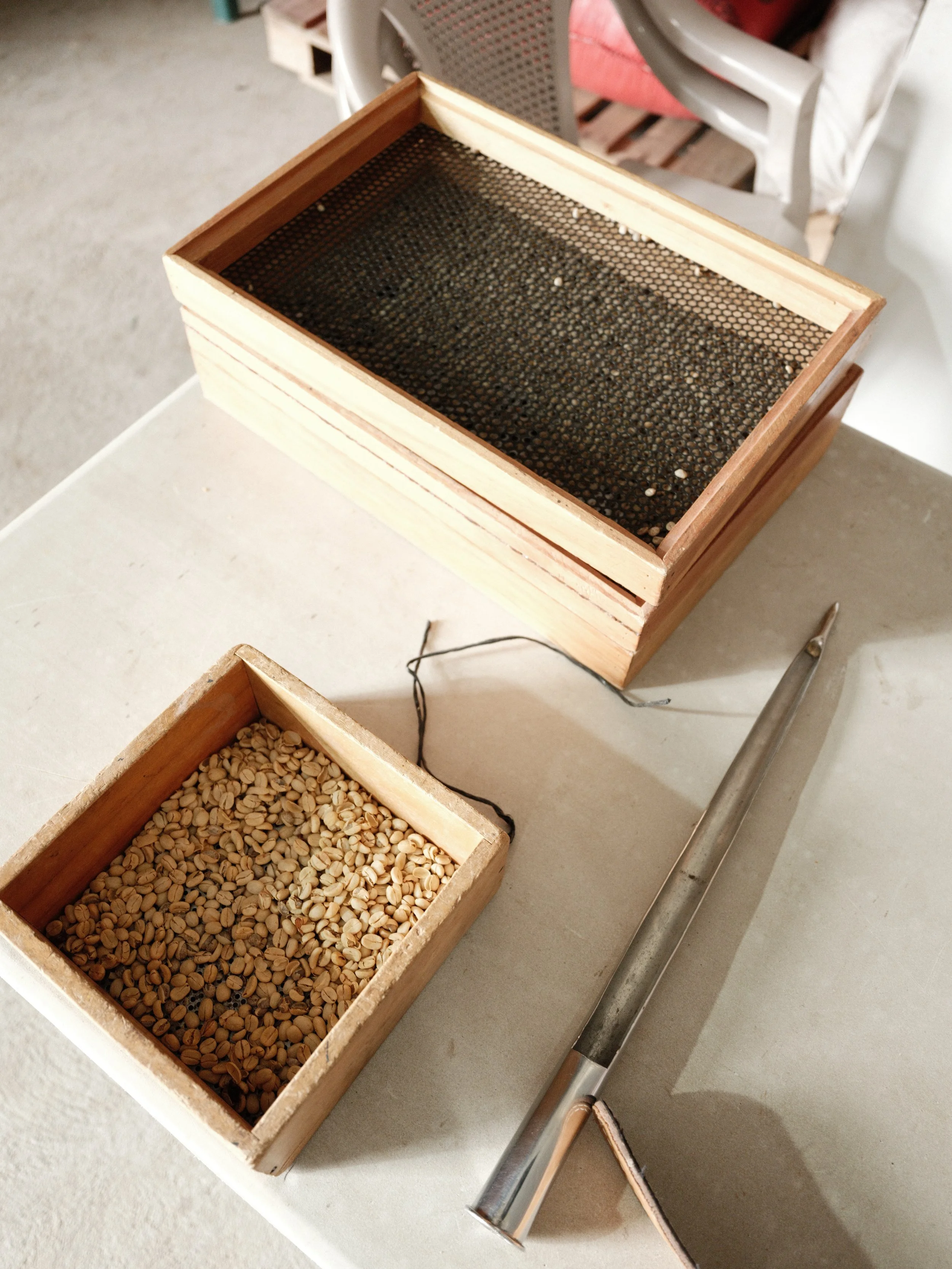
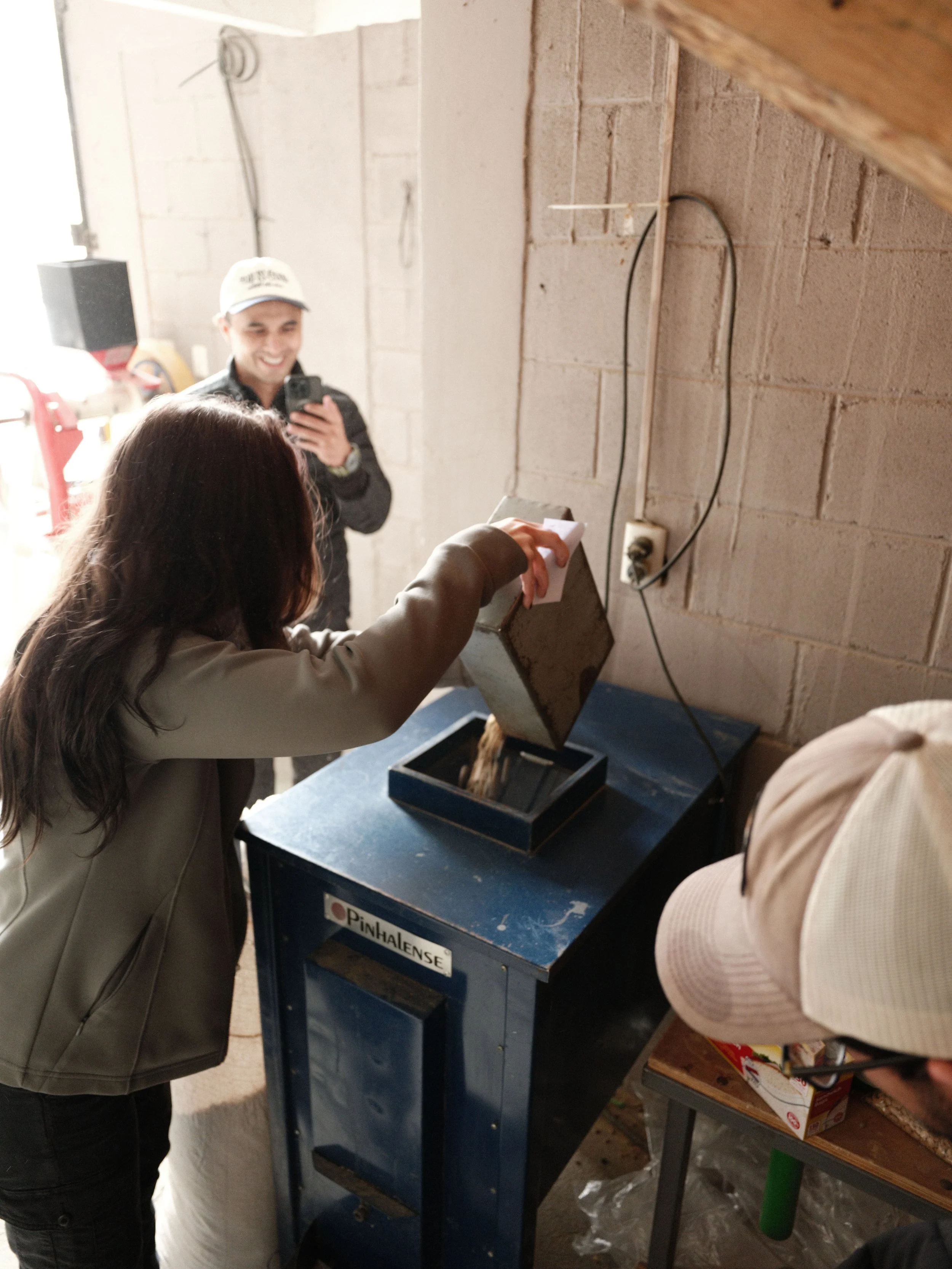
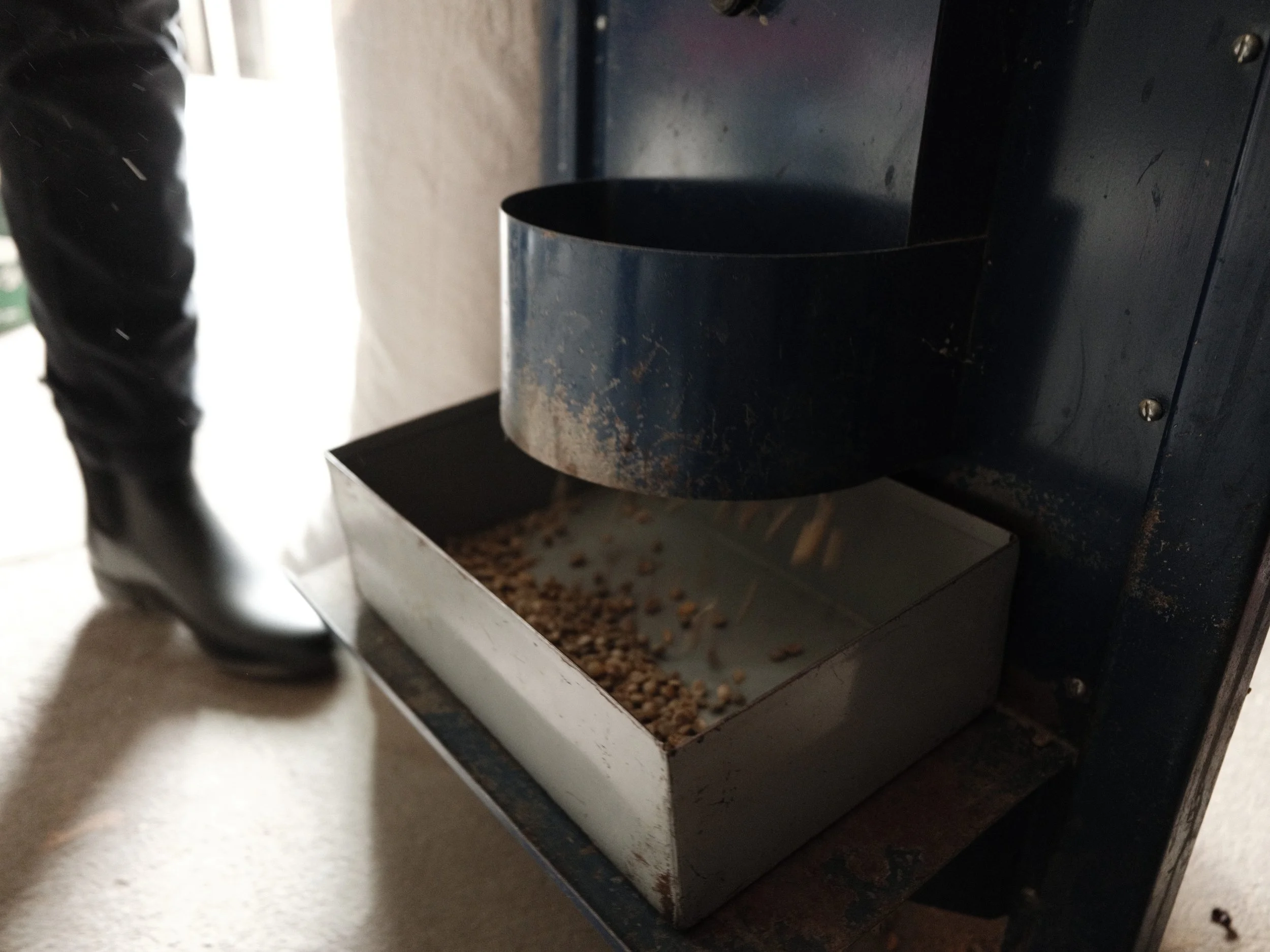
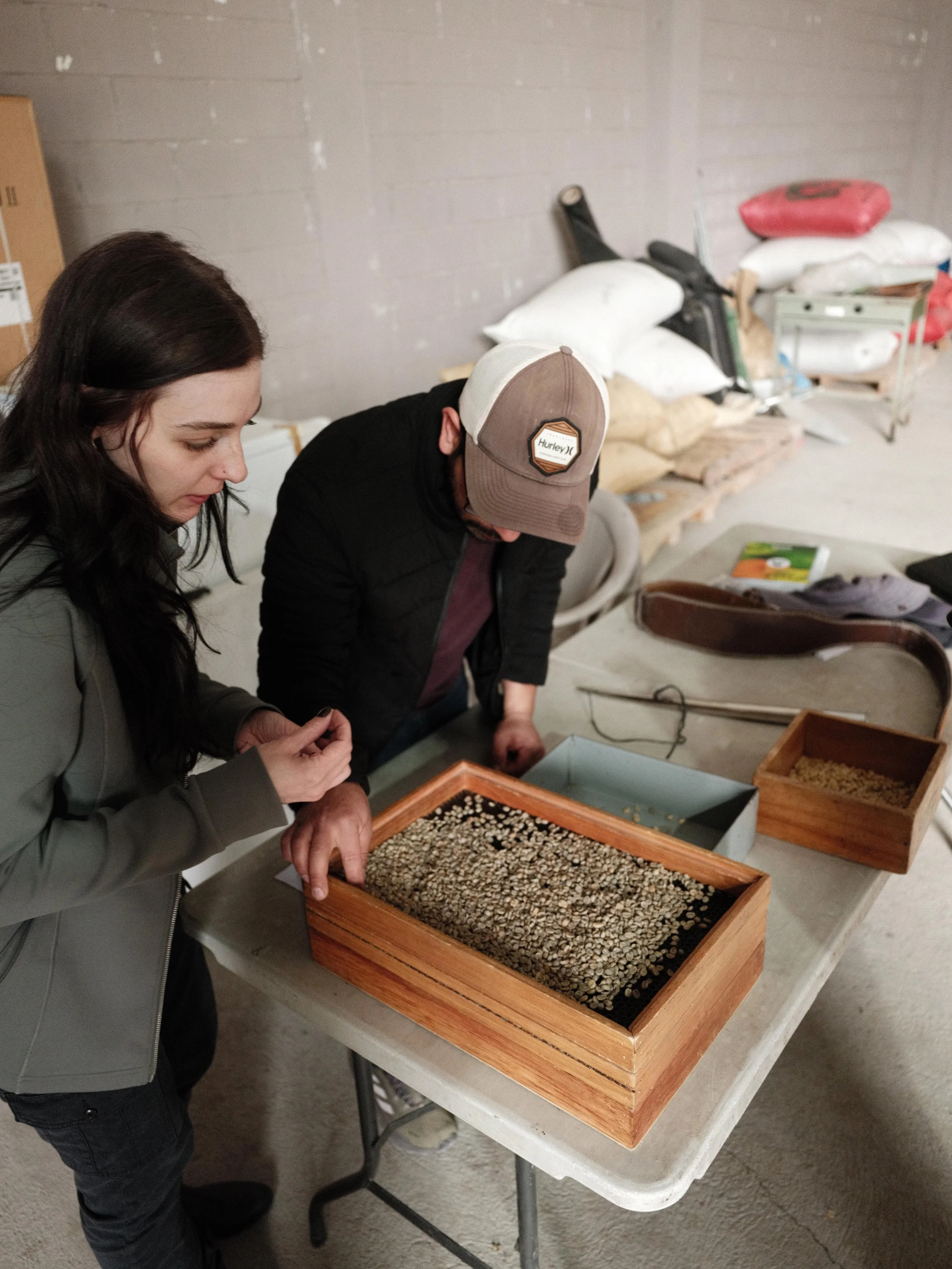
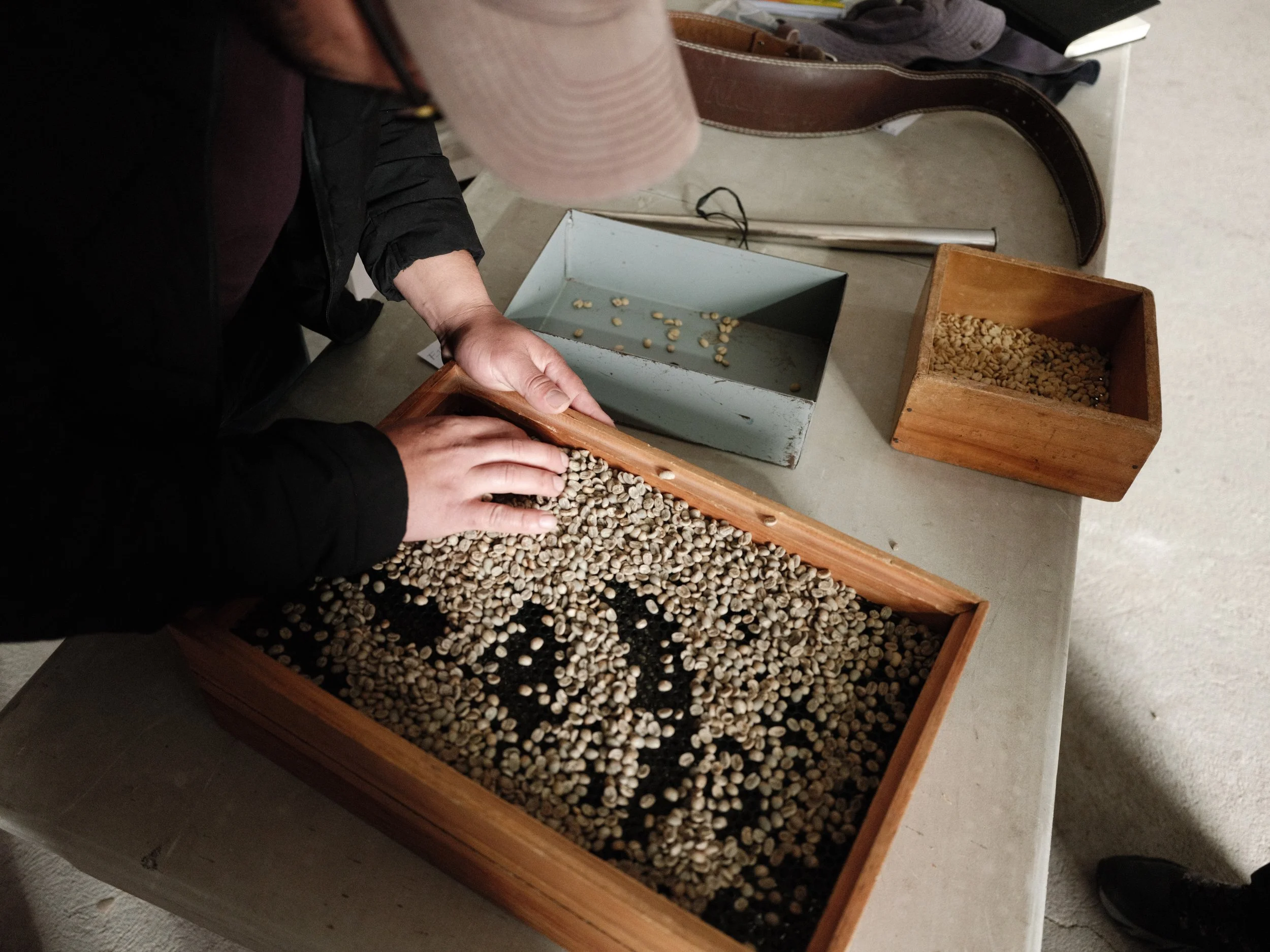
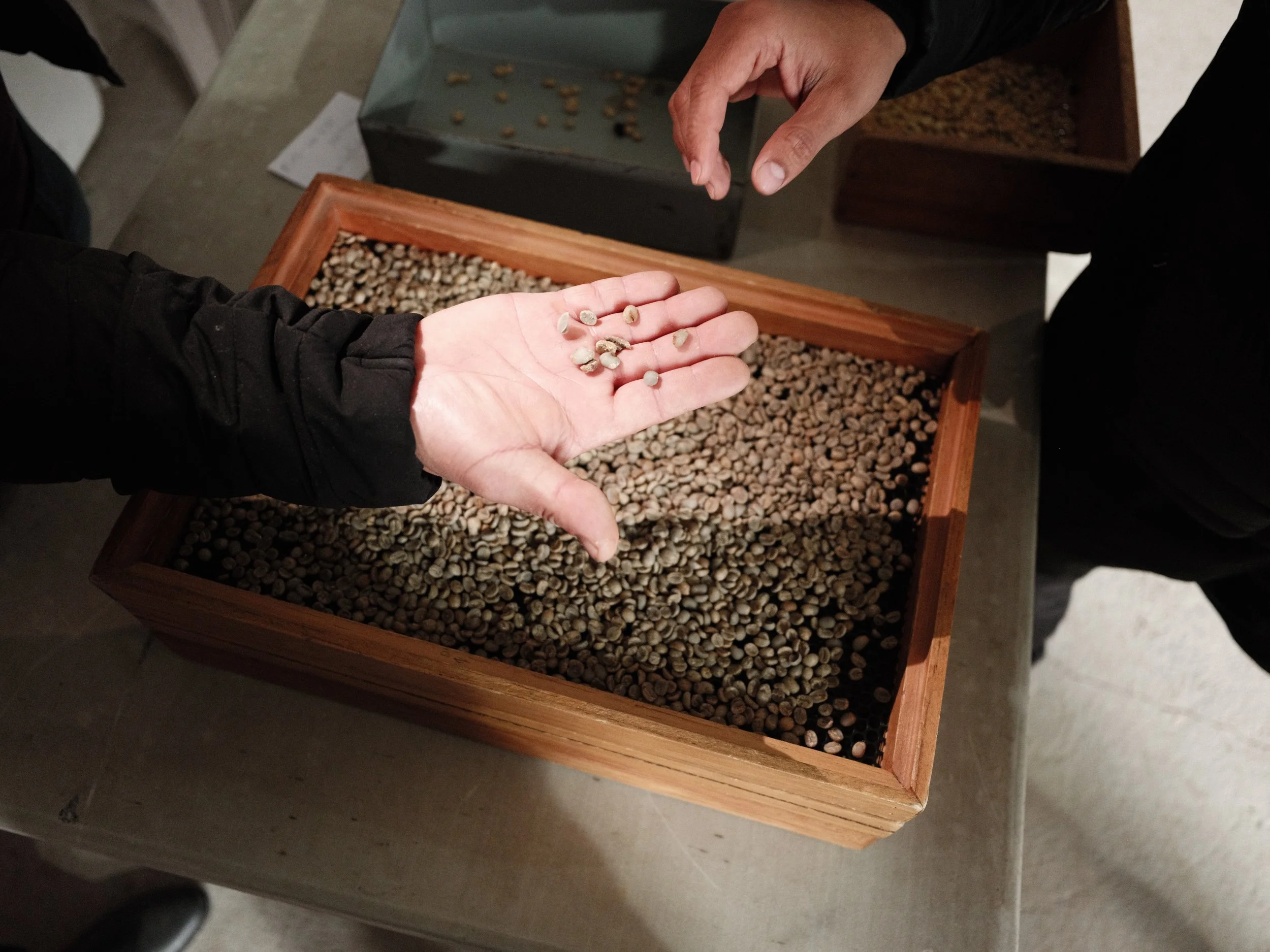
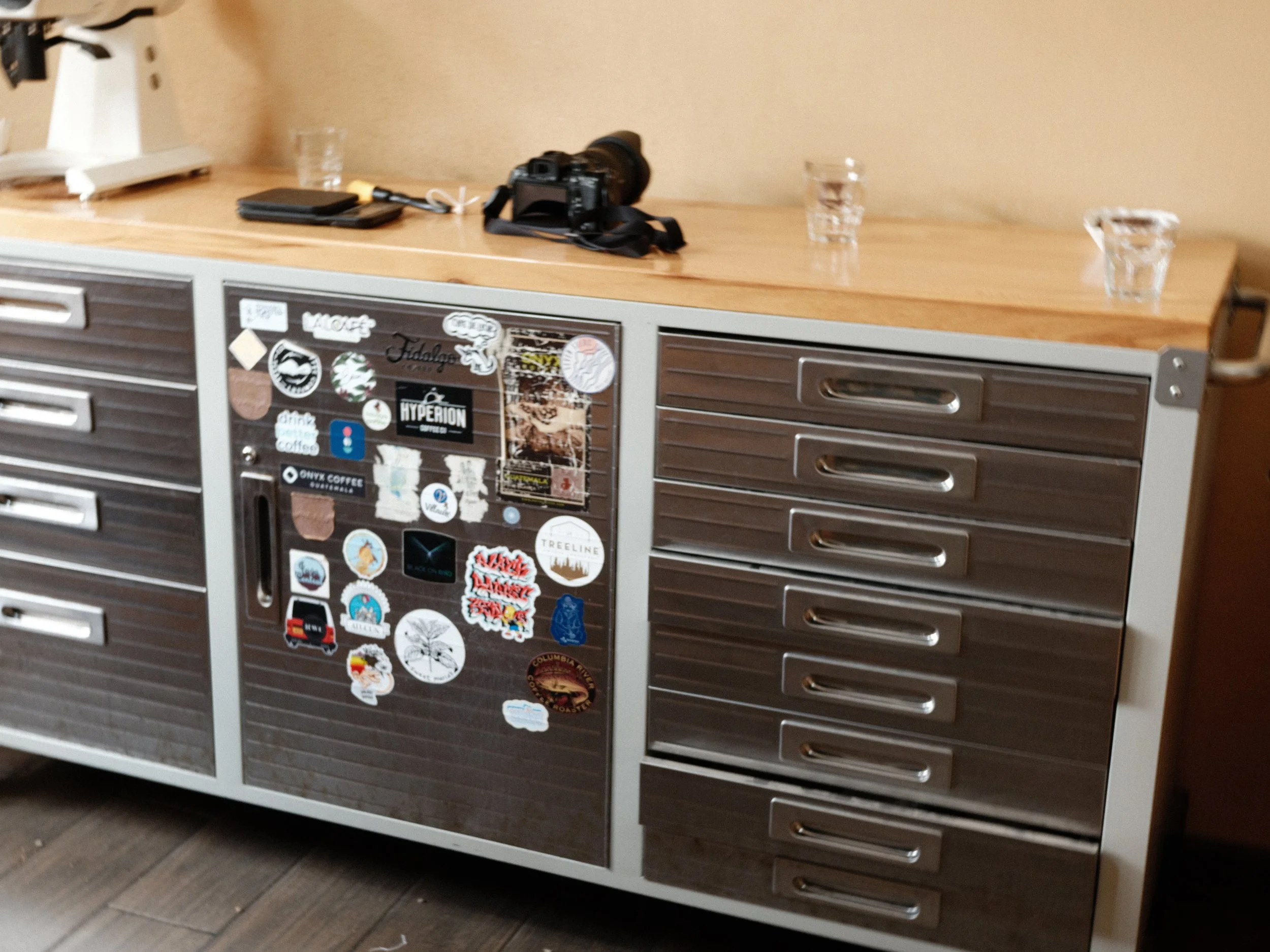
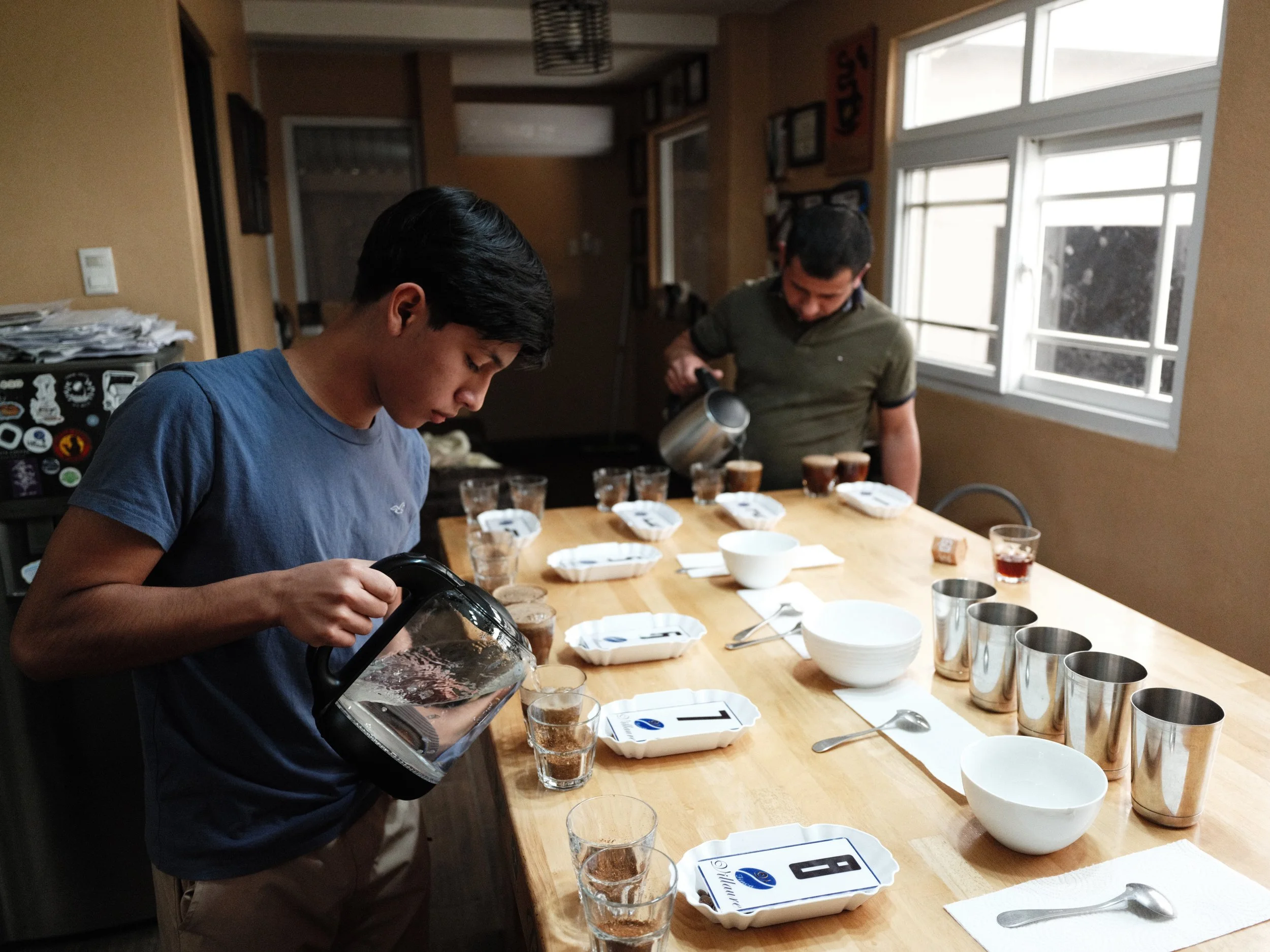
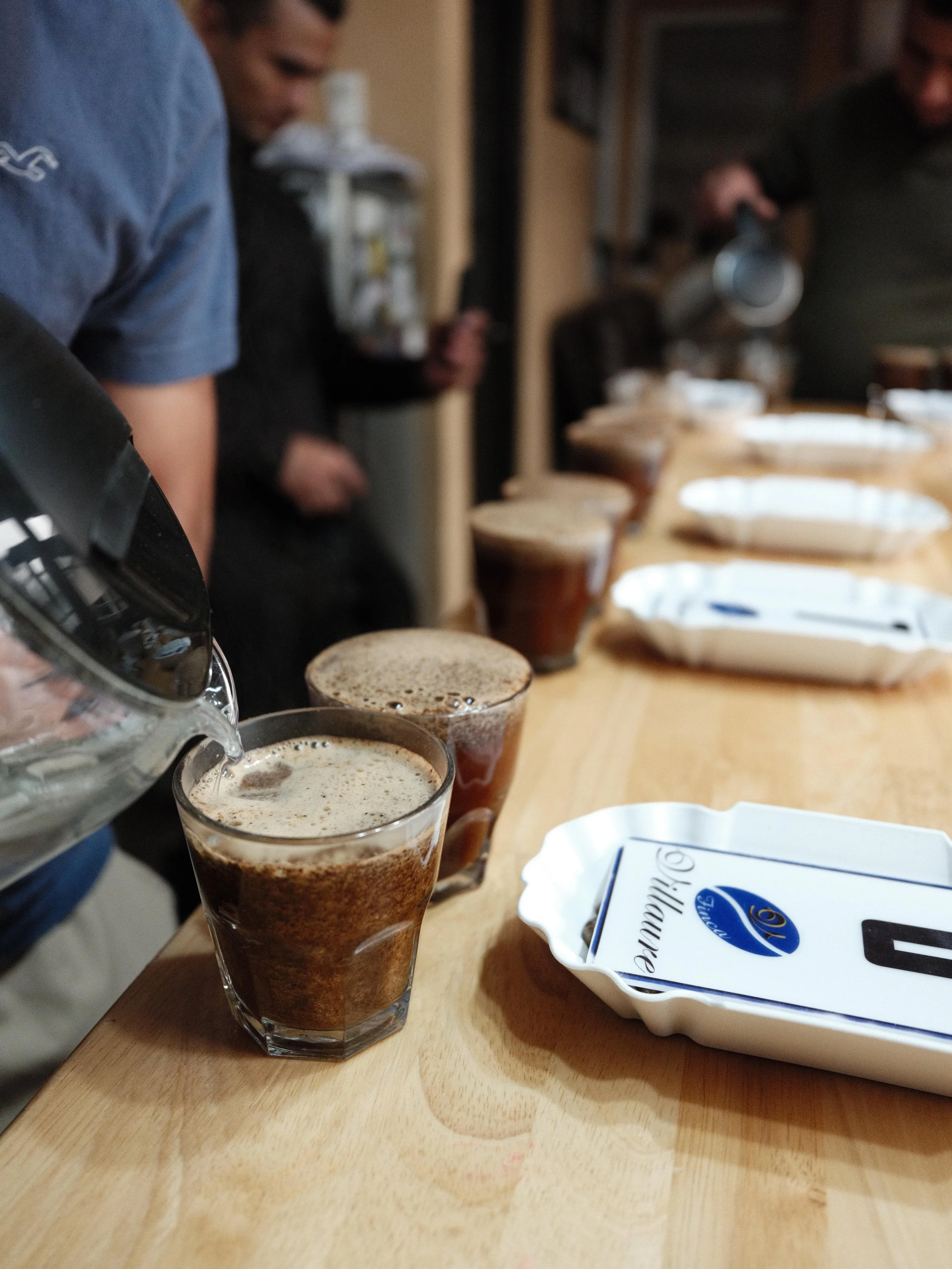
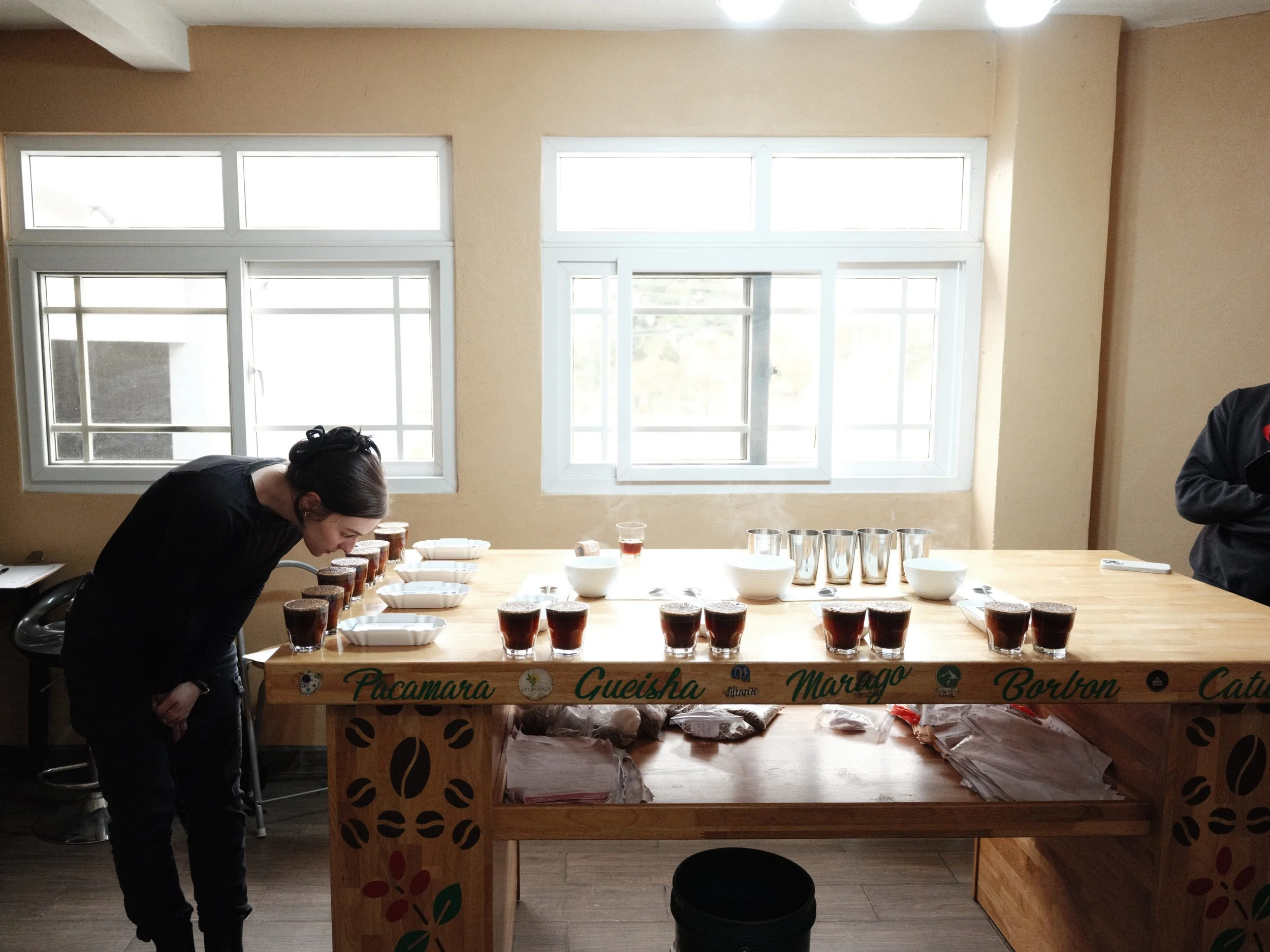
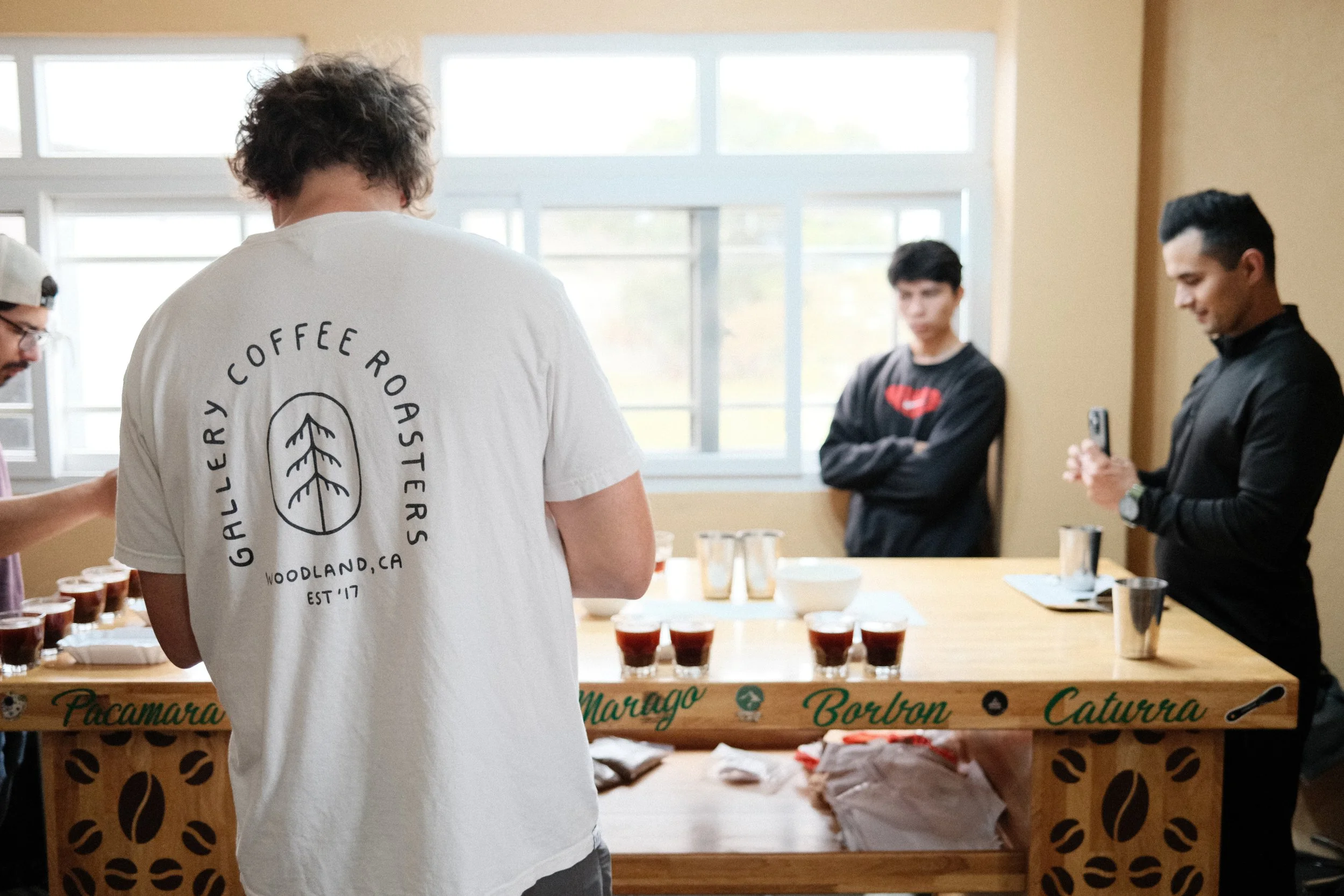
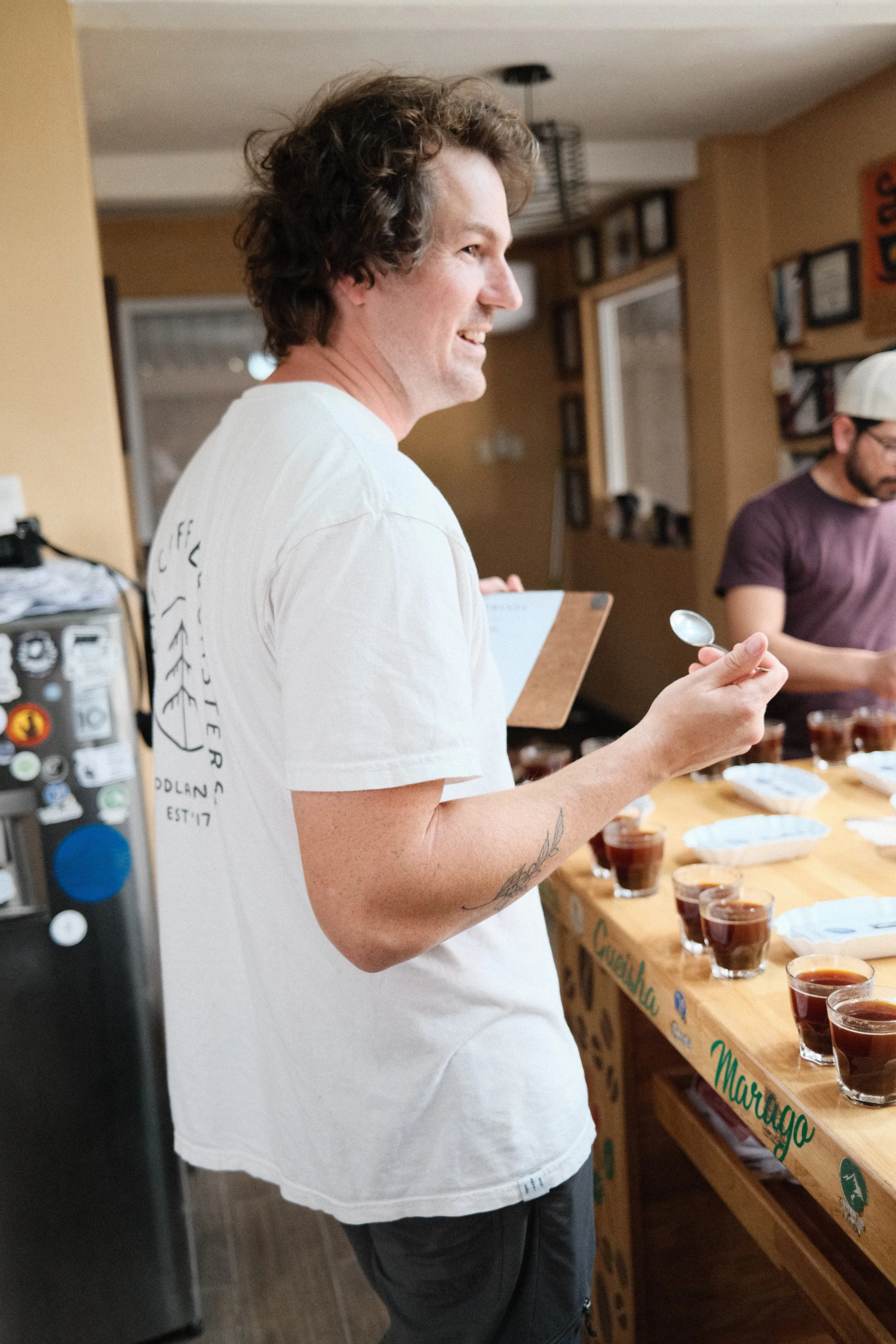
Have we ever been so excited to cup coffee? Nope. Ben was simply giddy while Jenner, Rodin’s brother and head of QC, prepped our cupping at the Lab upstairs. With a spacious, high table, windows offering panoramic views of the blooming countryside beyond, and 1970s pop humming from a Bluetooth speaker in the corner, the space felt wildly familiar to one we would experience at home.
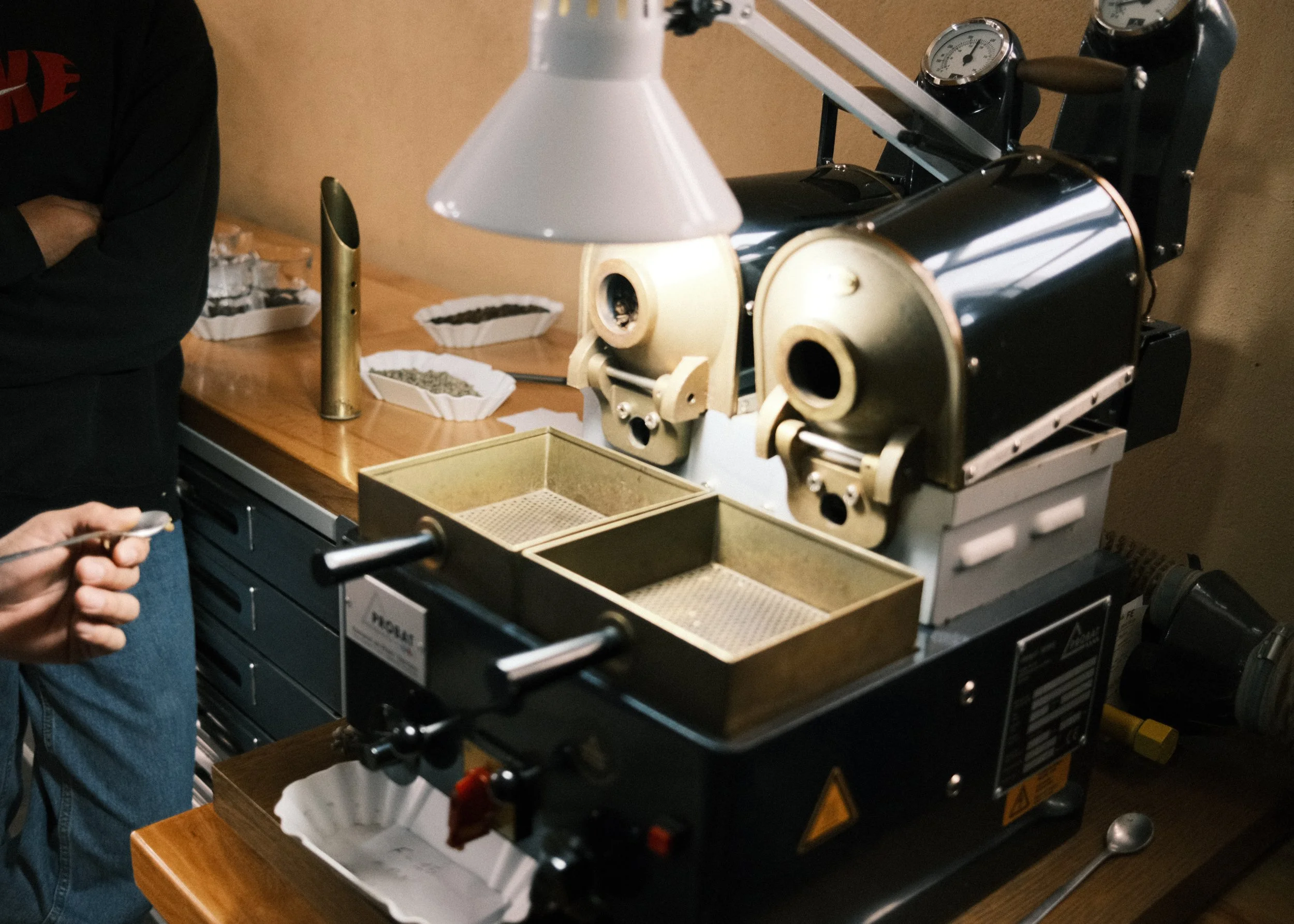
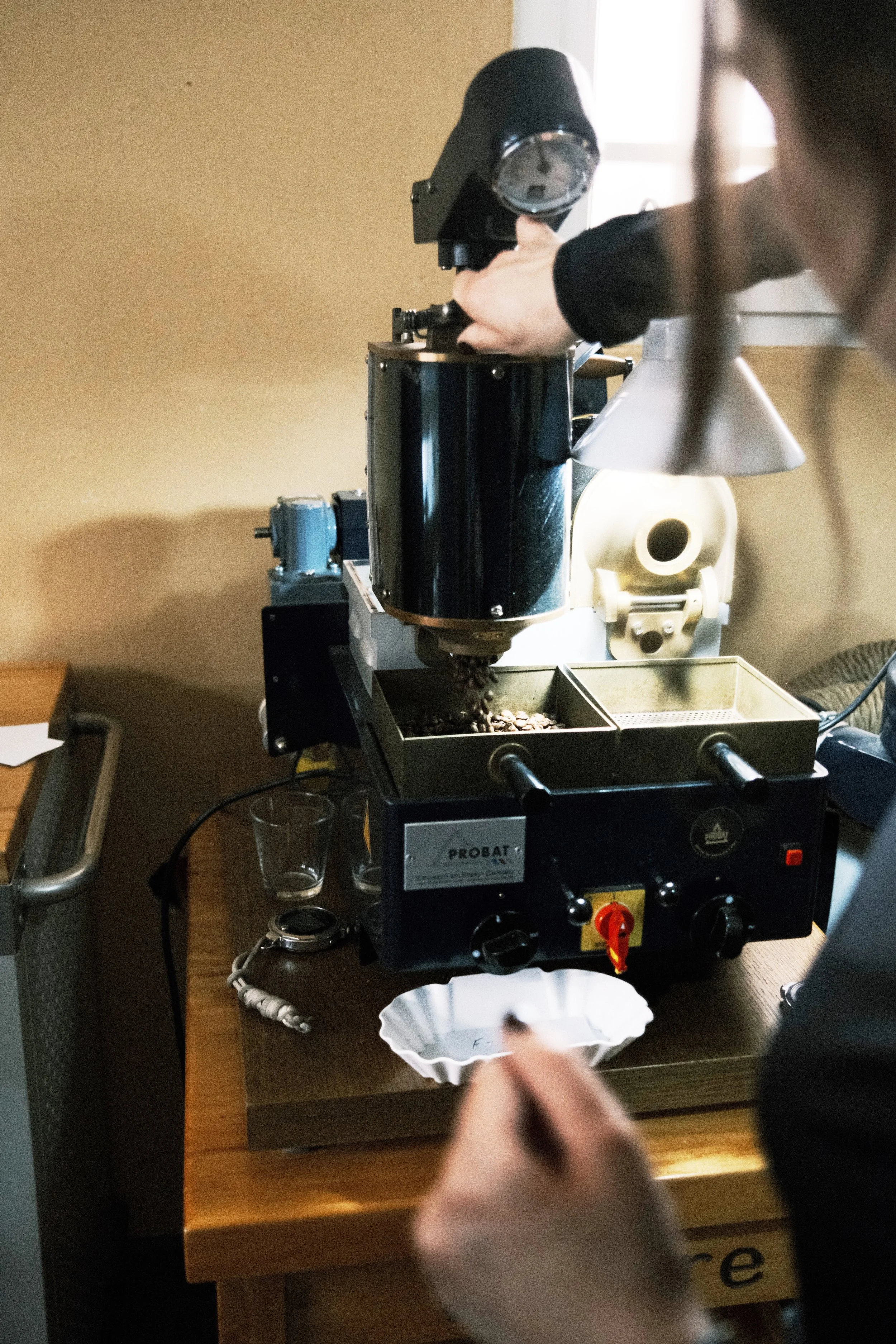
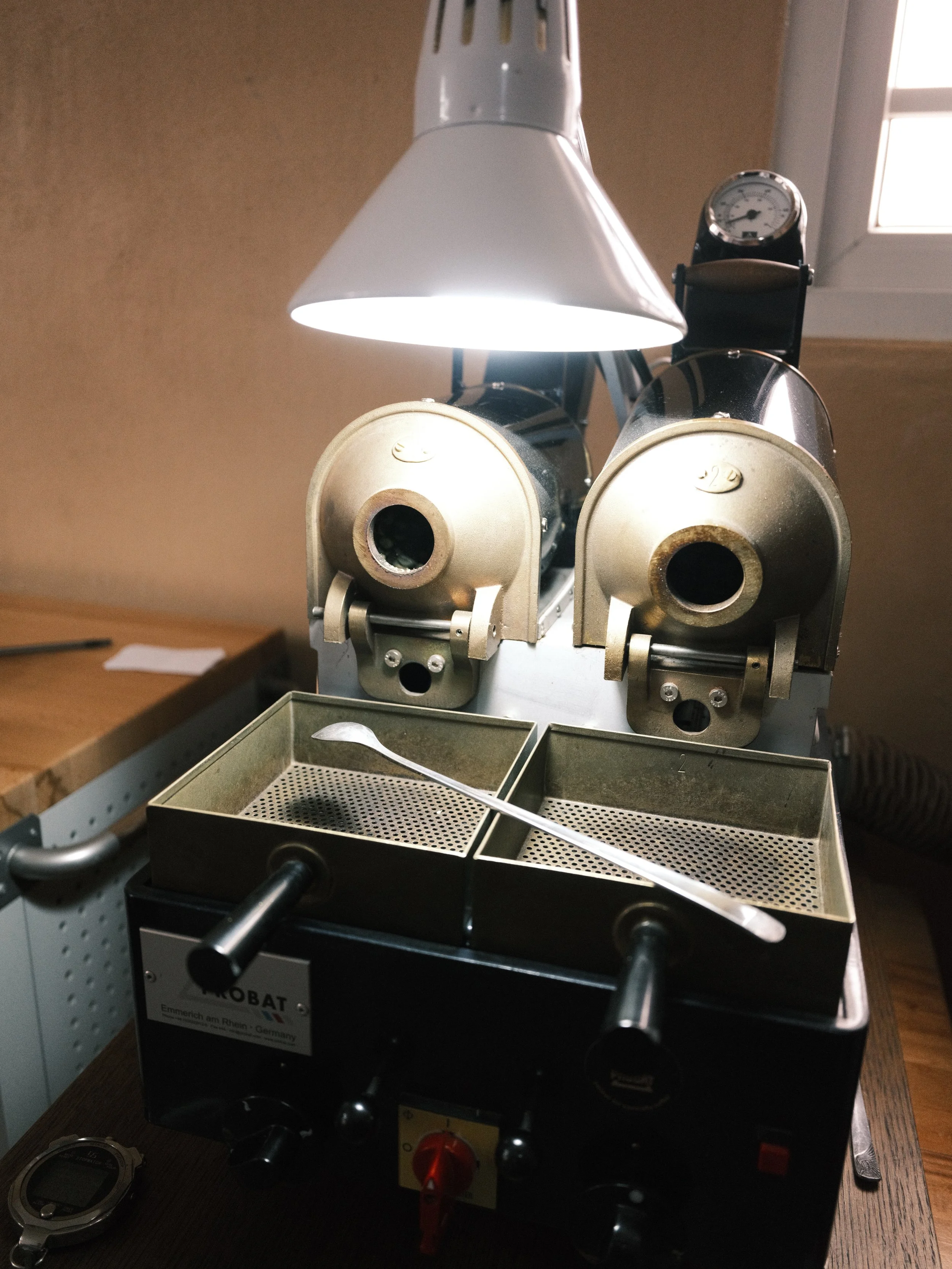
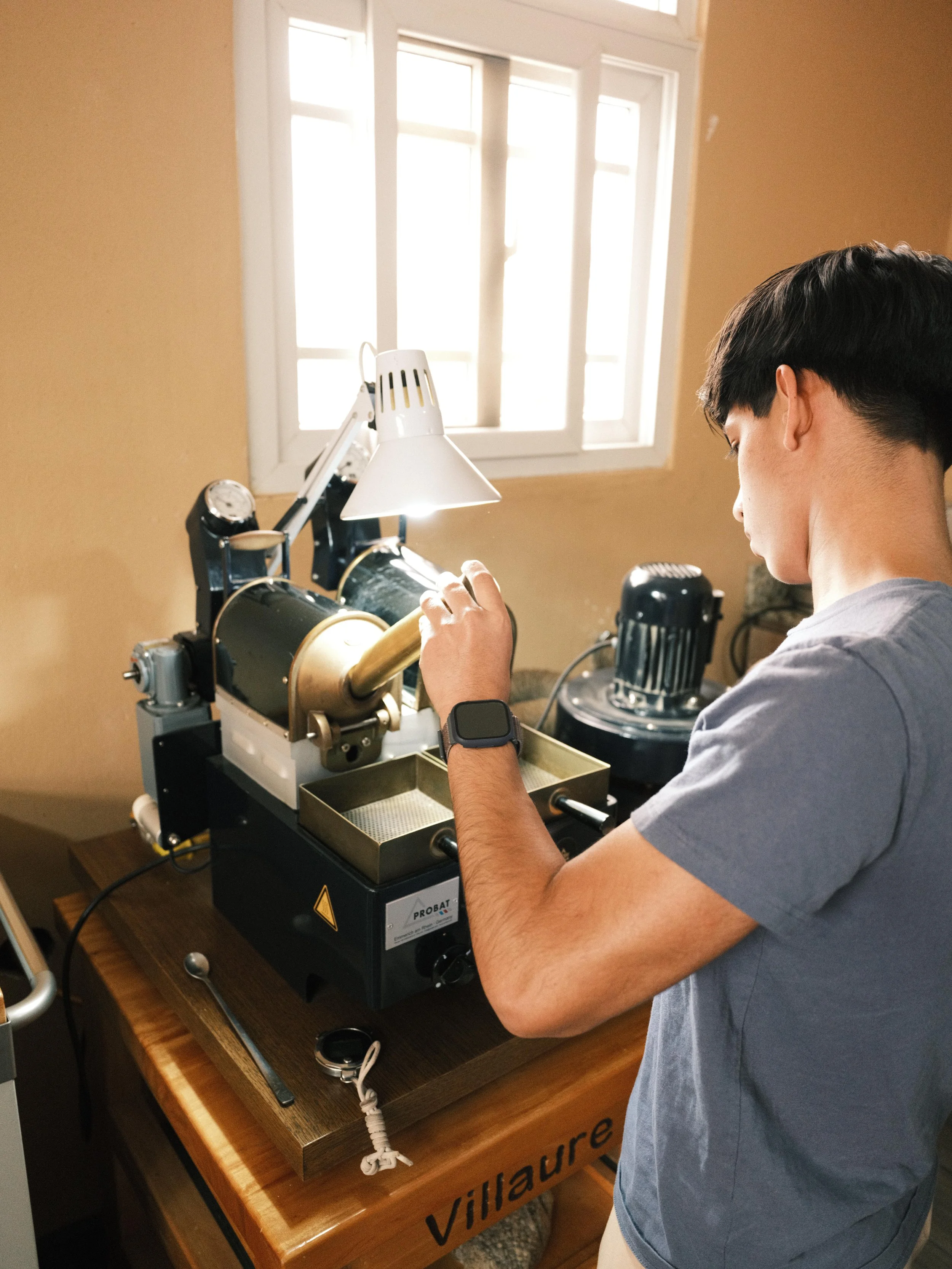
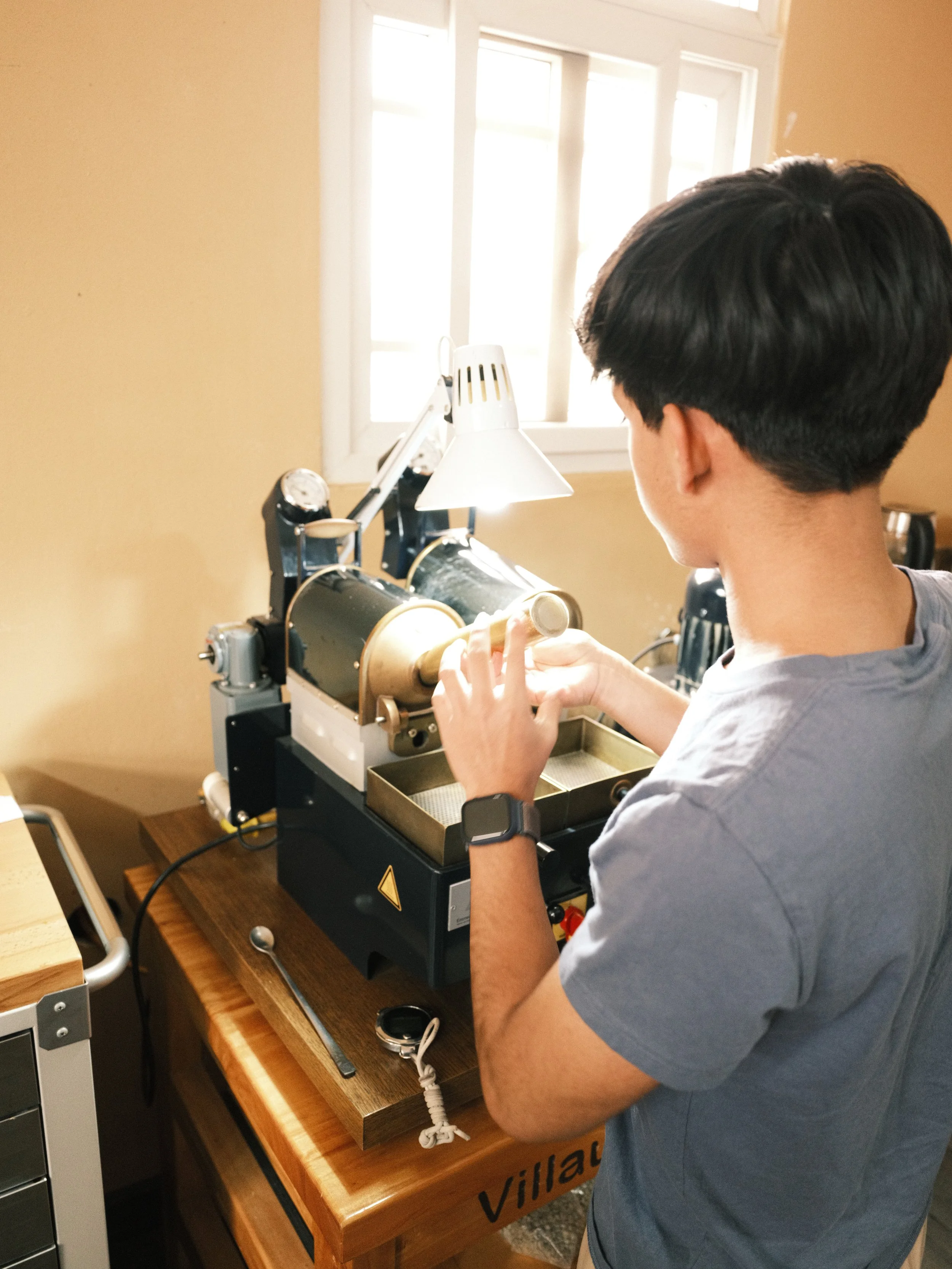
Rodin’s nephew, Jonathan, roasted all of our samples — with the roasting dexterity of someone twice his age. His handle on the Probat was mesmerizing, talking us through tiny adjustments that he inherently knows through sight, scent, and sound.
Each sample on the table was a recent harvest from 2026 – meaning these coffees were only a few days off processing, which is absolutely insane. We’ve never cupped coffees this fresh. Between harvest, processing, and the sheer amount of travel required to get coffee into the United States, we’re typically cupping coffees a few months out.
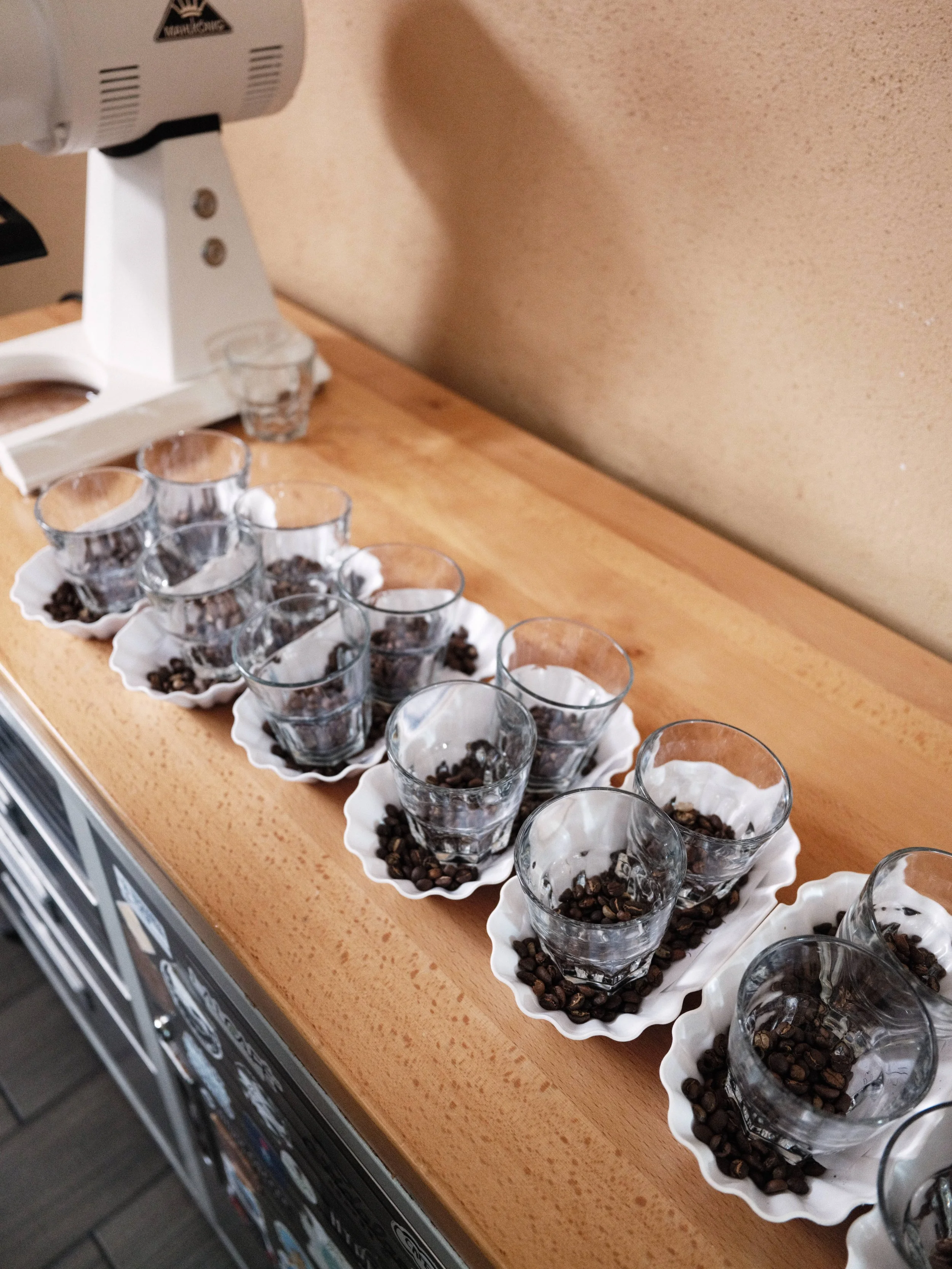
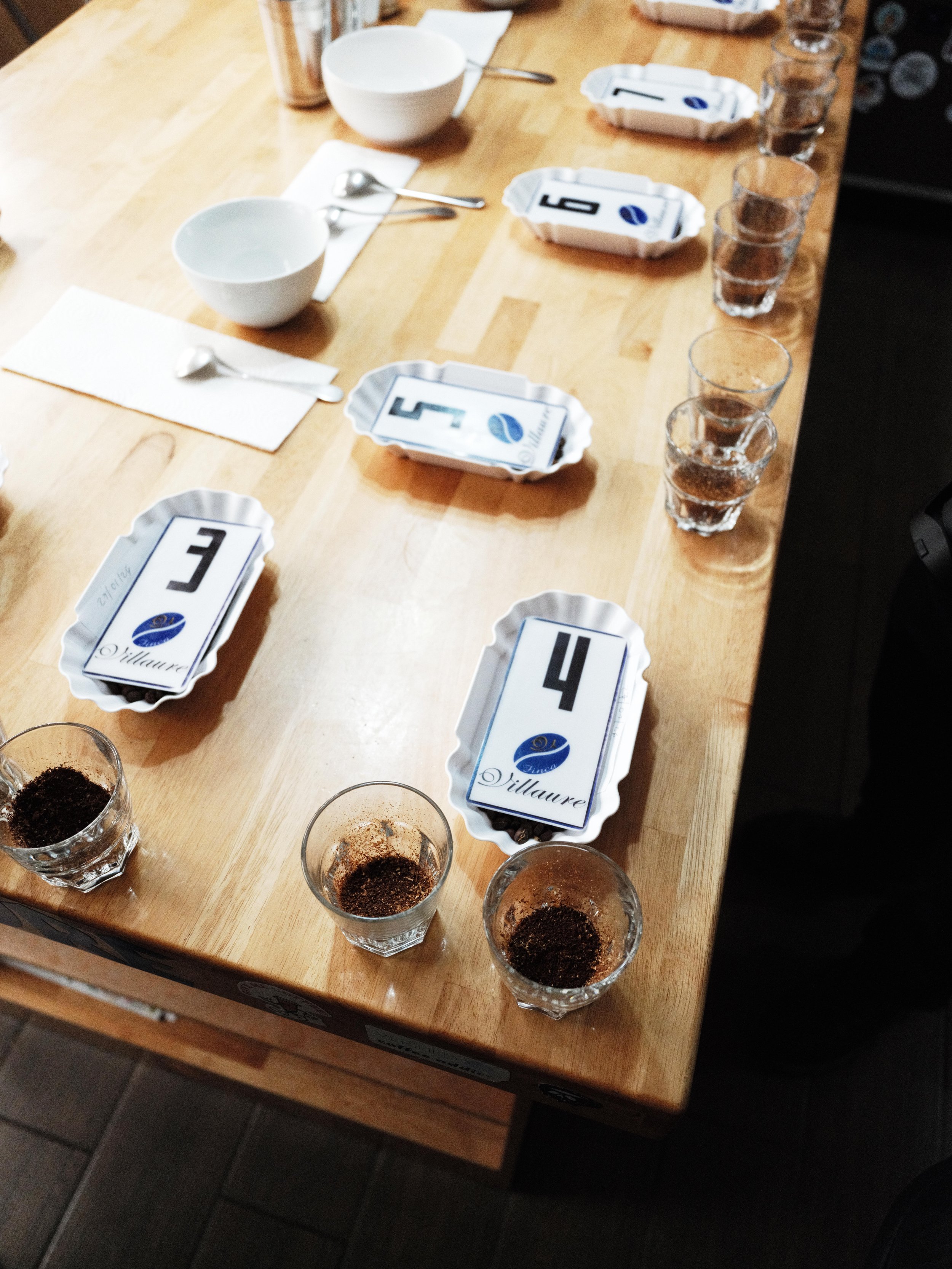
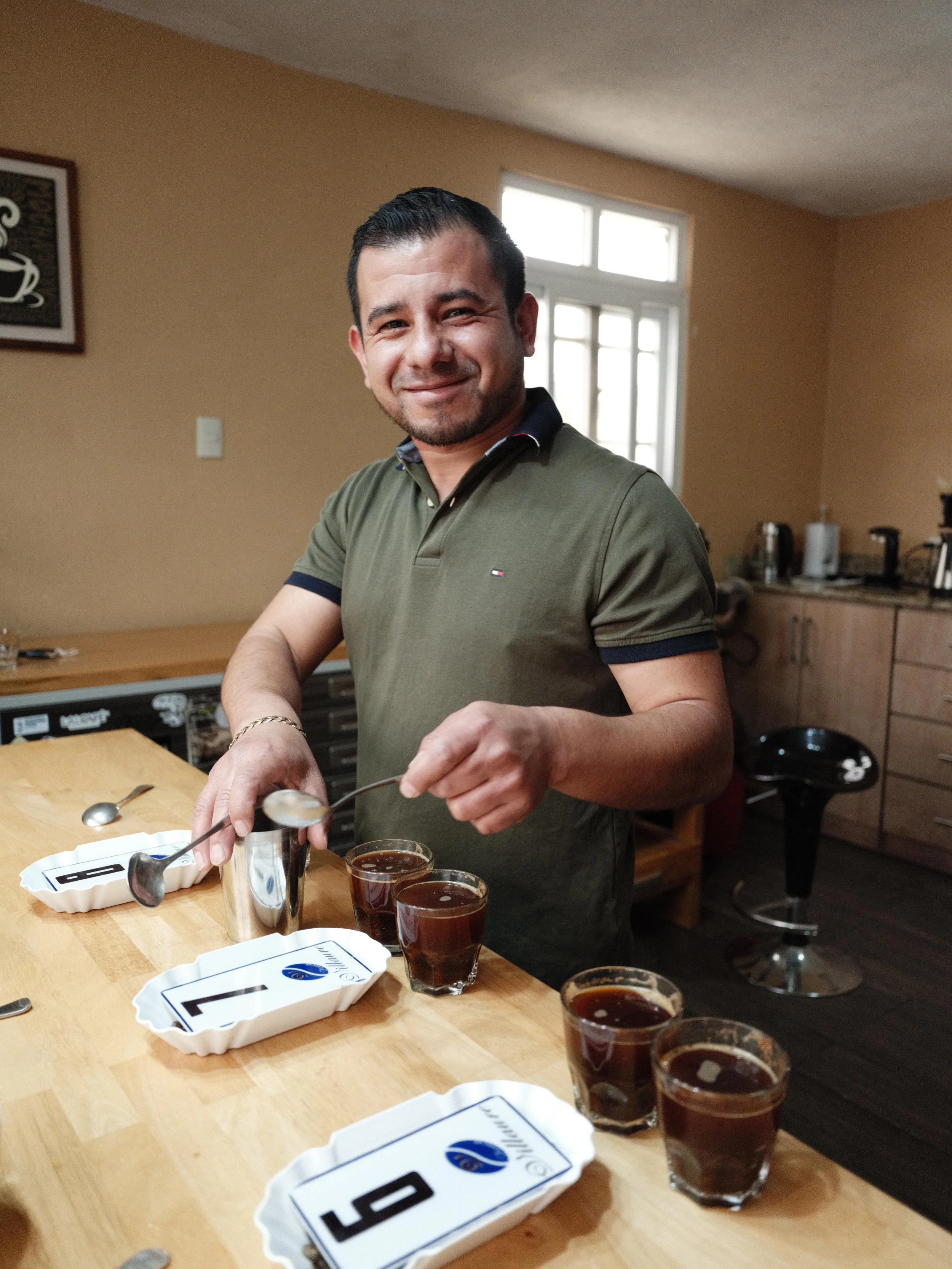
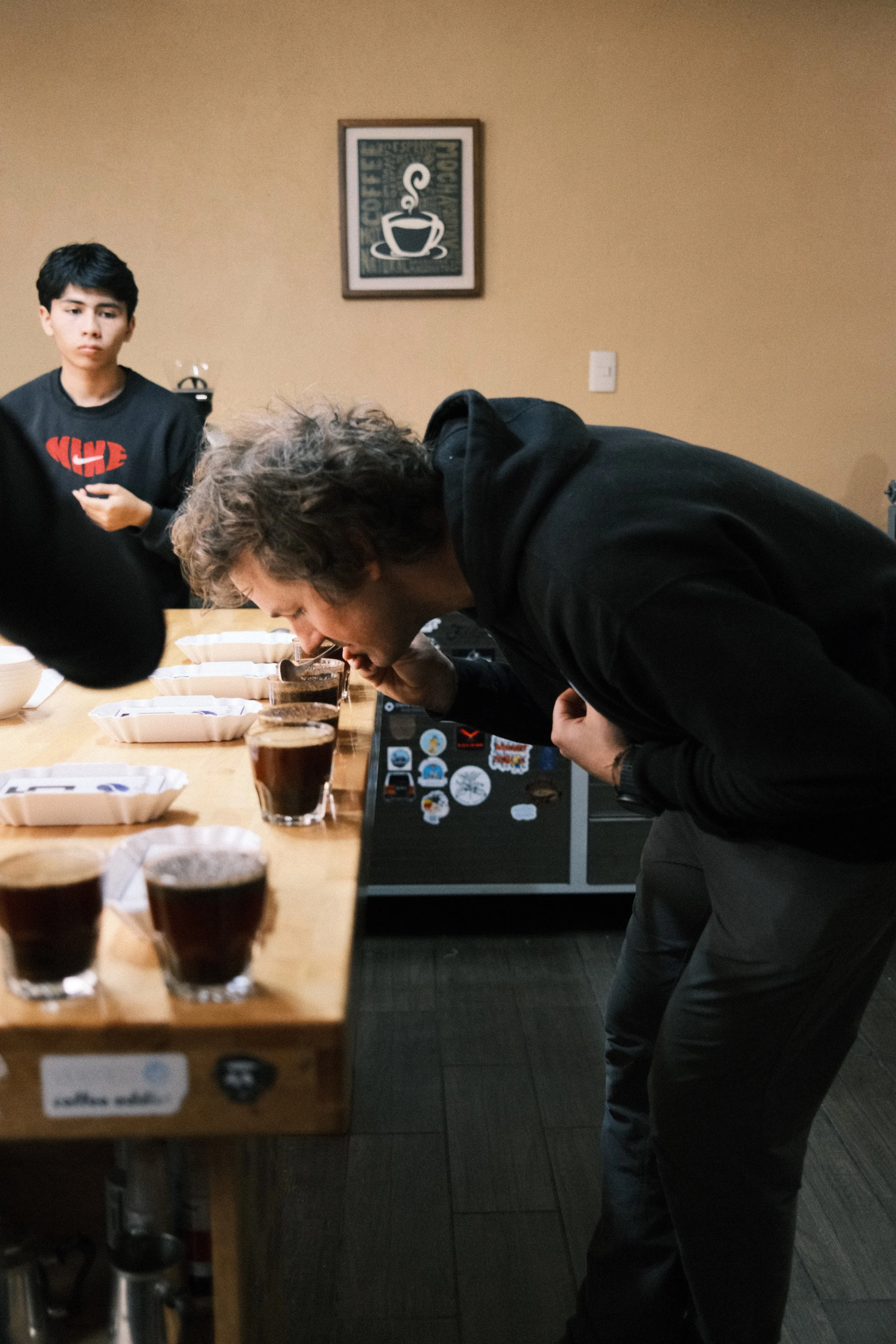
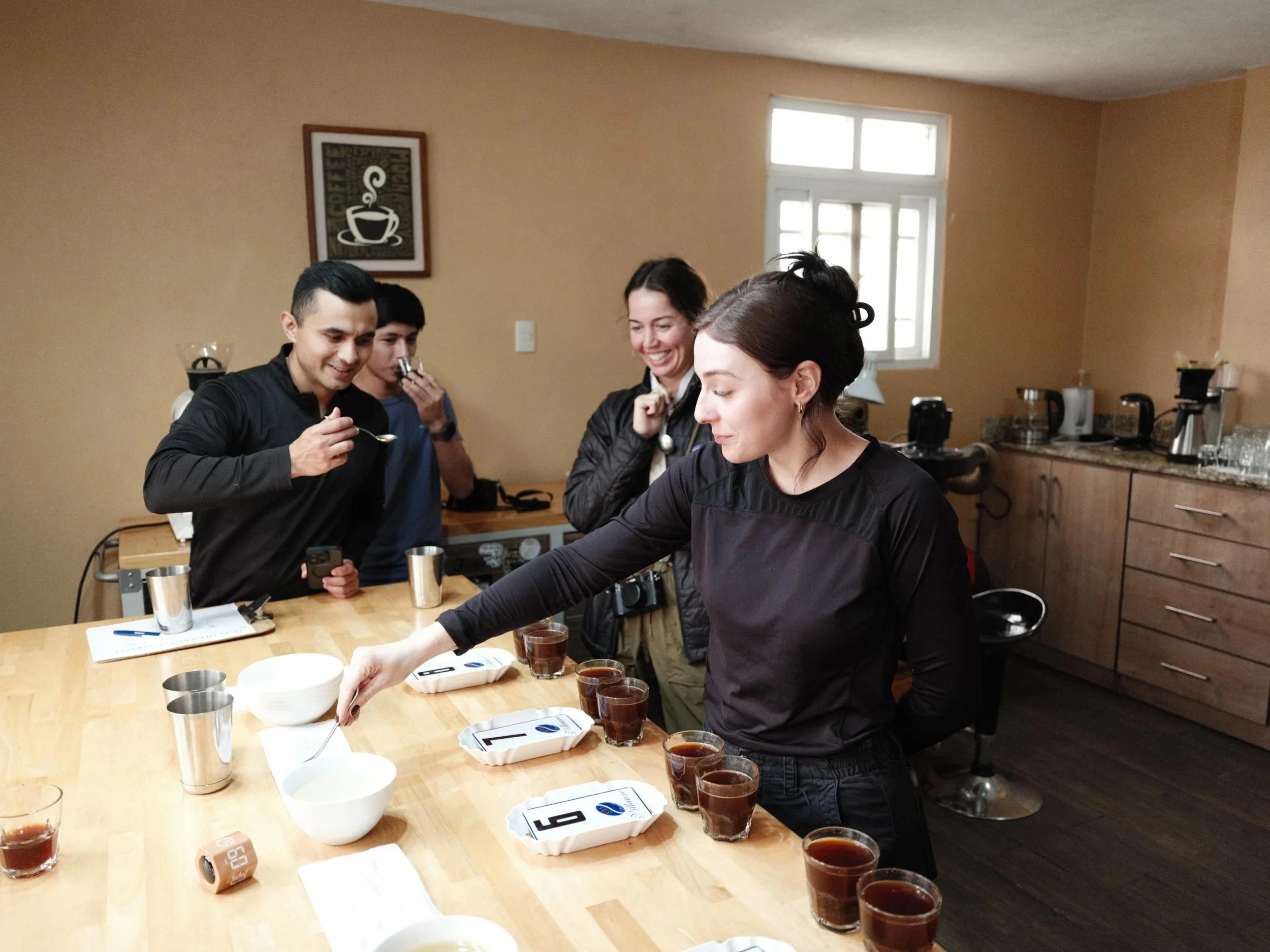
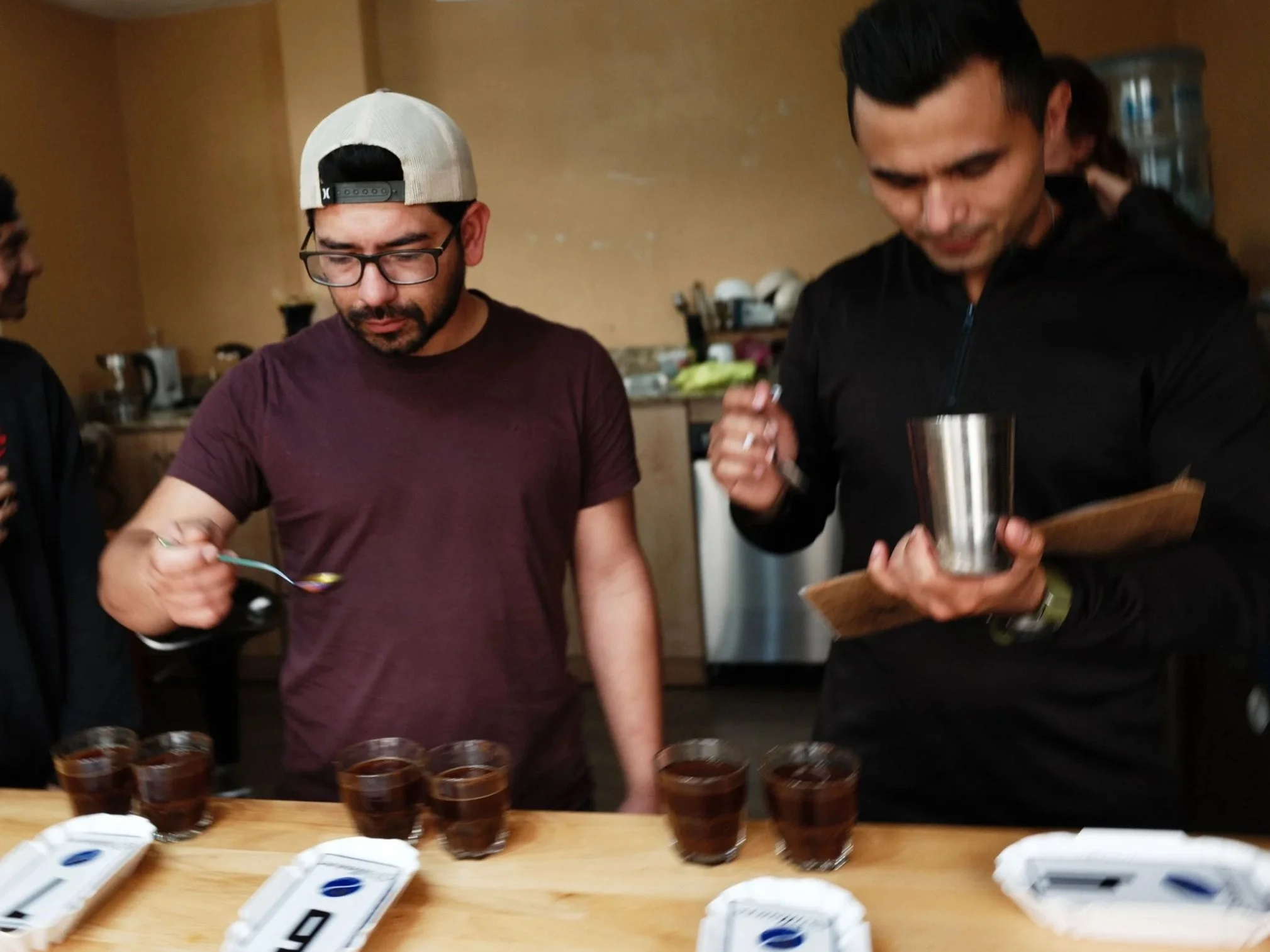
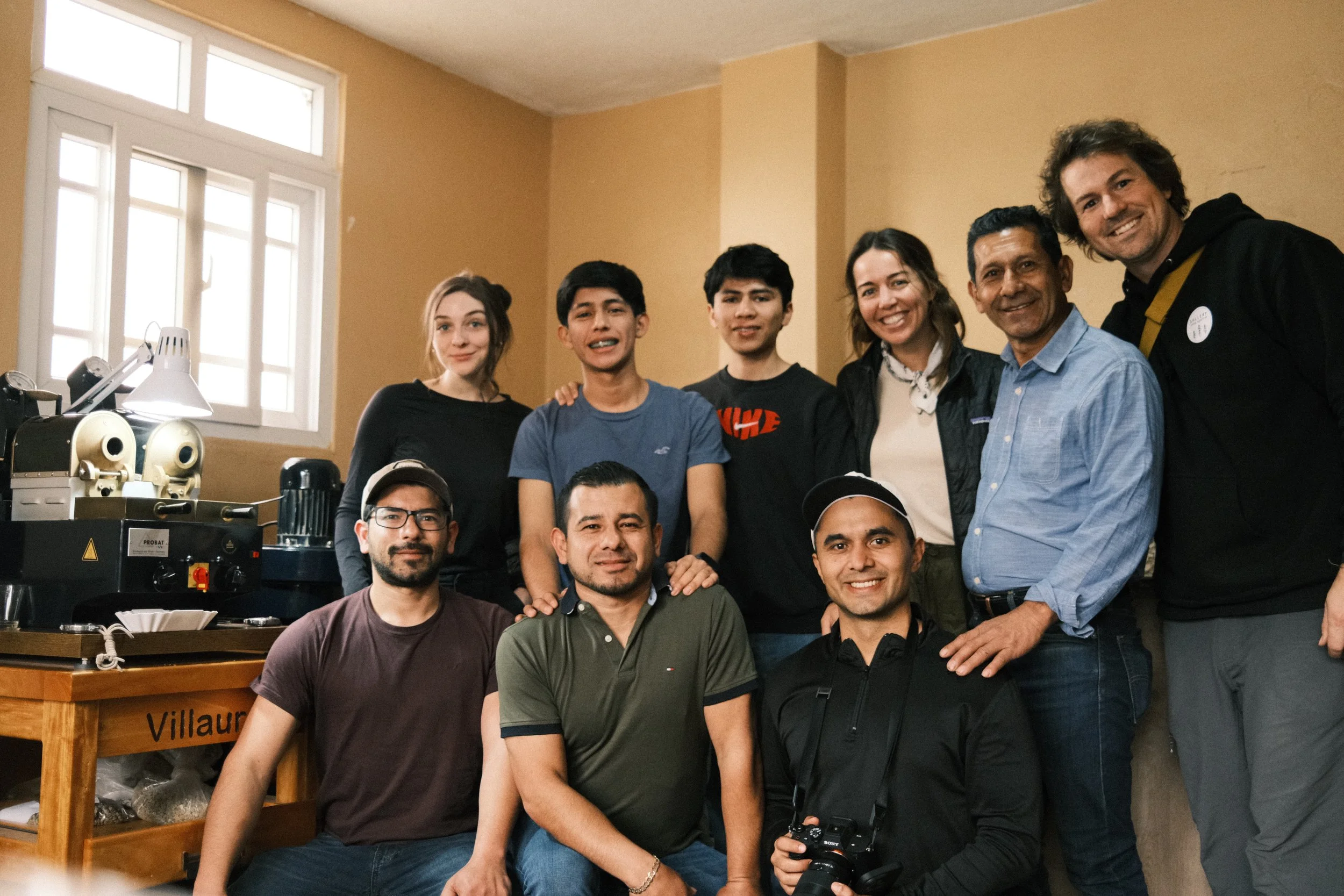
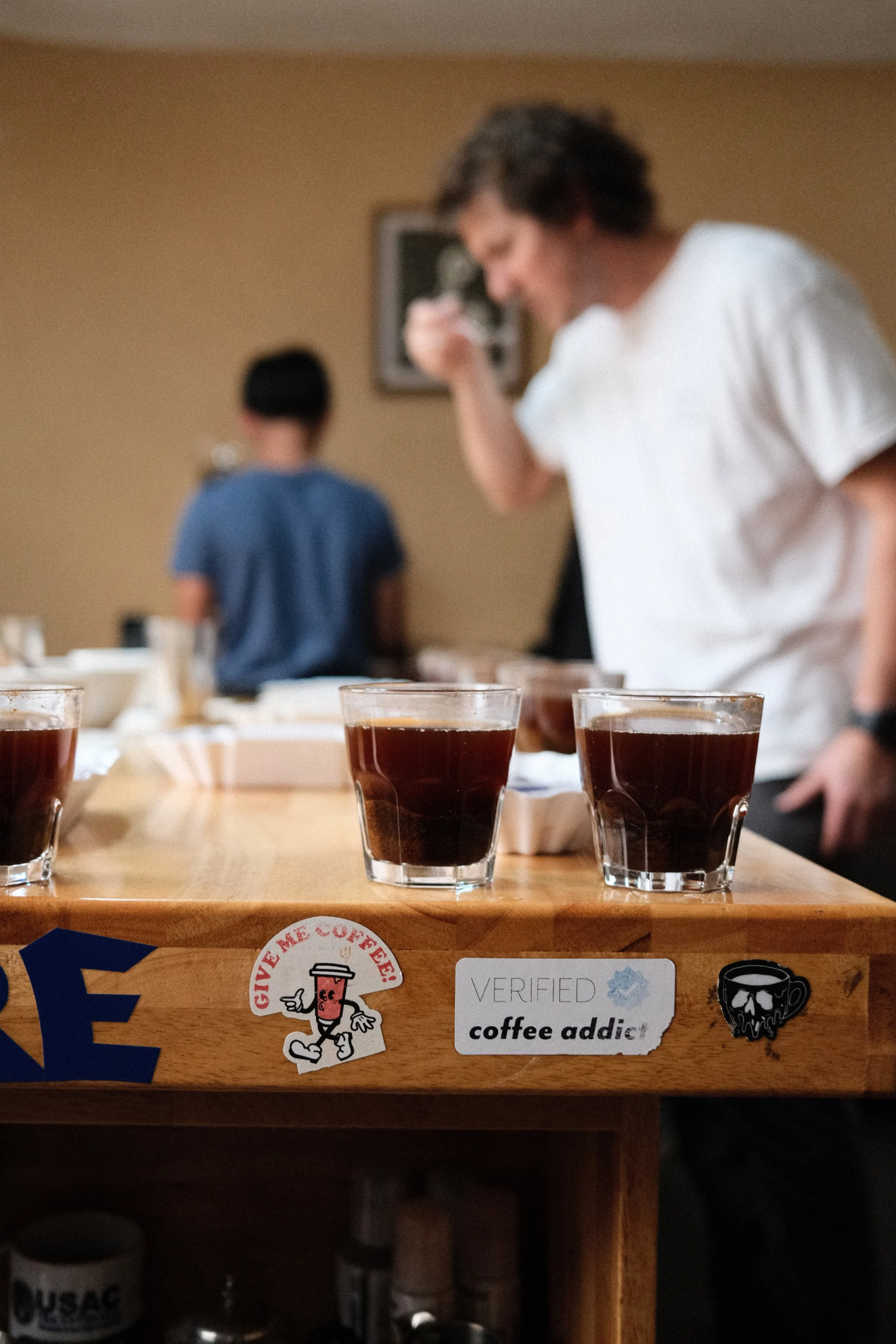
OFF THE PAGE MOMENT: We had everything from a double fermented natural, to a clean, washed process on the table and, wow, did these coffees shine. Our two favorites were 1) a bright, cherry, washed process from the Guayabales lot and 2) a tangy double fermented, experimental process from Punta Del Cerro.
Does that Guayabales lot sound familiar? This cup was the 2026 version of our beloved Pedro Villatoro coffee. It’s incredibly exciting to have a top contender on the table be an existing Gallery coffee, that always helps reinforce our gut instinct when purchasing coffees and refuels our excitement for launches to come.
Once the cupping wrapped, we barrelled downstairs for a street taco delivery. The family set up a dropdown table, complete with a white linen tablecloth, styrofoam plates, and the world’s best horchata. Once again…it felt like home. A crowd quickly gathered to pull up a chair, joke about incessant “pings” from someone’s cell phone at the table, and hummed along to pop melodies we all knew the words to. Despite peak harvest and all of the work to be done, everyone took a moment to pause, connect, and fuel up. It was a beautiful thing.
Spend ten minutes with the Villatoros and it’s obvious that community is the cornerstone of this enterprise. This family has been farming, processing, and sipping coffee for generations and even their workers are an extension of that familial base. Adjustments, practices, intuition, and – to put it simply – love, play a huge role in how they operate. We were already smitten with the Villatoros… and we hadn’t even made it to the farms, yet.
TAKE HOME GUAYABALES + MORE ON THE WAY
Our Guayabales coffee from Pedro Villatoro is available now at the shop (tap here to shop online) — bright and clean, with notes of almond, pomegranate, and tart cherry.
And stay tuned for part two of our three-part Guatemala coffee origin series with the Villatoros, where we take a three-hour drive through the highlands of Huehuetenago to land at our first farm visit, Punta Del Cerro.